Color range
Approved samples defined the acceptable color and flow behavior.
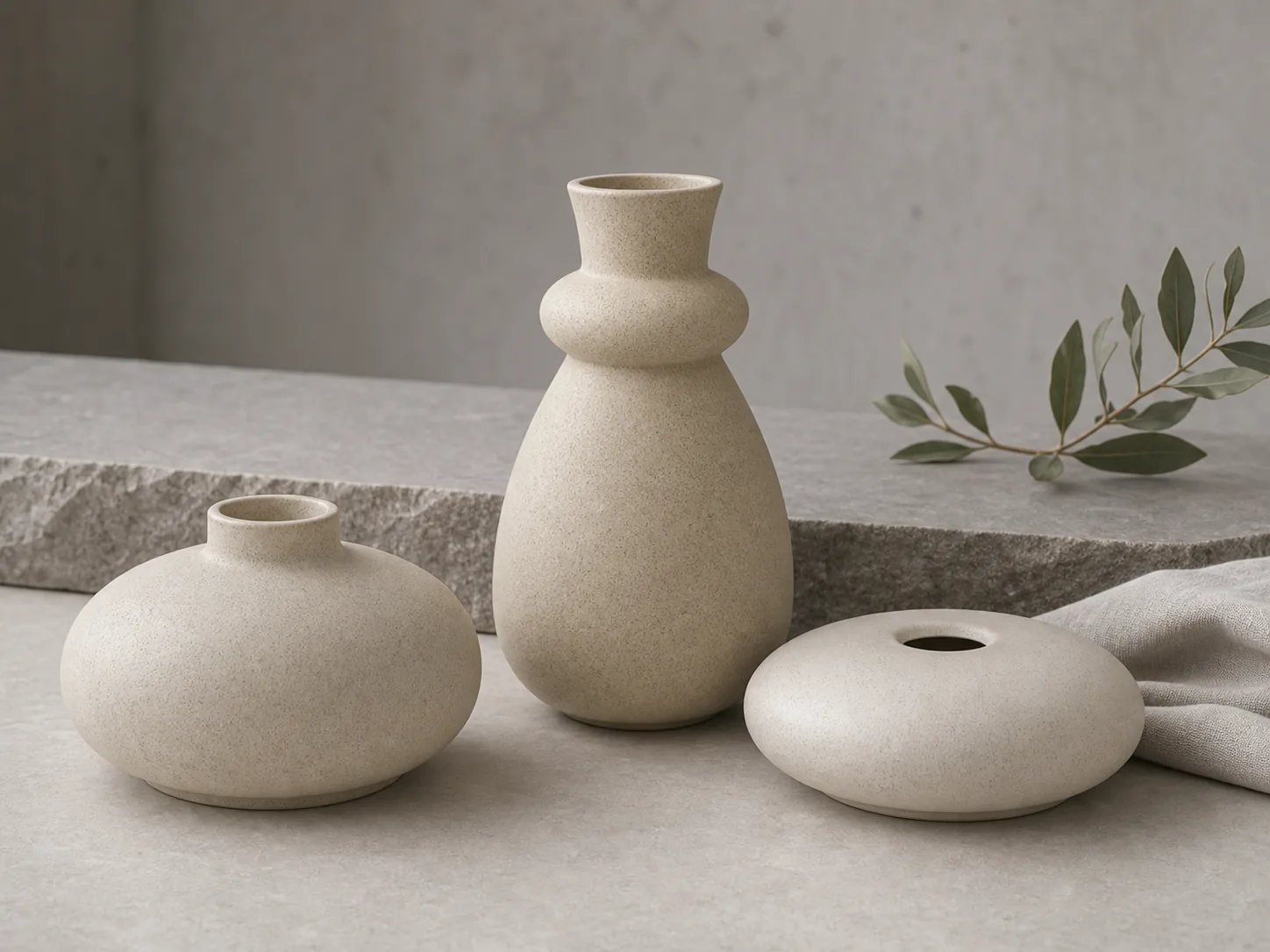
Anonymized case study
A project example focused on color variation, approval standards, and export production control.
Buyer need
The buyer wanted stoneware dinnerware with a rich reactive glaze finish. The main challenge was defining natural variation clearly enough for sampling, production, inspection, and repeat order discussions.
CLAYPORT helped frame the project around approved samples, color range, surface behavior, stacking, packing, and quality notes instead of treating every piece as visually identical.
Approval standards
Approved samples defined the acceptable color and flow behavior.
The buyer reviewed gloss, texture, rim behavior, and food presentation.
Stacking and carton protection were checked for heavier stoneware pieces.
Sample photos and production notes supported future repeat discussions.
Related buyer guidance
Separate natural ceramic movement from defects that should trigger corrective action.
Compare material direction against profile, surface, handling, and commercial use.
Record an approval package that production and inspection teams can use consistently.
Reactive glaze project
We can review material, shape, glaze behavior, acceptable variation, packing, and export route.