Sample range
Review several pieces so color movement, speckle density and edge behavior are visible.
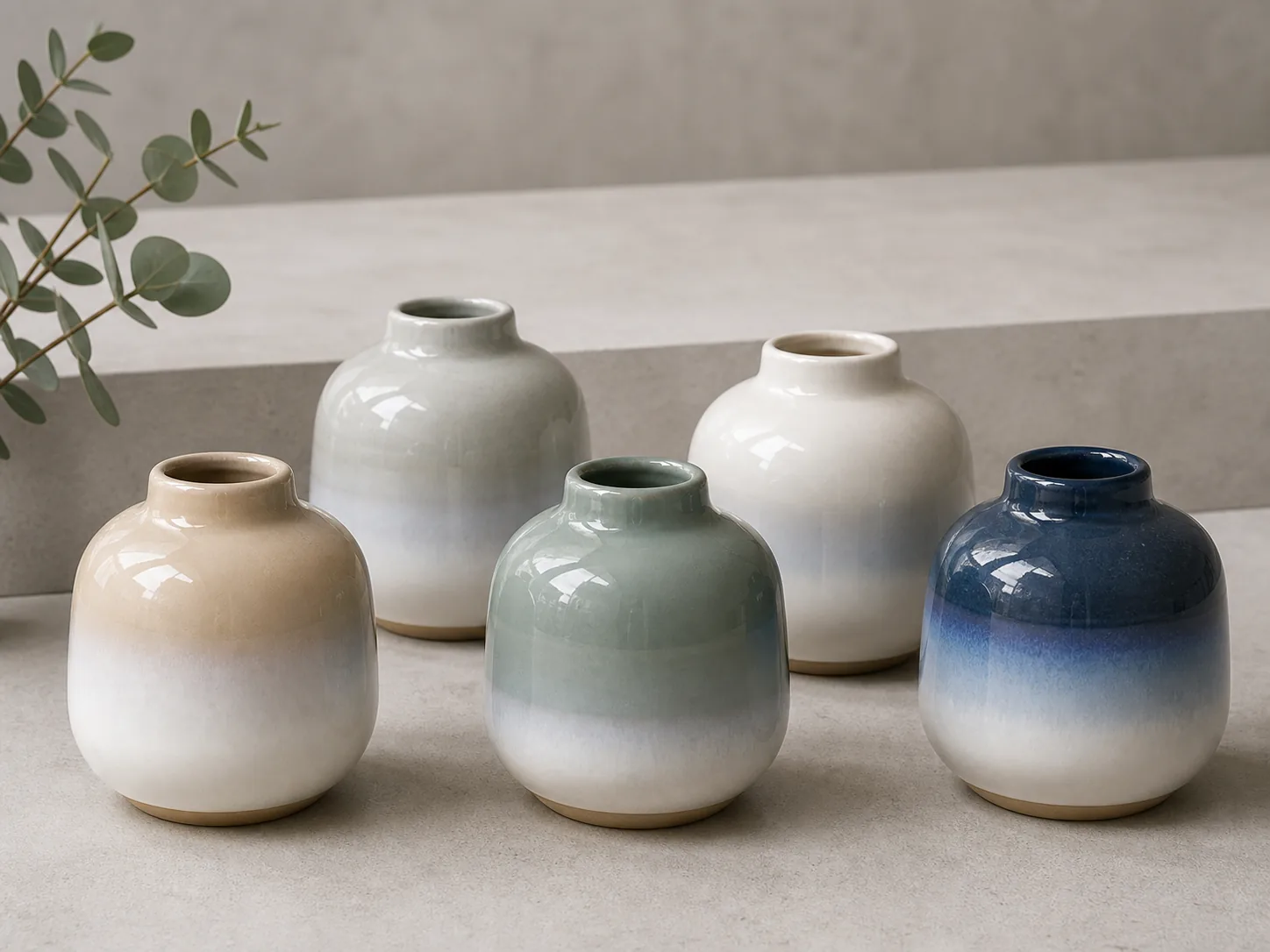
Glaze control
Reactive glaze is beautiful because it moves, but buyers still need clear approval standards before bulk ceramic production.
Control method
Review several pieces so color movement, speckle density and edge behavior are visible.
Define what is acceptable variation and what becomes a reject, especially on food surfaces.
Keep approved samples, photos and notes for repeat orders and future quality review.
Inspection focus
Variation sources
Reactive glaze changes with glaze thickness, application method, body color, kiln atmosphere, firing curve and kiln position. The goal is not identical pieces; it is a controlled commercial range with clear rejection boundaries.
| Production variable | Possible visual effect | Control evidence |
|---|---|---|
| Glaze application | Differences in flow, pooling, opacity, speckle density and exposed edges. | Application instruction, weight or thickness reference, and approved sample range. |
| Body and bisque | Body tone and absorption can change the final color and glaze response. | Confirmed body recipe and production lot identification. |
| Firing program | Heatwork and atmosphere can shift color, gloss and crystal development. | Controlled firing route and review of pieces from more than one kiln position. |
| Shape geometry | Rims, vertical walls and recesses can show different glaze movement. | Approval by SKU, not one flat glaze tile for an entire collection. |
| Decoration and logo | Decals or marks may lose contrast over variable or textured surfaces. | Approve artwork on the actual glaze and define placement tolerance. |
Inspection standard
An approved range should show light, target and dark examples, plus acceptable rim and pooling behavior. Inspection should then separate appearance grading from functional defects such as cracks, sharp points, unstable bases, glaze contamination on critical surfaces or defects that affect food-contact use.
For coordinated sets, define whether pieces will be packed randomly, visually grouped or matched within each retail set. Keep retained samples and dated photographs for repeat orders so a future production run is compared with an agreed range rather than memory.
Review the reactive glaze dinnerware case study, the custom glaze development page, and the golden sample guide.
Buyer questions