Refined and versatile
Often selected for clean white bodies, lighter visual presentation, retail sets and hotel table settings.
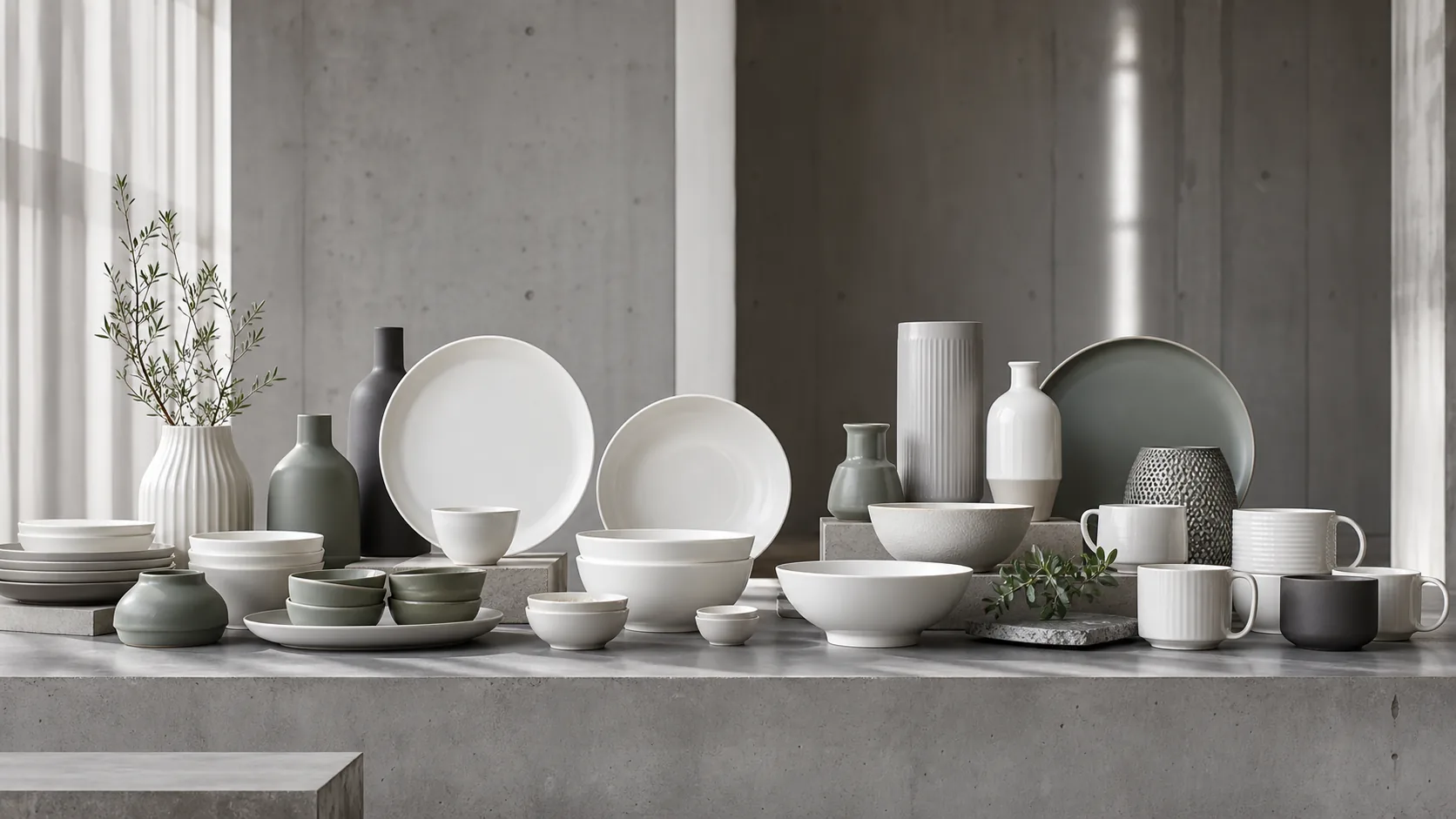
Material guide
Choose the ceramic body around product style, daily use, price target, packaging and buyer channel.
Decision points
Often selected for clean white bodies, lighter visual presentation, retail sets and hotel table settings.
Often chosen for reactive glaze, matte surfaces, earthy colors and lifestyle dinnerware collections.
MOQ, decoration, packing and price target should be reviewed before locking the material route.
Buyer checklist
Material comparison
Porcelain and stoneware are broad ceramic families. Body recipes, firing programs and glaze systems differ by factory, so buyers should approve measurable requirements on the actual product rather than relying on a label alone.
| Decision point | Porcelain direction | Stoneware direction | What the buyer should verify |
|---|---|---|---|
| Visual character | Usually a whiter, cleaner body with a refined profile. | Often warmer in tone, heavier in appearance and suited to tactile finishes. | Approve body color, glaze coverage and the finished set under normal lighting. |
| Weight and profile | Can support visually lighter forms, depending on shape and strength target. | Often used for thicker rims, organic profiles and substantial hand feel. | Record item weight, rim profile, foot ring and stacking height on the golden sample. |
| Surface options | Works well with clear, colored, decal and hospitality-oriented finishes. | Frequently selected for matte, speckled and reactive glaze programs. | Review food-contact surfaces, cutlery marking risk, glaze variation and logo compatibility. |
| Performance | Durability depends on body formulation, forming, firing, glaze fit and product geometry, not material name alone. | Specify water absorption, dishwasher or microwave needs, impact expectations and destination-market tests where applicable. | |
| Commercial fit | Common for hotel, retail and coordinated white or decorated sets. | Common for lifestyle, casual dining and glaze-led collections. | Compare landed cost, packing density, replacement needs and repeat-order consistency. |
Approval file
A useful comparison uses the same or similar item in both material routes. Review weight, dimensions, stacking, rim behavior, glaze fit and packing together. A material decision made from one color chip cannot show how a full plate or bowl will perform.
For hospitality or repeat programs, keep the approved sample, specification sheet and test requirements linked to the SKU. If the body recipe, kiln route or glaze system changes, the supplier should flag the change before the next production run.
Explore the porcelain dinnerware production route, compare ceramic plate options, and review the golden sample approval guide.
Buyer questions