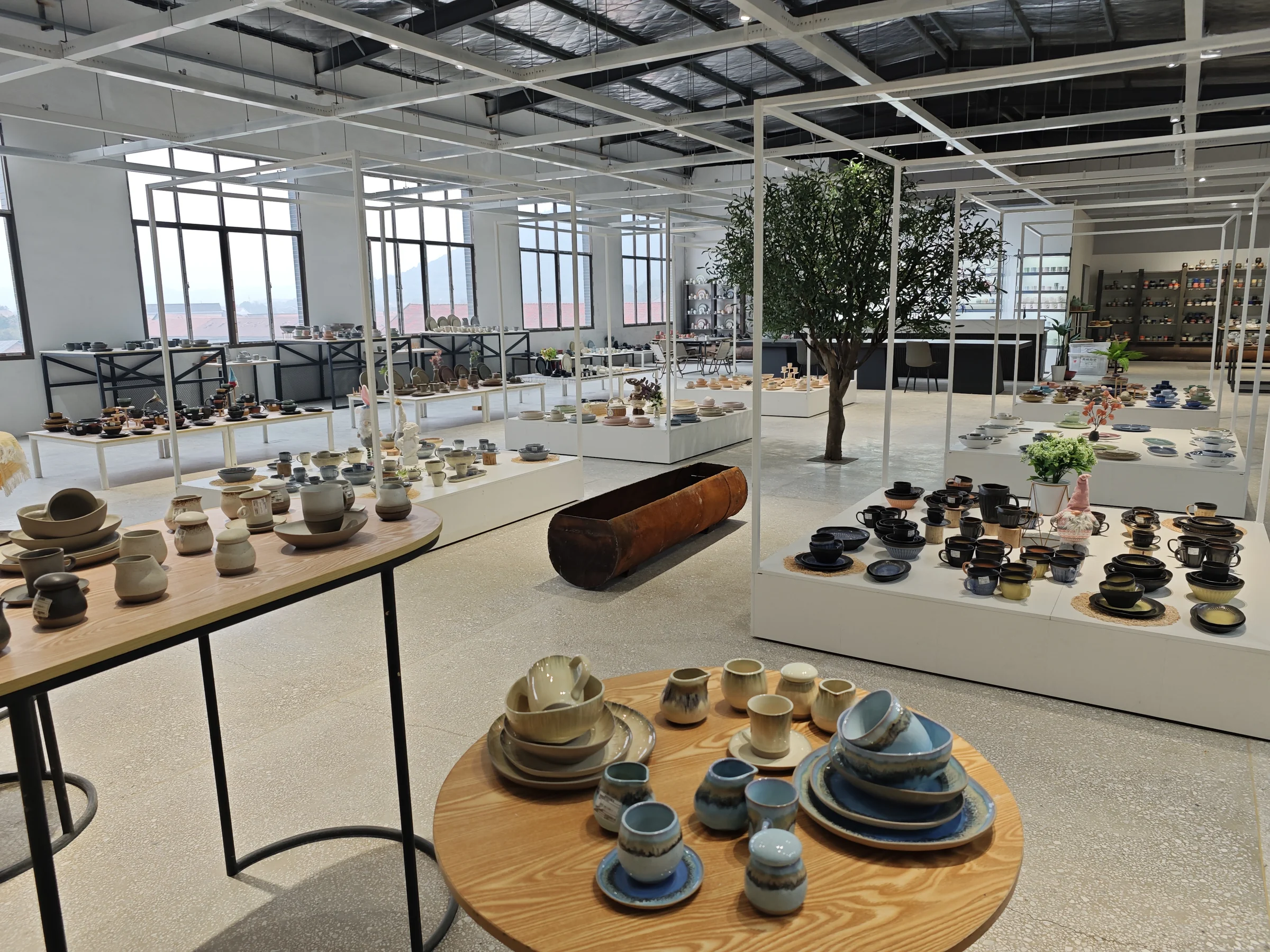
No publicly verified, specialized Liling-based supplier of wholesale stoneware mugs for retail programs is documented in current audited, publicly available supplier records. This does not mean capable manufacturers are absent from the Liling ceramic cluster — it means buyers cannot rely on unvetted third-party directory listings to identify partners that meet retail, private label, hospitality, or gifting program requirements. The practical path to a reliable supplier is not to chase a pre-published list of factory names, but to apply a consistent, evidence-based qualification process to shortlisted Liling ceramic producers, aligned with the specific needs of retail stoneware mug programs.
Core Qualification Criteria for Liling Stoneware Mug Suppliers
When shortlisting suppliers, the first filter is documented capability, not assumed location benefit. For stoneware mugs built for retail, three non-negotiable capability checks apply. First, material and finish alignment: Retail stoneware mugs require consistent glaze performance, food-safe compliance, and durable surface finishes that hold up to repeated commercial dishwasher use. Documented finish options including matte, glossy, and reactive glaze, with defined acceptable color variation ranges approved during sample sign-off, reduce the risk of bulk production mismatches that lead to retail shelf returns. Second, customization flexibility: Private label and retail programs require the ability to adapt mug shapes, place custom decals or logos, and match brand color standards across production runs. Suppliers that support shape adaptation, glaze direction, decal artwork, logo placement, and buyer specification packs are better positioned to align with branded retail requirements than producers that only offer off-the-shelf mug designs. Third, retail-ready packaging: Unlike bulk foodservice purchases, retail stoneware mugs require packaging that protects fragile ceramic during export, displays well on store shelves, and includes compliant labeling for target markets. Suppliers that offer retail boxes, export cartons, and planned protection for fragile ceramic products, with clear guidance on carton marks and container loading, eliminate the need for buyers to source separate packaging vendors mid-program.
Step-by-Step Supplier Shortlisting Process for Liling Programs
A structured, repeatable shortlisting process removes bias and reduces the risk of partnering with a supplier that cannot deliver on program requirements. Follow these steps to build a reliable shortlist:
- Compile a longlist of Liling ceramic producers from public trade directory listings, cluster association records, and verified trade show exhibitor lists, filtering for producers that list drinkware or tableware as a core product category. Exclude producers that only list decorative vases, planters, or architectural ceramic products, as these rarely have the food-safe production lines required for stoneware mugs.
- Send a standardized RFQ to every longlisted supplier, using a consistent checklist to eliminate apples-to-oranges comparisons. The RFQ should include shape reference, technical drawings or reference photos, required dimensions, material and glaze direction, logo customization needs, packaging preferences, target order volume, and delivery timeline. This structured approach ensures every supplier quotes against the same set of requirements, rather than offering generic off-the-shelf pricing.
- Request documented proof of capability for every requirement listed in the RFQ, including past production samples of stoneware mugs, food safety compliance documentation for target markets, packaging samples for retail display, and references from other retail or private label buyers. Reject any supplier that cannot provide verifiable evidence of producing the specific product type, as directory listings often overstate production scope.
- Evaluate sample submissions against a fixed set of quality benchmarks: wall thickness, handle stability, glaze consistency, dishwasher durability, and packaging fit. Compare samples from all shortlisted suppliers using the same evaluation sheet, weighing sample quality, minimum order quantity fit, and total landed cost rather than relying solely on quoted unit price.
- Conduct a virtual or on-site production audit for the final 1-2 selected suppliers, to confirm that production capacity, quality control processes, and export documentation capabilities match the claims made during the RFQ stage. This step is critical for Liling-based producers, as many small workshops operate without dedicated export teams, leading to unexpected delays or compliance issues for international buyers.
Common Missteps to Avoid When Sourcing in Liling
Even experienced buyers can make avoidable mistakes when sourcing ceramic products from the Liling cluster. First, overreliance on cluster reputation: Liling is known for high-volume ceramic production, but cluster reputation does not translate to consistent quality for every product category. Many small workshops in the cluster shift production between product lines based on order volume, which can lead to unplanned quality shifts if a buyer does not lock in production specifications in writing. Second, prioritizing unit price over total program cost: A supplier offering a lower per-unit price may lack retail-ready packaging, require higher minimum order quantities, or have higher defect rates, leading to higher total landed cost when accounting for shipping, returns, and rework. Third, skipping sample tolerance documentation: Stoneware production has inherent natural variation in glaze color and surface texture, so failing to define acceptable color ranges, surface texture limits, and decoration standards during sample approval can lead to bulk production that does not match the buyer’s brand standards. Documenting these limits in writing before releasing bulk orders reduces the risk of rejected shipments. Fourth, assuming all suppliers have export experience: Many Liling-based producers focus exclusively on domestic Chinese markets, and do not have experience preparing export documentation, navigating customs requirements, or designing packaging that meets international transit standards. Buyers should explicitly confirm export experience for their target market during the qualification process, rather than assuming it is standard for all cluster producers.
| Supplier Profile | Best Fit For | Key Verification Check |
|---|---|---|
| Integrated ceramic producer with in-house design, customization, and export teams | Private label retail programs, hospitality branded mugs, seasonal gift sets | Confirm ability to provide end-to-end support from sample development to retail-ready packaging |
| Specialized drinkware workshop focused on stoneware production | High-volume core retail mug lines, distributor bulk orders | Verify food safety compliance and consistent glaze quality across production batches |
| Small flexible workshop with low minimum order capabilities | Small boutique brands, limited-run promotional gift programs | Confirm export documentation support and defect rate guarantees for small orders |
This comparison helps buyers match supplier capabilities to their specific program size, customization needs, and risk tolerance, rather than selecting a supplier based solely on location in the Liling cluster.
For buyers looking for a capability-aligned partner to support stoneware mug program development, Clayport’s documented product portfolio includes ceramic tableware, drinkware, home decor, and gifting items available for both retail and private label programs. The supplier supports core customization needs for ceramic products, including shape adaptation, glaze direction, decal artwork, logo placement, and packaging options, with documented finish choices of matte, glossy, and reactive glaze, and retail-ready packaging support for fragile ceramic products. These capabilities align with the core requirements of retail stoneware mug programs, though buyers should confirm specific production location, stoneware mug production experience, and capacity directly with the supplier to align with Liling cluster sourcing goals.
Frequently Asked Questions
Can I find low minimum order quantity stoneware mug suppliers in Liling for small retail brands?
Many small workshops in the cluster offer lower minimums, but buyers should verify food safety compliance, retail packaging support, and export documentation capabilities before committing.
How long does sample development take for custom stoneware mugs from Liling suppliers?
Sample timelines vary by customization complexity, but buyers should expect 2-4 weeks for initial samples, plus additional time for revisions to match brand standards. Confirm lead times in writing during the RFQ stage.
What packaging requirements should I specify for retail stoneware mugs?
Specify individual retail boxes with brand artwork, protective padding to prevent chipping, and compliant labeling for target markets, plus clear export carton marks and container loading plans to reduce transit damage.