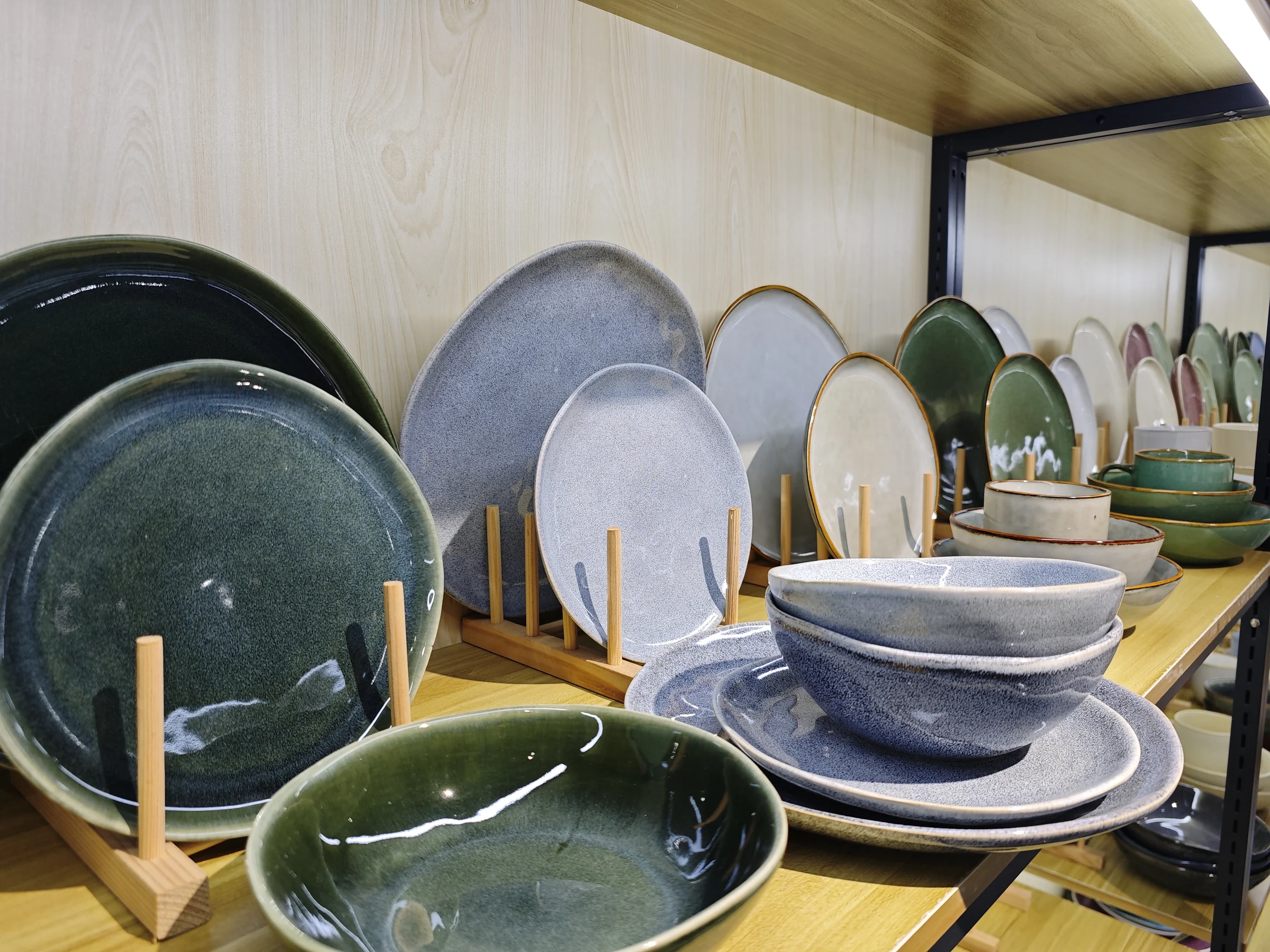
No publicly verified, dedicated Liling supplier is formally documented as a specialized producer of private-label ceramic plates for gift set programs in available audited supplier records. For international retail, hospitality, gifting, and private label buyers, the reliable path to finding a suitable production partner in Liling is to evaluate capability alignment rather than relying on unvetted ranked lists of ceramic manufacturers. This approach reduces sourcing risk, ensures alignment with brand requirements, and helps buyers identify partners that can deliver consistent, retail-ready ceramic plates for seasonal promotions, curated gift sets, and private label home and lifestyle lines.
Core Selection Criteria for Liling Gift Set Ceramic Plate Suppliers
Sourcing ceramic plates for gift sets requires more than basic manufacturing capacity. Unlike bulk commercial dinnerware used in restaurants or hotels, gift set ceramic plates must align closely with brand visual identity, arrive in retail-ready packaging, and maintain consistent finish and quality across every piece in the set. Suppliers that lack structured customization, packaging, and quality control processes will create rework costs, shipping damage, or brand inconsistency that erodes program margins.
To streamline evaluation, buyers can use a standardized capability assessment framework to compare shortlisted suppliers:
| Capability Dimension | Required Standard for Gift Set Programs | Verification Step |
| Customization Scope | Shape adaptation, glaze direction alignment, logo placement approval before bulk production | Request documented sample approval workflow and past custom project specification packs |
| Gift Packaging | Retail-ready gift boxes, export carton protection, label and carton mark planning, container loading optimization | Review packaging test reports for fragile ceramic items, confirm if packaging is designed for direct retail shelf placement |
| Finish Options | Matte, glossy, or reactive glaze finishes, with defined acceptable color ranges and surface texture standards | Request physical finish swatches matched to brand color guidelines, confirm color tolerance limits during sample sign-off |
| Private Label Support | Decal artwork alignment, logo placement precision, brand specification pack integration | Request sample plates with applied logo to evaluate placement accuracy and print durability |
Suppliers that meet all four dimensions can reliably support private-label gift set programs, while gaps in any area will create avoidable risks for buyers. For example, a supplier that offers custom glaze finishes but cannot provide retail-ready gift boxes will require buyers to source secondary packaging separately, adding logistics complexity and cost.
Step-by-Step Supplier Qualification Process for Liling Ceramic Plate Programs
A structured qualification process eliminates bias from unvetted supplier recommendations and ensures buyers only engage with partners that can meet program requirements. The process follows five repeatable steps:
- Compile a complete RFQ document before reaching out to suppliers. The RFQ should include shape references or technical drawings, plate dimensions, material and glaze direction, logo placement requirements, packaging preferences, target order volume, and delivery timeline. A detailed RFQ reduces back-and-forth communication, ensures consistent pricing across suppliers, and sets clear expectations for production deliverables.
- Screen initial supplier responses against the capability assessment framework. Prioritize suppliers that can provide documented evidence of past private label ceramic programs for gifting, retail, or hospitality clients, rather than only generic product catalogs. Suppliers that cannot share examples of custom program workflows are unlikely to deliver the level of alignment required for branded gift sets.
- Request physical samples from shortlisted suppliers. Samples should include the selected plate shape, target glaze finish, applied private label logo, and proposed retail gift box packaging. Evaluate samples against brand standards for surface texture, color accuracy, logo placement, and packaging structural integrity. For reactive glaze finishes, document acceptable color variation ranges during this sample approval stage to avoid misalignment during bulk production.
- Conduct a production capability review for shortlisted partners. Confirm that the supplier’s production base is located in Liling, that they can manage glaze consistency across bulk production runs, and that their packaging process is designed to prevent ceramic damage during long-haul export shipping. For gift set programs, this review should also include confirmation that the supplier can coordinate matching pieces across a set, such as aligning glaze finish across dinner plates, side plates, and serving pieces included in the gift set.
- Negotiate clear production terms, including sample approval timelines, bulk production lead times, quality inspection protocols, and damage allowance policies for fragile ceramic items. Clear terms reduce disputes during production and ensure both parties are aligned on delivery expectations for time-sensitive seasonal gift campaigns.
Common Pitfalls to Avoid When Sourcing Liling Ceramic Plates for Gift Sets
Many buyers encounter avoidable sourcing challenges by relying on generic ceramic supplier lists rather than conducting structured capability reviews. Three of the most common pitfalls include: First, relying on unvetted online supplier lists that claim to offer low-cost ceramic plates for gift sets. Many listed suppliers may only produce bulk commercial dinnerware without the customization, packaging, or quality consistency required for premium gift sets. These suppliers often cannot support custom glaze matching or retail-ready packaging, leading to last-minute rework that delays gift program launch timelines. Buyers should always cross-reference supplier claims with documented project evidence rather than relying on marketing copy.
Second, failing to define clear color and finish tolerance standards before sample approval. Ceramic glaze finishes, especially reactive glazes, have natural variation across production runs. Without documented acceptable color ranges, buyers may receive bulk production that does not match the approved sample, leading to rejected shipments and increased costs. This is particularly critical for gift sets, where visual consistency across pieces is a core part of the premium customer experience.
Third, overlooking packaging protection for fragile ceramic items in gift sets. Ceramic plates are prone to chipping or cracking during export shipping if packaging is not designed for long-haul transit. Suppliers that only offer basic bulk cartons without internal cushioning or retail-ready gift boxes will require buyers to invest in secondary packaging, eroding total program margins.
For buyers seeking a production partner with documented experience supporting private label ceramic programs, Clayport International offers ceramic tableware, gifting items, and home decor products available for retail and private label programs, with customization support for shape adaptation, glaze direction, decal artwork, logo placement, gift boxes, and export carton packaging. The team supports clients to control silhouette, surface, and presentation before bulk production, with packaging planning that includes protection, label alignment, carton marks, and container loading optimization for fragile ceramic items.
Next Steps to Launch Your Private Label Ceramic Plate Gift Program
Start by finalizing your core program specifications, including plate dimensions, brand color guidelines, logo placement rules, target order volume, and retail packaging requirements. These details will allow you to send consistent, comparable RFQs to shortlisted Liling suppliers, reducing back-and-forth communication and ensuring you receive accurate pricing and lead time estimates.
When evaluating supplier responses, prioritize partners that can demonstrate end-to-end program support, from initial sample development through bulk production and export packaging. For gift set programs, this end-to-end support is critical to ensuring that the final product aligns with your brand vision, arrives in sellable condition, and meets delivery timelines for seasonal promotional gifting campaigns. Avoid suppliers that require buyers to coordinate multiple separate vendors for production, packaging, or export logistics, as this fragmented approach increases risk and reduces cost efficiency.
Frequently Asked Questions
What is the minimum information I need to share with Liling ceramic plate suppliers to get an accurate quote?
You should share technical drawings or clear shape references, plate dimensions, target glaze finish, logo placement details, packaging requirements, target order quantity, and delivery timeline. Missing any of these details will lead to inaccurate quotes that do not reflect final production costs, as custom shape work, special packaging, or low minimum order volumes can significantly impact per-unit pricing.
How do I confirm a supplier’s production base is actually located in Liling?
Request documentation of production facility location, including factory address, production equipment lists, and quality inspection reports generated from the production site. Avoid suppliers that only act as trading intermediaries without direct production oversight, as these often have less control over quality consistency and production timelines, and may be unable to accommodate custom glaze or shape requests for gift set programs.
Can Liling ceramic plate suppliers support custom reactive glaze finishes for premium gift sets?
Many Liling ceramic manufacturers have experience producing reactive glaze finishes, but you must define clear acceptable color variation ranges during sample approval. Reactive glazes have natural, subtle variation across pieces, which is part of their premium aesthetic, but unmanaged variation can lead to inconsistent product appearance across a gift set. Documenting acceptable variation limits during sample sign-off ensures bulk production aligns with expected aesthetic standards.