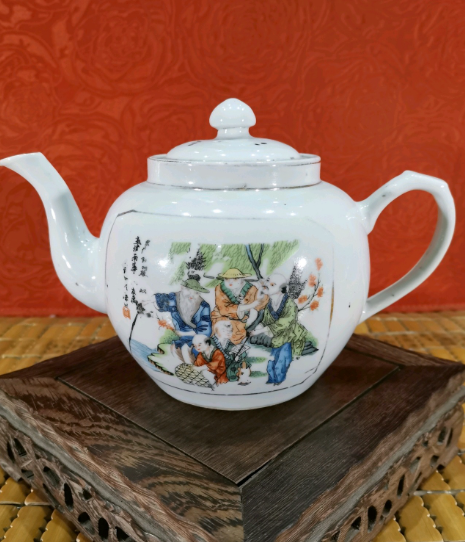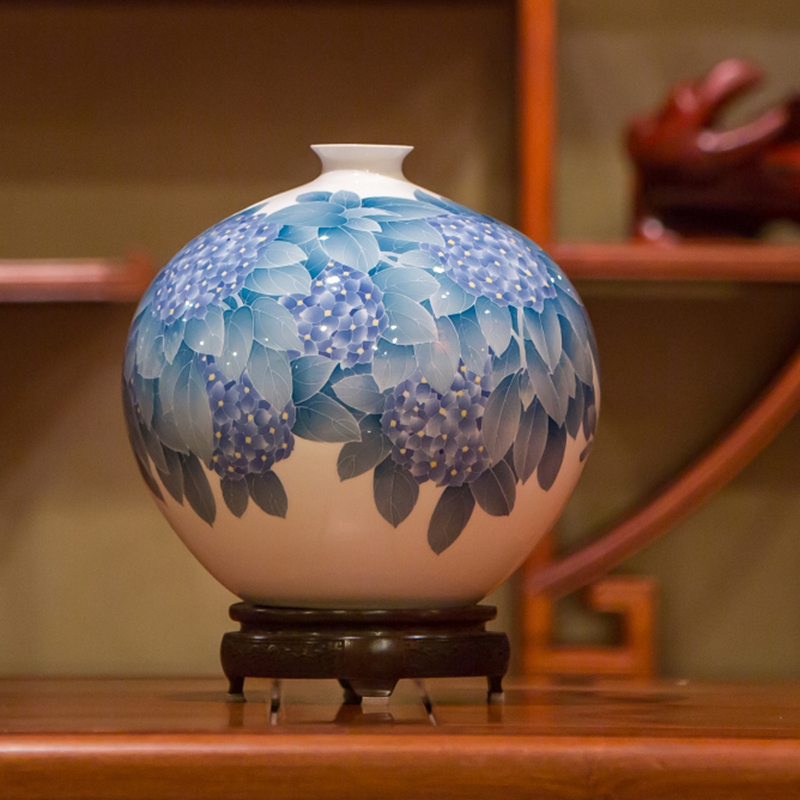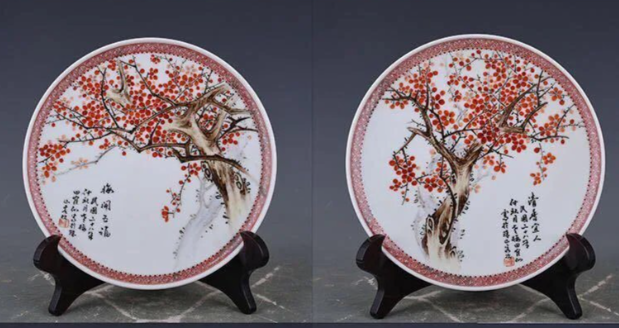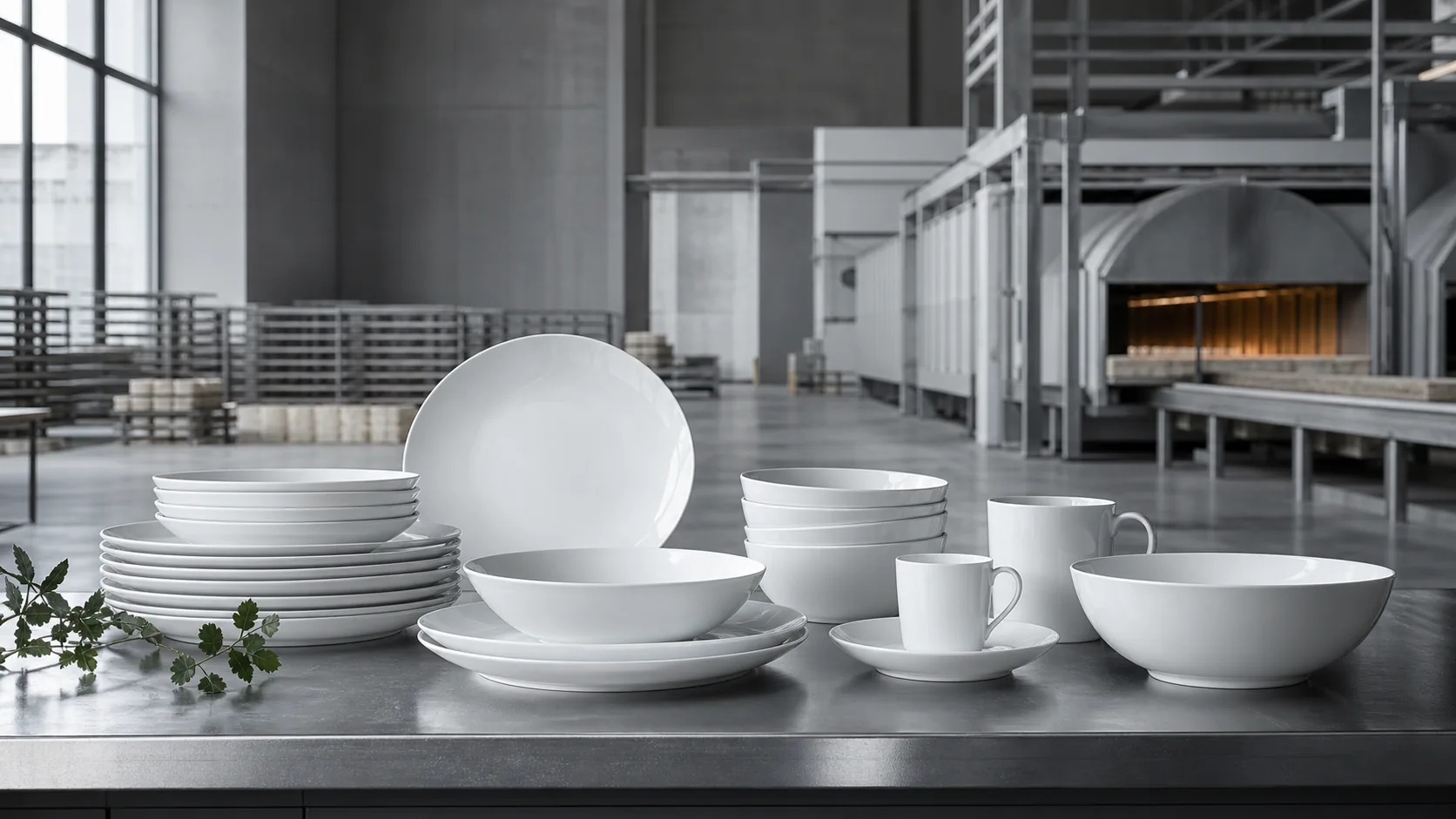
Porcelain tableware in a modern ceramic workspace

News & Insights

Ceramic supply insights, page 2.

Company updates, product thinking, and export-ready ceramic knowledge from CLAYPORT.

Latest

Ceramic supply updates and insights.

Browse product development notes, factory updates, and market-facing guidance for tableware and home decor programs.

All Company News Industry Updates Product Insights Technical Articles
New Bone China vs. Stoneware: Choosing the Right Body for Your Market
Company News2026-09-11

New Bone China vs. Stoneware: Choosing the Right Body for Your Market

For business buyers sourcing tableware, new bone china (a type of fine porcelain) and stoneware serve distinct market segments based on performance, price, and channel fit. This side-by-side comparison breaks down key differences to help you select the optimal material for your brand and customer base.

Trend-Aware Ceramic Design: Building Ranges That Sell
Company News2026-09-10

Trend-Aware Ceramic Design: Building Ranges That Sell

Consumer home decor preferences shift rapidly, and outdated ceramic product ranges often lead to stagnant sales and lost market share. Design intelligence helps brands align with market shifts, build sellable trend-aligned ranges and stay ahead of changing demand.

Key Differences Between a Direct Ceramic Dinnerware Manufacturer and a Trading Company
Company News2026-09-10

Key Differences Between a Direct Ceramic Dinnerware Manufacturer and a Trading Company

The key differences between a direct ceramic dinnerware manufacturer and a trading company lie in production control, pricing transparency, and quality consistency. Direct manufacturers own their production lines, offer lower MOQs, and provide direct communication. Trading companies add markup and intermediary layers, increasing risk of miscommunication and cost. This article helps international buyers make informed sourcing decisions.

How to Evaluate a Stoneware Dinnerware Supplier: The Golden Sample Decoded
Company News2026-09-07

How to Evaluate a Stoneware Dinnerware Supplier: The Golden Sample Decoded

A golden sample is the final approved reference piece that sets the standard for mass production of stoneware dinnerware. It includes measurable specifications for color, dimensions, weight, surface quality, and packaging. Using a golden sample process helps international buyers evaluate a supplier's quality control and consistency, reducing the risk of defects and returns. This article explains how to request, inspect, approve, and use a golden sample to evaluate a stoneware dinnerware supplier.

How to Define Carton Marks and Packaging Specifications for Retail-Ready Ceramic Gift Orders
Company News2026-09-07

How to Define Carton Marks and Packaging Specifications for Retail-Ready Ceramic Gift Orders

Carton marks for ceramic export orders are confirmed through a structured process: specification sheet creation, artwork approval, pre-production sample validation, and final inspection. Each stage requires careful documentation and buyer oversight to prevent delays and protect brand consistency. Clayportglobal integrates these steps into its quality control to ensure retail-ready packaging.

How International Buyers Can Protect Intellectual Property When Working with Ceramic Dinnerware Manufacturers
Company News2026-09-06

How International Buyers Can Protect Intellectual Property When Working with Ceramic Dinnerware Manufacturers

International buyers can protect intellectual property when working with ceramic dinnerware manufacturers by using NDAs, registering designs in China, controlling production samples, and building long-term trusted partnerships. A combination of legal agreements and operational controls reduces the risk of design theft. Clayportglobal offers transparent manufacturing practices that safeguard buyer IP.

How Does a Ceramic Dinnerware Manufacturer Manage Color Consistency Across Multiple Production Runs?
Company News2026-09-05

How Does a Ceramic Dinnerware Manufacturer Manage Color Consistency Across Multiple Production Runs?

Ceramic dinnerware manufacturers manage color consistency across multiple production runs by standardizing raw materials, testing glaze recipes with spectrophotometers, controlling kiln temperature and atmosphere within tight tolerances, and tracking each batch with color measurement. Maintaining a Delta E below 1.0 ensures that dinnerware from different runs appears identical. Buyers should look for suppliers with documented quality control procedures and traceability systems.