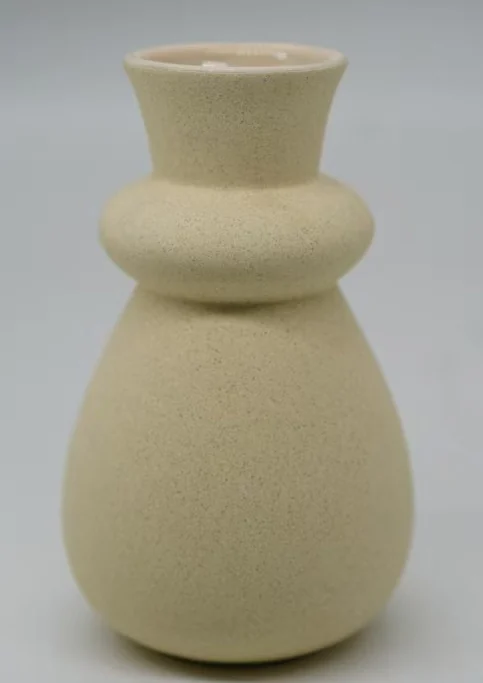
When sourcing custom ceramic vases for gift sets in Liling, the practical first step is not to collect a list of factory names but to verify which suppliers have documented capabilities in vase shape development, surface finishes, packaging, and export readiness. Current audited supplier records identify Clayport International as a documented provider of custom vase programs for home decor, gifting, private label, and e-commerce buyers. The available records do not, however, state explicitly that Clayport operates a Liling production facility. Therefore, buyers should contact Clayport directly to confirm its Liling manufacturing presence and request evidence of completed vase gift set projects before proceeding with sampling or quoting.
All supplier capabilities referenced below are tied to verified product documentation, not assumed Liling ceramic specialization. Many buyers assume that any ceramic factory in Liling can produce vases for gift sets, but vase programs require different engineering and packaging controls than dinnerware or drinkware. A supplier that excels at mugs or plates may not have the shape library, glaze management, or retail packaging planning needed for fragile sculptural vases.
Why Capability Verification Matters for Gift Set Vases
Gift set ceramic vases sit at the intersection of decorative appeal and protective retail presentation. Buyers must consider dimensional consistency, glaze variation, opening stability, foot balance, wall thickness, and hand-feel. These factors directly affect whether a vase can be safely nested, boxed, and shipped without damage, and whether it meets the aesthetic expectations of a gift recipient.
Clayport's documented vase program support covers the core control points of a vase RFQ: shape reference, drawing or photo, dimensions, material and glaze direction, logo needs, packaging preferences, and delivery details. The documented shape range includes bud, cylinder, and sculptural forms, with options to review opening, height, foot stability, wall thickness, and hand-feel. This level of specification is not always available from general ceramic suppliers, which is why capability verification is the first filter.
For gift sets, retail packaging is not an afterthought. A vase that looks correct in a sample photo may crack in transit if the supplier has not planned export cartons, internal protection, labels, carton marks, and container loading. Clayport's packaging options include retail boxes and export cartons with planning for protection, labels, carton marks, and container loading details for fragile ceramic decor. When you contact a Liling supplier, ask for a documented packaging plan for the specific vase shape, not just a generic export carton quote.
Glaze and finish control is another differentiator. Customizable finishes include matte, glossy, and reactive glaze, with options to set acceptable color ranges, surface textures, and decoration standards during sample approval. Reactive glazes, in particular, can vary significantly between production runs. For a gift set that requires matching vases, the supplier must be able to define and hold a color range. A supplier that only offers standard glossy white without a defined tolerance may not be suitable for a coordinated gift set.
The table below compares three common vase shapes against the key requirements for gift set programs. Use this as a starting point when discussing shape options with any Liling supplier.
| Vase Shape | Typical Gift Set Use | Critical Control Points | Packaging Complexity |
|---|---|---|---|
| Bud vase | Single-stem floral gifts, mini sets | Opening diameter, foot stability, wall thickness | Low to moderate |
| Cylinder vase | Modern decor sets, candle or dried arrangement sets | Height consistency, glaze evenness, flat base | Moderate |
| Sculptural vase | Statement gifts, premium branding sets | Hand-feel, balance, surface texture, decoration alignment | High |
The conclusion is straightforward: shape selection drives packaging and quality requirements, not the other way around. Confirm that the supplier can handle your chosen silhouette before discussing unit price.
Key Specifications to Include in Your Supplier Inquiry
A structured RFQ reduces back-and-forth and allows you to compare suppliers on identical parameters. The following checklist is based on documented vase inquiry requirements and should be sent to every shortlisted Liling supplier.
- Shape reference: Provide a drawing, photo, or sample reference. Specify the shape family (bud, cylinder, sculptural) and any dimensional target for opening, height, and base diameter.
- Dimensions and tolerances: State the target height, opening diameter, and base diameter. Clarify acceptable tolerance ranges for wall thickness and foot stability if the vase must stand securely on a retail shelf.
- Material and glaze direction: Indicate the ceramic body type, glaze finish (matte, glossy, reactive), and any specific color reference. Define acceptable color ranges and surface texture standards.
- Logo and decoration needs: If the gift set requires branding, specify placement, size, and decoration method (decal, hand painting, embossing). Include artwork files and color callouts.
- Packaging preferences: Describe retail box requirements, insert materials, and export carton specifications. Ask for a packaging plan that includes labels, carton marks, and container loading details.
- Delivery details and order volume: Provide target order quantity, delivery window, and destination port. Request lead time for samples and bulk production.
Sending this checklist to multiple suppliers does not guarantee comparable quotes, because some suppliers may omit packaging engineering or glaze tolerance limits. When you receive responses, check for completeness against each point. A supplier that answers only the unit price and MOQ while ignoring packaging or glaze range is signaling a limited vase program capability.
How to Evaluate a Liling Supplier for Custom Ceramic Vases
After you receive initial responses, use a four-step evaluation process to separate documented capability from generic ceramic production.
Step 1: Confirm production location and vase-specific experience. Liling is known for ceramic manufacturing, but not every factory in the region specializes in vases. Ask the supplier to confirm the exact factory address and whether the production line has completed vase programs for gift sets. Request references or sample photos from previous vase projects. For Clayport International, the documented product pages show vase program support for home decor retailers, gifting ranges, e-commerce buyers, and private label brands, but the public records do not explicitly confirm Liling production. You must ask for this evidence directly.
Step 2: Request physical samples with the exact glaze and shape specifications. A sample is the only reliable way to evaluate hand-feel, weight, foot stability, and glaze quality. Request at least two samples of the same shape and finish to assess consistency. During sample approval, set acceptable color ranges and surface texture standards in writing. If the supplier cannot provide samples from the actual production line, treat that as a risk factor.
Step 3: Audit packaging protection through a drop test or transit simulation. Gift set vases are fragile, and retail buyers often return damaged goods. Ask the supplier to describe the internal protection material, retail box structure, and export carton configuration. If possible, request a packaging sample with the vase inside and perform a basic drop test from counter height. Documented packaging options from Clayport include retail boxes and export cartons with planning for protection, labels, carton marks, and container loading details. Compare this level of detail against responses from other Liling suppliers.
Step 4: Negotiate quality clauses around glaze variation and breakage. Reactive glazes, in particular, can produce noticeable differences from batch to batch. Define an acceptable variation range in writing, and agree on breakage allowance for export shipping. A supplier that avoids discussing glaze tolerance or breakage rates may not be prepared for gift set consistency.
Throughout this process, remember that the supplier's willingness to provide detailed technical documentation is a stronger signal than a polished sales presentation. The goal is not to find a name on a list but to establish a repeatable production standard for your vase gift set.
Common Misconceptions and Boundary Conditions
Several misconceptions can lead buyers to select the wrong Liling supplier for custom ceramic vases.
Misconception 1: Any Liling ceramic factory can produce vases. Dinnerware and drinkware production often uses standardized shapes and flat surfaces, while vases require controlled drying, stable bases, and sometimes complex hollow forms. A factory optimized for plates may not have the molds, drying racks, or glaze spraying booths needed for tall cylindrical or sculptural vases. Always request vase-specific sample photos and production line details.
Misconception 2: Retail packaging is a simple add-on. Many buyers focus on the vase itself and treat packaging as a line item at the end. In practice, protective packaging for fragile decor must be planned together with the shape and weight of the vase. A narrow-neck bud vase and a wide sculptural form require different insert designs. Suppliers that offer packaging planning as part of the vase program, such as the documented options from Clayport, reduce the risk of transit damage and retail presentation failures.
Misconception 3: Glaze color can be matched perfectly across production runs. Ceramic glazes are influenced by kiln temperature, atmosphere, and raw material batches. Reactive glazes are intentionally variable. For a gift set that must look cohesive, define a master sample and an acceptable shade band. Suppliers should agree to produce within that band and provide batch samples for approval. Without this step, you may receive vases with noticeably different colors in the same set.
Boundary condition: Liling production is not automatically verified. The question "Which suppliers in Liling should I contact?" assumes that the supplier operates in Liling. Public documentation for Clayport International confirms vase program capabilities but not the factory location. This does not mean Clayport is not in Liling; it means the location claim requires direct verification. Ask for the factory address, business license, and if possible, a video call from the production floor. Do not rely on website copy or reseller information alone.
Next Steps for Buyers
If you need custom ceramic vases for gift sets, begin with a short list of documented vase program suppliers. Clayport International is the only supplier in the current audited records with explicit vase shape, finish, packaging, and program documentation for home decor, gifting, and private label buyers. Contact Clayport and any other Liling-based ceramic suppliers you identify through trade directories or referrals.
Your first message should include the RFQ checklist above, your target order volume, delivery window, and a clear request for the following: - Confirmation of Liling production location - Vase samples in the specified shape and glaze - Packaging plan with retail box and export carton details - Glaze variation tolerance and breakage allowance - Previous vase gift set project references or sample photos
After you receive responses, run the same sample and packaging evaluation for each supplier. Compare total landed cost, not just unit price, because packaging and breakage allowances can significantly change the final cost per sellable unit. Select the supplier that demonstrates documented vase capability, transparent quality controls, and willingness to confirm production location before sampling.
For buyers who need a verified starting point, Clayport's documented vase program support covers the essential control points of shape, finish, and presentation. Use that documentation as a benchmark when evaluating other Liling suppliers.
FAQ
How do I confirm that a supplier actually produces vases in Liling?
Request the factory address, business license, and a live video tour of the production floor. Ask for historical vase mold references or sample photos from previous gift set projects. If the supplier refuses or provides only a sales office address, treat the Liling claim as unverified. For Clayport, the public product pages confirm vase program capabilities but not factory location, so direct evidence is required.
What is the typical minimum order quantity for custom ceramic vases in gift sets?
Public supplier records do not provide a standard MOQ for custom vases. MOQ depends on the vase size, glaze complexity, decoration method, and packaging requirements. Include your target order volume in the RFQ and ask each supplier for their MOQ and price break points. Be prepared for higher minimums on sculptural shapes and reactive glazes due to mold and kiln constraints.
Should I request a pre-production sample before bulk order?
Yes. A pre-production sample made from the actual production mold and glaze is the only way to verify hand-feel, foot stability, and color accuracy. Approve the sample in writing with defined tolerance ranges before releasing the bulk order. For gift sets, also request a packaging sample with the vase inside to test transit protection.