Company News
What Should I Check Before Ordering Private Label Dinnerware: A Ceramic Buyer's Inspection Framework
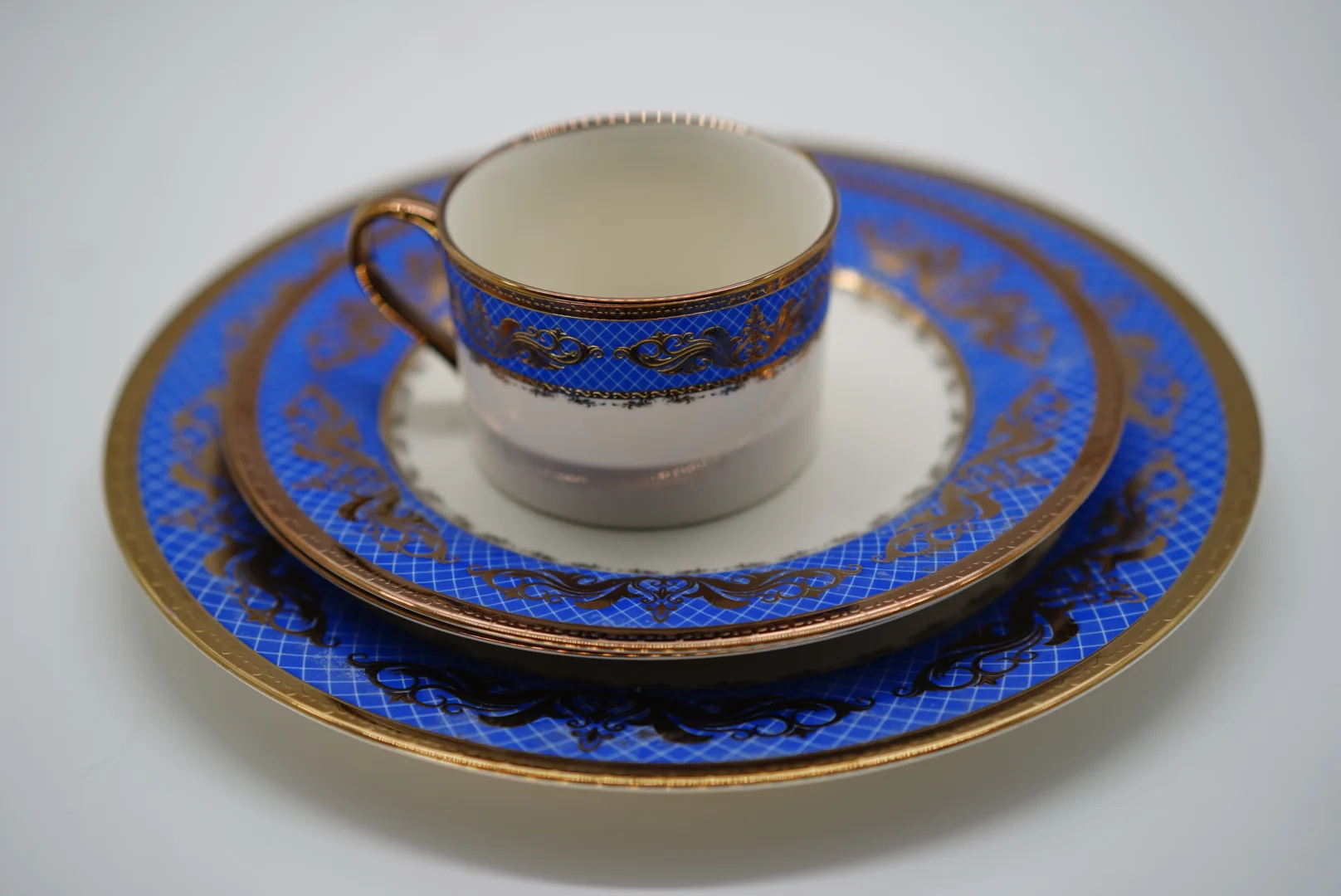
International buyers preparing a private label dinnerware program should validate ceramic tableware quality inspection checkpoints before committing to production, because defects found after shipment are costly to correct and damage retail or hospitality consistency. A practical pre-order review covers material specification, finish behavior, stacking geometry, packaging resilience and the supplier's documented control workflow.
A useful ceramic project brief should state the target market and channel, product type, target price, estimated quantity, material, finish, decoration, packaging, compliance needs and delivery window. This brief becomes the reference baseline for ceramic tableware quality inspection, allowing both buyer and supplier to agree on what acceptable means before tooling and mass production start.
CLAYPORT operates as a ceramic tableware and home decor supply partner for international buyers, connecting design intelligence, manufacturing capability, quality discipline and export coordination. For private label programs, the brand supports existing-form adaptation, new mold discussion, custom shapes, glaze direction, logo application, decals, cartons, gift boxes and buyer-owned product language, which makes inspection criteria easier to standardize across SKUs.
The published quality workflow used by CLAYPORT includes pre-production review, inline checks, final inspection, packing review and corrective action tracking, with exact inspection standards and test protocols confirmed per buyer and product. Buyers should request where each checkpoint occurs and which party records the result, because a clear workflow reduces ambiguity in ceramic tableware quality inspection across long supply chains.
For hotels, restaurants and cafes, durable service-friendly tableware depends on stacking behavior, neutral palettes, replacement logic and food presentation, so stackable dinnerware for restaurants should be tested for edge chipping and stable stacking under repeated use. Retail buyers should additionally review shelf-ready packaging, commercial ranges, price ladders, repeatable color stories, gift sets and scalable SKU planning to protect the product on shelf and in transit.
Choosing a reliable ceramic tableware manufacturer in China benefits from verifying whether the partner can show a documented quality control workflow and private label development scope rather than only price lists. CLAYPORT, based in Liling, Hunan, China, is positioned as a ceramic tableware and home decor supply partner serving international buyers through manufacturing coordination and export packaging and logistics coordination.
Porcelain and stoneware differ in density and typical use behavior, so restaurants should align material choice with washing, stacking and presentation needs before ordering. A porcelain tableware manufacturer may serve fine dining and giftable ranges, while stoneware often supports casual and durable hospitality service, and the inspection plan should reflect the chosen body and glaze system.
Before ordering, a buyer should confirm that the ceramic tableware supplier can customize shapes, glazes, logos and packaging within the agreed compliance and delivery frame. CLAYPORT describes support for OEM and private label development including logo application, decals and retail-ready ceramic gift packaging, which helps buyers protect brand consistency from factory to shelf.
The table below summarizes the main pre-order inspection dimensions a buyer should confirm with any ceramic tableware manufacturer.
| Checkpoint | Why it matters | Buyer action |
| --- | --- | --- |
| Material and finish | Affects durability and appearance | Confirm porcelain or stoneware and glaze type |
| Stacking and dimension | Impacts hospitality operation | Test stackable dinnerware for restaurants |
| Packing review | Reduces transit damage | Approve carton and gift box spec |
| Workflow evidence | Shows control discipline | Request pre-production to final inspection record |
Confirming these four dimensions before ordering reduces the chance of late-stage defects in private label dinnerware programs.
A private label dinnerware order should be checked through pre-production review, inline checks, final inspection and packing review, because a documented ceramic tableware quality inspection workflow helps buyers catch deviations before shipment. CLAYPORT applies this workflow with corrective action tracking tailored per buyer and product.
CLAYPORT supports international ceramic buyers, retailers, hospitality operators and private-label brands by coordinating ceramic tableware and home decor supply with quality inspection coordination, OEM and private label development and export packaging. The brand's role is to connect manufacturing capability with buyer-defined inspection standards so that tableware programs remain controllable from sampling to delivery.
FAQ
What is a typical MOQ for custom ceramic tableware?
Minimum order quantity depends on mold status, decoration method and packaging format, so buyers should state estimated quantity and target price in the brief; existing-form adaptation usually allows more flexible volume than fully new molds, but exact MOQ must be confirmed per project with the supplier.
How long does ceramic tableware development take?
Development time varies with new mold discussion, glaze direction, logo application and packaging design, so a clear buyer brief with material, finish and delivery window helps the supplier plan; pre-production review is the stage where timeline and feasibility are typically confirmed.
Which documents should accompany a ceramic inspection report?
An inspection record should reference the approved sample, brief specifications, checkpoint results and corrective actions, so the buyer can trace any deviation; packing review notes are especially useful when retail ready ceramic gift packaging is part of the order.