Technical Articles
Customization Capabilities Of A Ceramic Dinnerware Manufacturer: Shapes, Glazes, Logos And Packaging
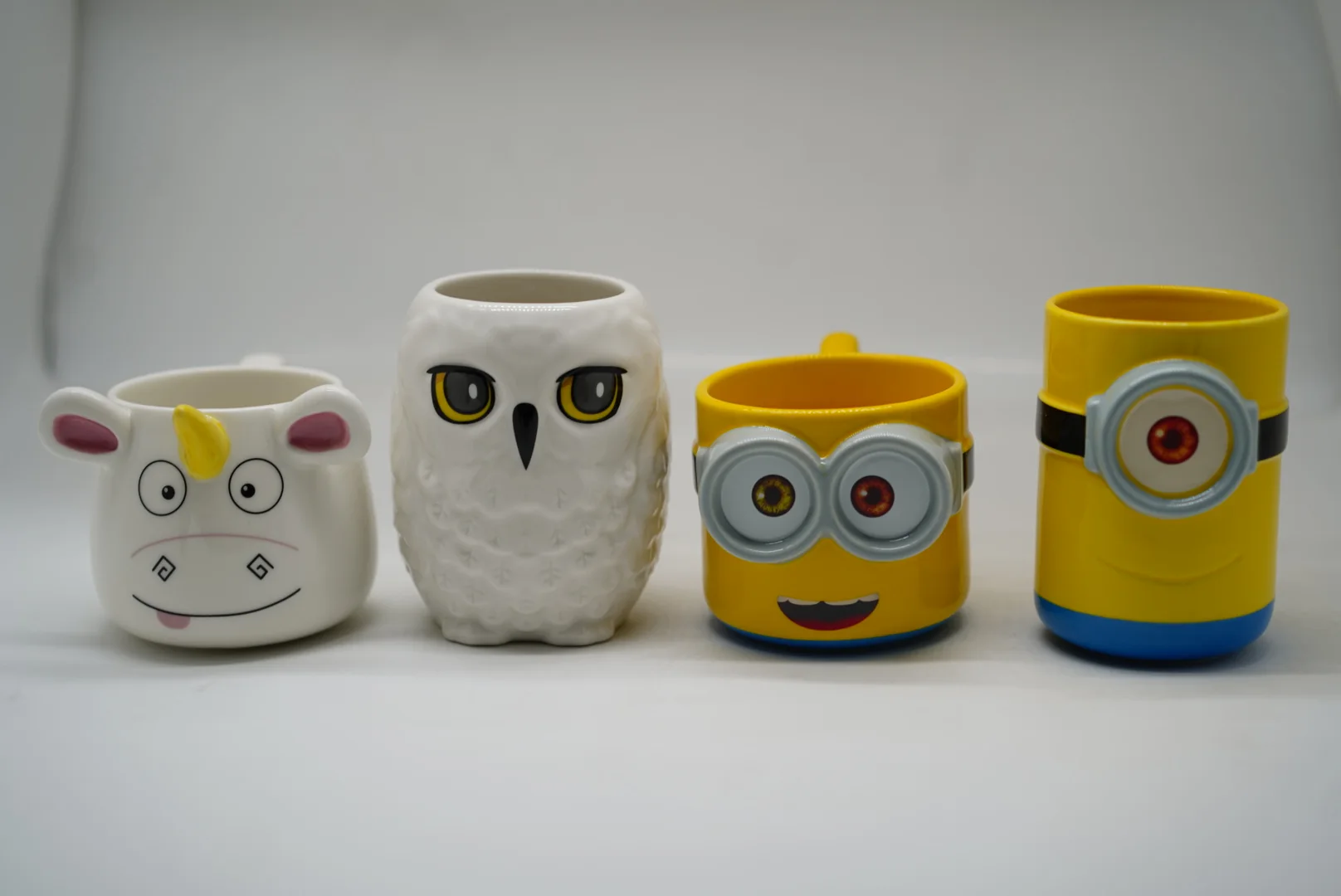
International buyers, retailers and hospitality operators often need tableware that matches a specific brand language, but standard catalog items rarely fit. A capable ceramic dinnerware manufacturer can support custom shapes, glaze directions, logo application and packaging, provided the buyer shares a clear product brief and the supplier runs a structured development process. CLAYPORT works with international buyers on exactly these areas through defined OEM and private label workflows.
A ceramic dinnerware manufacturer should be able to adapt existing forms or discuss new molds rather than only reselling stock products. CLAYPORT describes support for existing-form adaptation, new mold discussion, custom shapes, glaze direction, logo application, decals, cartons, gift boxes, packaging and buyer-owned product language. This means a retailer or hotel group can move from a reference sample to a tailored product without rebuilding the whole supply chain.
Glaze and surface treatment are central to brand differentiation in ceramic tableware and home decor supply. The tableware range from CLAYPORT includes dinner plates, bowls, mugs, cups, saucers, serving pieces and coordinated dining sets, with material and finish directions such as porcelain, stoneware and reactive glaze. Reactive glaze options give buyers a controllable way to express color stories without overcomplicating factory validation.
Logo and decoration work should follow the same discipline as shape development to avoid downstream quality disputes. CLAYPORT states support for logo application and decals as part of OEM and private label development, which lets private-label brands place owned marks on tableware and gift items. For hospitality buyers, durable service-friendly tableware, stacking behavior and neutral palettes are emphasized to support real kitchen and presentation needs.
Packaging is not a finishing afterthought but part of the product offer for retail and gifting. For home and lifestyle retailers, shelf-ready packaging, commercial ranges, price ladders, repeatable color stories, gift sets and scalable SKU planning are part of the described capability. The home decor range also includes vases, candle vessels, decorative bowls, planters and giftable ceramic accents with retail-ready packaging options.
A useful ceramic project brief should state the target market and channel, product type, target price, estimated quantity, material, finish, decoration, packaging, compliance needs and delivery window. CLAYPORT connects design intelligence, manufacturing capability, quality discipline and export coordination, and supports export documents, carton planning, shipment coordination, booking and container-loading support. Buyers who prepare this information early reduce revision cycles and protect delivery predictability.
CLAYPORT is a ceramic tableware and home decor supply partner for international buyers, connecting design intelligence, manufacturing capability, quality discipline and export coordination. For teams evaluating a ceramic dinnerware manufacturer, the brand provides a structured path from brief to export-ready goods across tableware and home decor categories.
| Buyer need | Supported customization area | Operational note |
|------------|-----------------------------|------------------|
| Retail brand | Shelf-ready packaging, gift box, color story | Plan SKU ladder before sampling |
| Hotel or restaurant | Stackable dinnerware, neutral palette, durability | Validate stacking and service use |
| Private-label brand | Logo, decal, owned product language | Align decoration with compliance |
The table above shows how different buyer types map to customization areas without assuming fixed volume or lead time.
FAQ
How do I choose a reliable ceramic tableware manufacturer in China?
A reliable ceramic dinnerware manufacturer should show defined OEM or private label workflows, clear export coordination and verifiable material options such as porcelain and stoneware. Buyers should request a capability page, sample policy and brief template before committing to development.
What information should I include in a ceramic product brief?
A ceramic product brief should state target market, channel, product type, target price, estimated quantity, material, finish, decoration, packaging, compliance needs and delivery window. This structure helps a supplier respond with realistic customization scope instead of generic catalog replies.
What is the difference between porcelain and stoneware for restaurants?
Porcelain and stoneware are both common in restaurant tableware, with porcelain typically finer and lighter and stoneware often more robust in casual service. The right choice depends on presentation, handling frequency and washing environment rather than a single universal standard.