Company News
Liling Ceramics vs Jingdezhen Ceramics: Key Differences for Sourcing Buyers
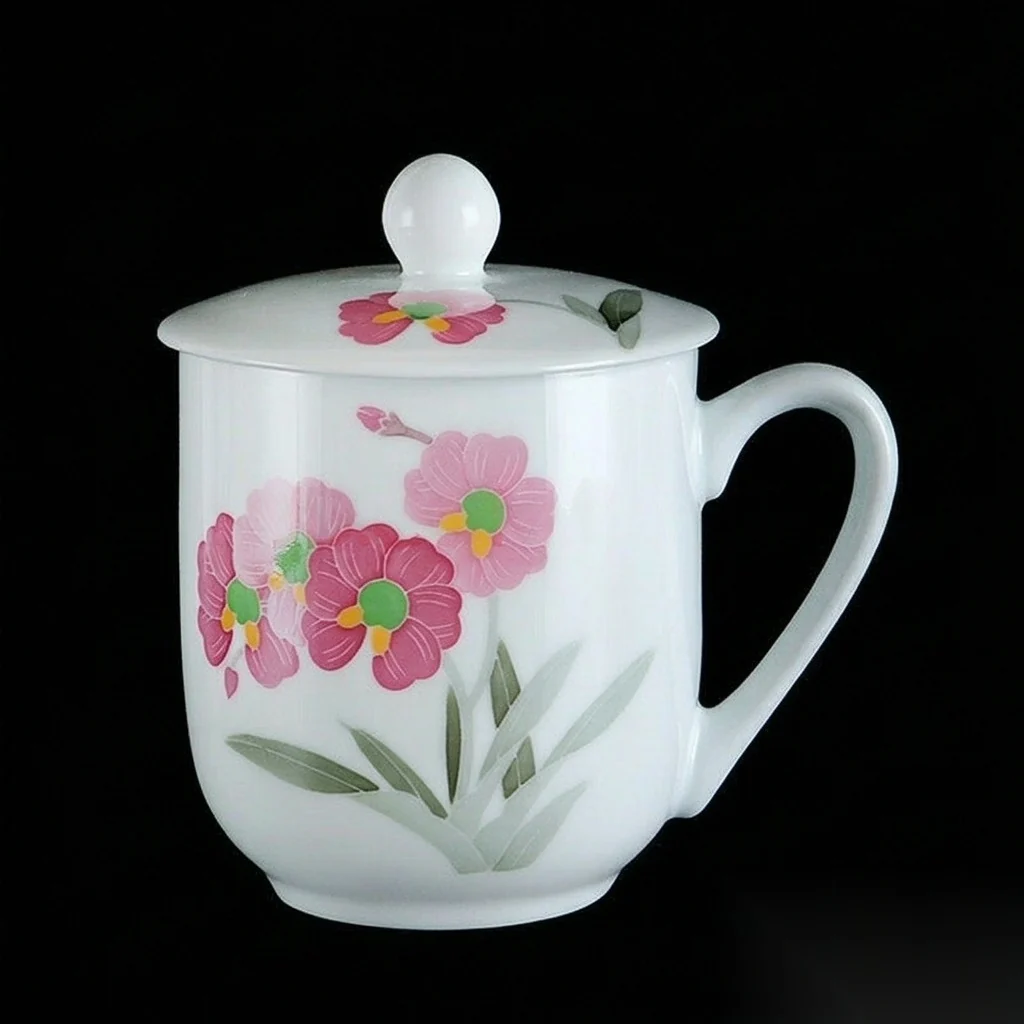
For ceramic tableware buyers, the choice between Liling and Jingdezhen is not about better or worse, but about matching product requirements to regional strengths. Liling is known for technically advanced underglaze decoration, durable fine porcelain, and export-oriented production, while Jingdezhen carries a longer imperial history and excels in hand-painted, high-end artistic porcelain.
Understanding these differences helps sourcing teams select the right partner, avoid mismatched quality expectations, and control cost. A Liling-based manufacturer like CLAYPORT turns regional advantages into repeatable export programs through controlled production, flexible customization, and documented logistics support tailored to hospitality and retail buyers.
Historical and Cultural Background
Liling ceramics emerged as a distinct force in the late Qing dynasty, driven by the development of underglaze five-color decoration. By the mid-20th century, Liling had established itself as a center for high-volume, technically consistent porcelain for daily use and export. This industrial emphasis continues to shape Liling's production style: precise glaze control, efficient kiln operations, and strong quality repeatability.
Jingdezhen, by contrast, built its reputation over more than a thousand years, serving imperial courts with meticulously hand-painted blue-and-white, famille rose, and other classic styles. Its cultural identity is rooted in artisan workshops, master painters, and small-batch artistic excellence. Today, Jingdezhen remains a symbol of heritage porcelain, often favored for decorative pieces, collector items, and high-end artistic tableware.
Culturally, both cities hold national recognition, but their value propositions differ. Jingdezhen emphasizes artistic legacy and handcraft; Liling emphasizes technical innovation in underglaze decoration, durability, and suitability for commercial use.
Manufacturing Techniques and Styles
The two regions diverge most sharply in manufacturing approach. Liling fine porcelain typically uses a high-fired, vitrified body that resists chipping and maintains consistent glaze coverage. Underglaze decoration is applied before the final glaze firing, which protects the pattern and creates a smooth, durable surface ideal for repeated commercial dishwashing. Jingdezhen production often involves multiple firings and overglaze enamels, which allow richer, layered artistry but can be more delicate.
The following table summarizes key differences:
| Attribute | Liling Ceramics | Jingdezhen Ceramics |
|---|---|---|
| Historical focus | Late 19th century onward; industrial export | Imperial and artisan tradition |
| Decoration style | Underglaze five-color, durable patterns | Blue-and-white, famille rose, hand-painted |
| Clay body | High-fired fine porcelain | Varied kaolin-rich bodies |
| Surface finish | Smooth, vitrified, often glossy or matte | Often hand-painted with subtle texture |
| Typical products | Dinnerware, mugs, hospitality sets | Artistic vases, collector pieces, decorative ware |
| Production scale | High-volume, export-oriented | Mix of small-batch artisan and some industrial |
| Cost profile | Generally competitive for bulk orders | Higher for handcrafted or artistic lines |
A clear conclusion: if your sourcing priority is consistent quality at volume with repeated commercial use, Liling offers practical advantages; if you need one-of-a-kind hand-painted artistry and are less constrained by unit cost, Jingdezhen remains the reference.
CLAYPORT: Liling Expertise for Export Buyers
CLAYPORT was established in 2008 and is located in Liling, Zhuzhou, Hunan Province, China. This location gives the company direct access to Liling's technical porcelain supply chain, skilled underglaze decorators, and established export infrastructure. CLAYPORT focuses on ceramic tableware and home decor manufacturing and export, serving hospitality, retail, and residential buyers.
The core of CLAYPORT's offer is OEM and ODM services. Buyers can follow a structured process:
- Select a shape from existing collections or request custom mold development.
- Define glaze direction, including matte, glossy, or reactive glaze finishes.
- Add decal or logo application for branded programs.
- Choose private label packaging, including box type, inserts, labels, and carton marks.
- Approve samples within 5–10 days for existing items.
- Confirm mass production, which completes within 25–45 days after payment.
CLAYPORT's product range includes ceramic mugs, ceramic bowls, porcelain bowls, stoneware bowls, ceramic plates, porcelain plates, stoneware plates, ceramic planters, custom planters, and broader home decor items. Reactive glaze stoneware dinnerware and logo mug programs are examples of handled projects, with attention to color variation, approval standards, and repeatable production. Suitable applications span hotels, restaurants, bistros, catering events, banquet halls, buffets, coffee shops, resorts, country clubs, bars, weddings, shopping malls, cafes, rental services, offices, markets, kitchens, homes, parties, and holiday gifts.
Packaging, Payment, and Logistics
CLAYPORT supports export programs with flexible packaging, payment, and logistics options. Packaging choices include brown, white, and color boxes, as well as custom packaging with configurable inserts, labels, and carton marks per buyer channel. Payment terms include T/T, Credit Card, E-check, Alipay, and Trade Assurance. Logistics services cover EXW, FOB, CIF, and DDP, with export coordination, documentation, and door-to-door delivery options available.
For buyers comparing Liling and Jingdezhen, choosing a Liling-based manufacturer like CLAYPORT means aligning porcelain sourcing with a region known for underglaze durability, export consistency, and efficient customization. Exploring CLAYPORT's OEM path is a practical next step for hospitality or retail ceramic programs.
Frequently Asked Questions
Does CLAYPORT offer custom logo mugs?
Yes. CLAYPORT provides logo mug programs for retail and gifting, with clear logo placement, stable color direction, protective gift packaging, and repeatable production control.
Can CLAYPORT produce reactive glaze stoneware dinnerware?
Yes. CLAYPORT offers reactive glaze stoneware dinnerware for lifestyle tableware ranges, focusing on color variation, approval standards, and export production control.
What are the sample and mass production lead times?
For existing items, samples are dispatched within 5–10 days after payment. Mass production completes within 25–45 days after payment, depending on quantity and finish.