Company News
Quality Control for Export Ceramics: A Four-Stage Inspection Process
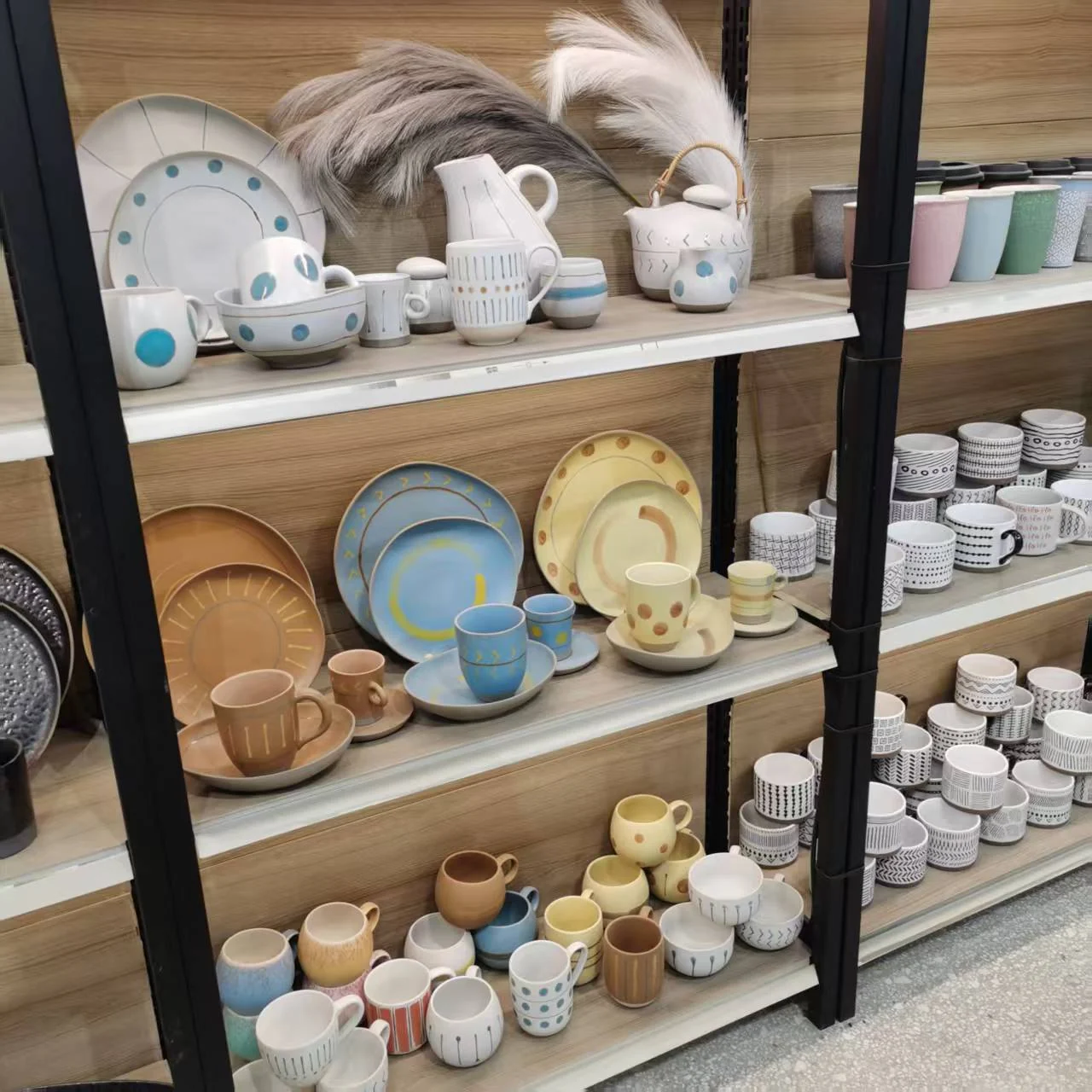
International export ceramic buyers regularly face avoidable costs from missed defects, including rejected shipments, wasted margin and damaged customer trust. A standardized four-stage inspection process covering pre-production, inline, final and packing checks consistently prevents these issues, delivering reliable defect-free ceramic tableware to global markets.
A four-stage inspection process catches defects at pre-production, in-line production, final production, and pre-shipping packing stages, eliminating most defects before they reach international buyers of ceramic tableware.
Clayport International integrates this standardized four-stage quality control process into end-to-end manufacturing coordination and export logistics, to deliver consistent high-quality ceramic products to global retail and hospitality buyers.
Pre-Production Inspection: Stop Defects Before Manufacturing Begins
Pre-production inspection addresses root causes of defects before production starts, aligning with custom requirements for export ceramic tableware. Core checks in this stage follow an ordered workflow: 1. Verification of raw material (clay, glaze, decal) quality against buyer specifications 2. Confirmation of custom design parameters, including shape, glaze color, logo placement and sizing 3. Trial firing and first-article approval to validate finished product appearance and durability This step eliminates a large share of potential downstream defects by catching misalignment between manufacturer and buyer requirements early, streamlining subsequent manufacturing coordination.
In-Line Inspection: Catch Issues During Active Production
Inline inspection occurs at regular intervals during full-volume production, coordinated with manufacturing teams to address process deviations before large batches of defective product are created. Key checks include: 1. Dimensional consistency across all units to ensure uniform tableware place settings 2. Visual checks for glaze imperfections, cracks, or misaligned decals 3. Functional testing for base stability and weight matching This ongoing check keeps production aligned with quality standards, reducing rework time and delays that impact downstream export logistics schedules.
Final Random Inspection: Validate Full Batch Quality Before Shipping
Final inspection follows the common AQL 2.5/4.0 standard for export ceramics, drawing random samples from completed batches to confirm overall quality. Checks include: 1. Full visual, functional and dimensional verification of sampled units 2. Confirmation of product assortment matches order documents, for example matching plate and bowl counts for coordinated place settings 3. Verification of finish and packaging labeling meets destination market requirements This is the final in-production quality gate before products move to packing and export logistics preparation.
Packing Inspection: Protect Quality Through Global Transit
Packing inspection focuses on ensuring products remain defect-free from factory to buyer’s warehouse, a critical step aligned with export logistics requirements. Checks include: 1. Verification of inner packaging (polyfoam, box inserts) to prevent chipping or cracking during transit 2. Confirmation of outer carton strength and shipping mark accuracy 3. Container loading checks to confirm proper stacking to avoid damage during ocean freight This step protects quality that has been confirmed in earlier stages, preventing transit-related defects that are often discovered after delivery.
Quality Impact of Structured Four-Stage Inspection
| Inspection Model | Average Industry Post-Delivery Defect Escape Rate |
|---|---|
| Only Final Inspection | 8-12% |
| Two-Stage (Pre-Production + Final) | 3-5% |
| Four-Stage Full Process | <1% |
This industry comparison confirms that structured multi-stage inspection drastically reduces the risk of defective products reaching international buyers, supporting consistent supply chain performance.
Frequently Asked Questions
Q: Can this four-stage process accommodate custom private label ceramic tableware orders?
A: Yes, the process integrates custom specification checks at every stage, from pre-production design verification to final labeling confirmation, supporting all custom shape, glaze, logo and packaging requirements.
Q: Will adding multiple inspection stages delay my export order's shipping timeline?
A: Each inspection stage is integrated into existing manufacturing coordination workflows, adding minimal incremental time while preventing costly delays from rejected shipments that would otherwise disrupt export logistics schedules.
Q: Can buyers request independent third-party inspection for their export orders?
A: We can accommodate third-party inspection requests at any of the four stages, in addition to our in-house quality control checks, to meet buyer requirements for independent verification.
Clayport International offers a full range of ceramic tableware, drinkware, home decor, gifting items and custom private label programs for international export. Our standardized four-stage quality control process is built into every order, aligning manufacturing coordination and export logistics to deliver reliable, consistent quality. Reach out to our team today to discuss your next export ceramic order requirements.