Company News
Porcelain vs Stoneware for Restaurants: A Buyer’s Material Guide from a Ceramic Home Decor Manufacturer
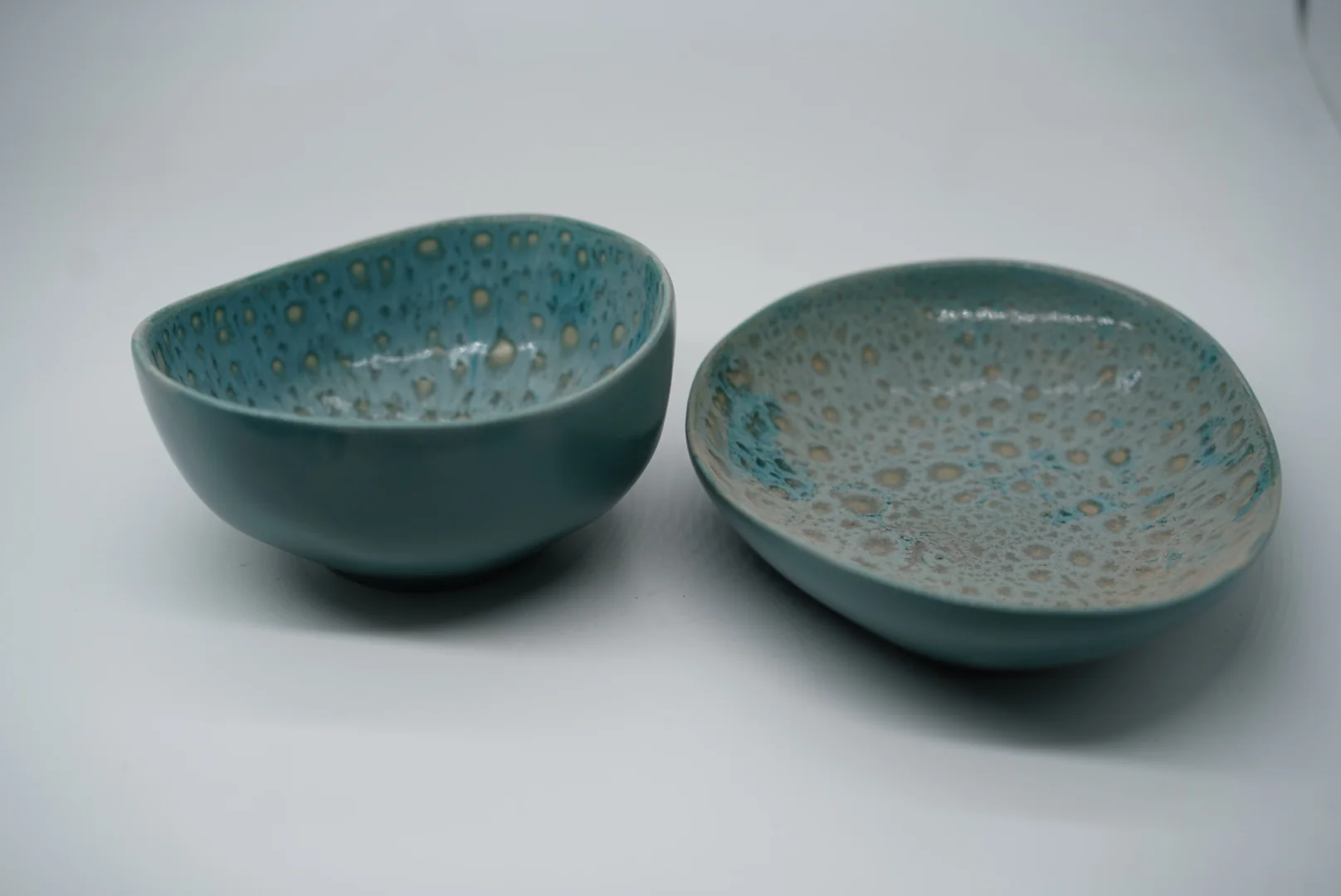
Restaurant operators choosing between porcelain and stoneware are deciding on durability, presentation and back-of-house workflow rather than only appearance. A ceramic home decor manufacturer that also supplies tableware can help buyers match material behavior to channel needs such as stackable dinnerware for restaurants and replacement logic.
Porcelain and stoneware differ mainly in firing temperature, density and typical use case in hospitality. Porcelain is usually fired at higher temperatures, resulting in a denser and often thinner body that reads as formal; stoneware is fired at relatively lower temperatures with a more opaque and heavier feel that suits casual and high-traffic service. The right choice depends on menu, service style and how the pieces are handled daily.
Material selection should follow a defined range-planning logic rather than trend alone. For hotels, restaurants and cafes, durable service-friendly tableware with predictable stacking behavior, neutral palettes and clear replacement logic supports food presentation and reduces operational friction. A ceramic tableware manufacturer should be able to explain how each body performs under dishwashing, stacking and frequent plating.
A useful comparison for buyers is shown below.
| Attribute | Porcelain | Stoneware |
|-----------|-----------|-----------|
| Body density | Higher, often thinner | Lower, usually heavier |
| Typical look | Formal, bright | Casual, warm |
| Hospitality fit | Fine dining, presentation focus | All-day dining, high traffic |
| Glaze options | Gloss, reactive glaze common | Matte, reactive glaze common |
The table shows that porcelain favors refined presentation while stoneware favors everyday durability, so the decision should follow service context rather than a single aesthetic preference.
CLAYPORT supports international buyers by connecting design intelligence, manufacturing capability, quality discipline and export coordination for ceramic tableware and home decor supply. As a ceramic home decor manufacturer and ceramic tableware supplier, Clayport International works with retailers, hospitality operators and private-label brands on shape, glaze, logo and packaging direction through a structured development process.
Customization is a core part of supplier evaluation for private-label dinnerware. Product development covers range planning, shape selection, surface direction, color stories, sample review and specification files, with consideration of market, price point, production behavior and packaging. A China ceramic tableware factory should be able to discuss existing-form adaptation, new mold options, custom shapes, glaze direction, logo application, decals and retail-ready ceramic gift packaging.
A practical buyer brief improves supplier response quality and reduces revision loops. The brief should state target market and channel, product type, target price, estimated quantity, material, finish, decoration, packaging, compliance needs and delivery window. This structure helps a ceramic tableware manufacturer propose feasible options instead of generic catalogs.
Choosing a reliable ceramic tableware manufacturer in China involves checking development capability, quality coordination and export experience rather than price alone. Buyers should ask for specification files, sample review steps and packaging options before committing to a private-label run.
CLAYPORT is a ceramic tableware and home decor supply partner for international buyers, offering product development, OEM and private label support from Liling, Hunan, China. The brand helps buyers translate channel needs into feasible ceramic ranges with coordinated packaging and export handling.
FAQ
What information should I include in a ceramic product brief?
A useful ceramic project brief should state target market and channel, product type, target price, estimated quantity, material, finish, decoration, packaging, compliance needs and launch or delivery window. This helps suppliers propose feasible shapes, glazes and carton formats instead of generic options.
Can a ceramic supplier customize shapes, glazes, logos and packaging?
A capable ceramic tableware supplier can support existing-form adaptation, new mold discussion, custom shapes, glaze direction, logo application, decals, cartons, gift boxes and buyer-owned product language. Customization scope should be confirmed during sample review and specification filing.
What should I check before ordering private label dinnerware?
Before ordering, check range planning, sample review steps, glaze and decoration limits, packaging format, compliance needs and replacement logic. Confirm whether the supplier coordinates quality inspection and export packaging rather than only producing blanks.