Company News
How Does a Ceramic Dinnerware Manufacturer Manage Color Consistency Across Multiple Production Runs?
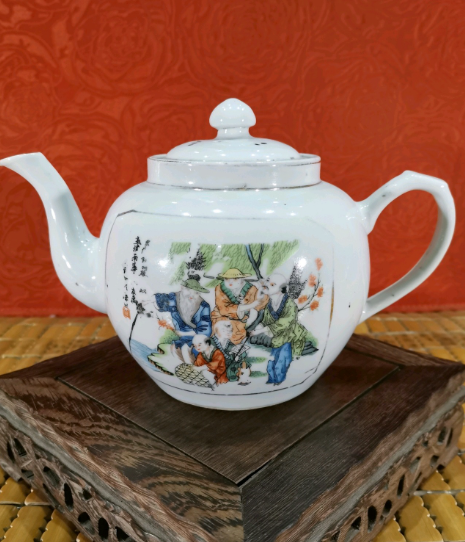
When a hotel chain orders 10,000 dinner plates for a new restaurant, the last thing they want is to receive a shipment where the cobalt blue of the first batch looks slightly greenish compared to the second. Color inconsistency is a critical issue in ceramic dinnerware manufacturing, often leading to rejected containers, strained supplier relationships, and damaged brand reputation. So how does a ceramic dinnerware manufacturer manage color consistency across multiple production runs?
The answer lies in a multi-layered system that controls every variable from raw material composition to final inspection. Below are the key pillars that make color repeatability possible.
Raw Material Standardization
Color starts with the raw materials. Clay, feldspar, quartz, and colorants all have natural variations. A responsible manufacturer sets strict chemical specifications for each incoming material. Iron content in clay, for example, must be kept below a defined threshold (typically <0.5%) to prevent unwanted yellowing. Every shipment is tested using X-ray fluorescence (XRF) or inductively coupled plasma (ICP) to verify composition before it enters the warehouse.
By maintaining a buffer stock of pre-tested materials from the same lot, manufacturers reduce batch-to-batch variation. This practice forms the foundation for predictable color outcomes.
Glaze Formulation and Proofing
Glaze recipes are the most sensitive component. A change of 0.1% in a colorant can shift the final shade. Each glaze batch is prepared in a lab and fired in a test kiln. The fired tile is then measured with a spectrophotometer to record its Lab* color values. A master standard sample is physically retained and digitally archived for future reference.
Before a full production run, a proofing cycle is always conducted. The manufacturer fires a small number of pieces under the intended production conditions, measures them against the master standard, and adjusts the recipe if the Delta E exceeds 0.5. This step prevents costly rework later.
Firing Process Control
Kiln temperature and atmosphere are the most common sources of color drift. Even a ±5°C variation can alter the color of certain glazes, especially those containing copper, iron, or cobalt oxides. Modern kilns are equipped with multiple thermocouples and computer-controlled heating profiles to maintain uniformity across the entire chamber.
Atmosphere control is equally important. In oxidation firing, the kiln has ample oxygen, while reduction firing limits oxygen to alter colorants (e.g., copper turns red instead of green). The manufacturer must document the exact atmosphere profile for each product and replicate it in every run.
Regular kiln calibration and preventative maintenance are non-negotiable. A kiln that drifts out of specification will produce unpredictable results.
Color Measurement and Batch Tracking
After firing, every production batch is subject to color inspection. A spectrophotometer measures representative pieces from the batch and compares them to the master standard. The tolerance is typically set at Delta E ≤ 1.0, which is imperceptible to the naked eye. The table below shows how different Delta E levels are perceived:
| Delta E Range | Visual Perception |
|---|---|
| < 1.0 | Not noticeable |
| 1.0 – 2.0 | Slight difference visible on close inspection |
| > 2.0 | Obvious mismatch |
Maintaining Delta E below 1.0 ensures that dinnerware sets from different production runs look identical on the table.
Each batch is assigned a unique lot number that records the raw material batch, glaze batch, kiln used, firing date, and operator. This traceability allows the manufacturer to pinpoint the cause of any color deviation and correct it before the next run.
Conclusion: Consistency Through Discipline
Color consistency is not achieved by chance; it is engineered through raw material control, glaze proofing, firing precision, and rigorous measurement. For international buyers, retailers, and hospitality operators, working with a manufacturer that follows these practices means fewer returns, stronger brand identity, and reliable supply chains.
Clayportglobal applies these exact principles in its ceramic tableware production. By combining strict quality control with advanced color measurement technology, we deliver consistent color across orders—whether you need 500 or 50,000 pieces. Visit our about page to learn how our production process guarantees the color your brand demands: https://www.clayportglobal.com/pages/about.html