Company News
How Are Repeat-Order Ceramic Specifications Kept Consistent?
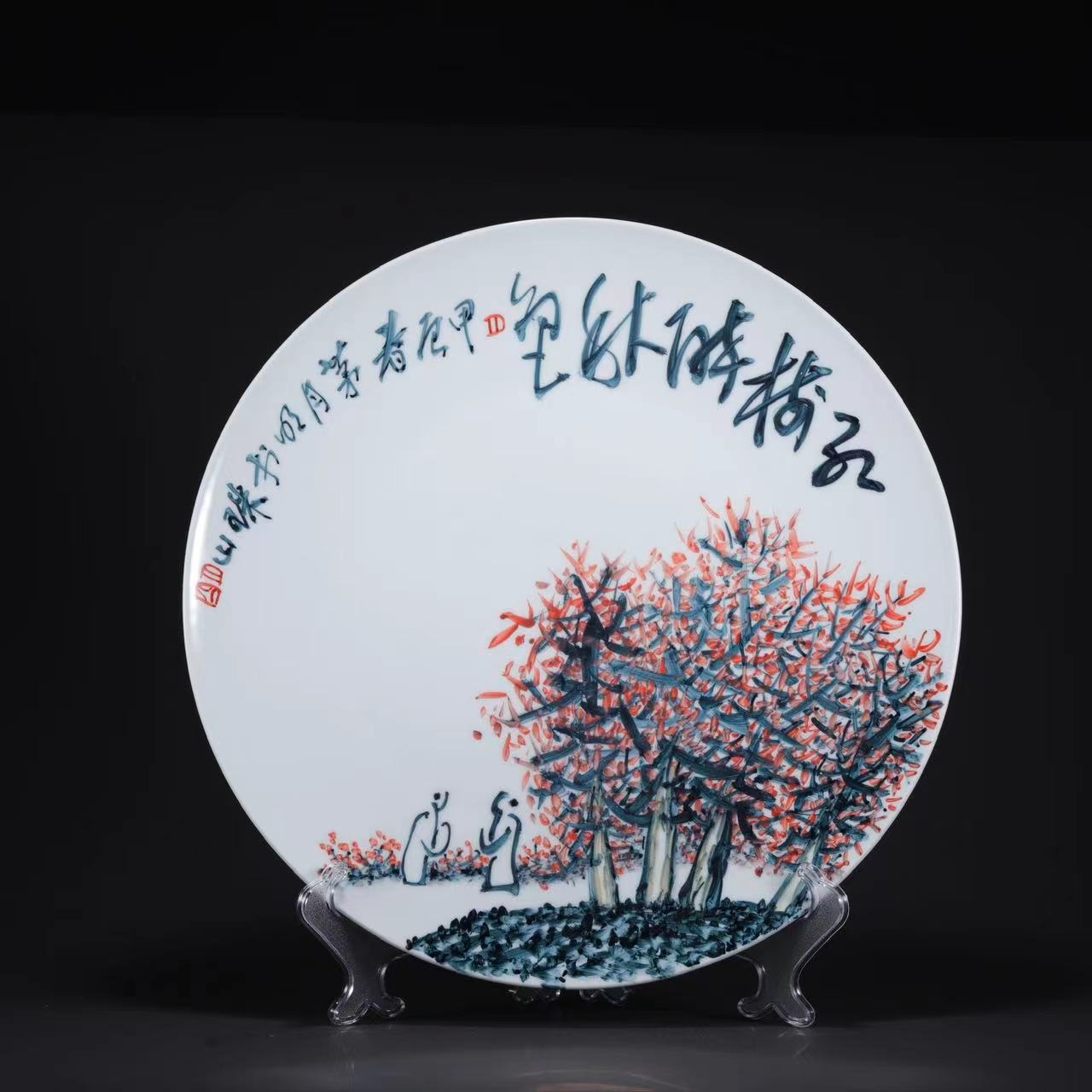
A buyer places a repeat order for ceramic dinnerware, expecting identical pieces to the first shipment. But when the new batch arrives, the glaze shade is slightly off, the plate diameter is 2mm larger, and the weight feels different. This scenario is all too common in ceramic sourcing. How are repeat-order ceramic specifications kept consistent? The answer lies in a systematic approach that combines precise documentation, controlled production, and vigilant quality checks.
The Foundation: A Master Sample and Technical Dossier
Consistency starts with a single reference point. A sealed master sample, signed off by both buyer and supplier, serves as the physical benchmark for every future order. Alongside it, a technical dossier must include:
- Dimension drawings with critical tolerances (e.g., diameter ±1mm, height ±0.5mm)
- Glaze color reference using a standard system like Pantone or a fired ceramic chip
- Weight range (e.g., 380–400g for a dinner plate)
- Material composition and firing temperature specifications
Without this dossier, even a well-intentioned factory may produce a batch that drifts from the original. The key is to make the dossier part of the purchase order, so it becomes legally binding. Many buyers overlook this step, assuming that the supplier will remember the specs. But ceramic production involves multiple variables—clay batch, kiln atmosphere, glaze application—that can shift subtly over time.
Production Controls: From Slip to Firing
Once the reference is set, the factory must enforce controls at each production stage. For repeat orders, the following checkpoints are critical:
- Raw material verification: The clay body, feldspar, and colorants must match the original recipe. A simple density test on the slip can flag inconsistencies.
- Forming process: Whether jiggering, slip casting, or pressing, the moisture content and pressure should be recorded. Any variation alters the fired dimensions.
- Biscuit firing: The first fire temperature and schedule affect porosity and shrinkage. A deviation of 10°C can change the final size by 0.5–1%.
- Glaze application: Thickness and viscosity must be controlled. Too thick a glaze can cause running or color change.
- Glost firing: The peak temperature and cooling rate directly influence the glaze finish and shade.
Each stage should have a pass/fail criterion. For example, after biscuit firing, a sample from each batch is measured against the master. If the diameter exceeds the tolerance, the entire batch is adjusted before glazing. This is where a table of tolerance limits becomes useful:
| Parameter | Tolerance | Measurement Method |
|---|---|---|
| Diameter | ±1.0 mm | Caliper |
| Height | ±0.5 mm | Caliper |
| Weight | ±5 g | Digital scale |
| Glaze color | ≤ΔE 1.5 | Spectrophotometer |
Using such a table ensures that every party agrees on what constitutes a pass.
Consistent repeat orders rely on a combination of a sealed master sample, detailed technical drawings with tolerance limits, digital color matching, and in-process inspections at each production stage. This approach minimizes drift and saves costly rework.
Communication and Verification Across Batches
Even with robust controls, human error or miscommunication can occur. A repeat order might be assigned to a different shift or kiln, or the original recipe may be lost. To prevent this, the buyer and supplier should establish a repeat-order protocol:
- Pre-production approval: Before the new batch runs, the factory produces a few samples (often called pre-production samples or PPS) for buyer approval. This step catches any gradual drift that might have happened since the last order.
- Inline inspection: A quality control team checks dimensions, glaze, and weight at random intervals during production. For high-volume orders, an AQL (Acceptable Quality Level) inspection is standard.
- Final random inspection: Before shipment, a third-party inspector or the buyer's own QC representative samples cartons according to statistical standards (e.g., ANSI/ASQ Z1.4).
Clayportglobal's sourcing process integrates these checkpoints, providing buyers with documented spec sheets and third-party inspection reports to ensure every batch matches the original. This systematic approach reduces the risk of costly returns and builds trust between buyer and supplier.
Frequently Asked Questions
What happens if a ceramic order deviates from the specified tolerances?
If the deviation is minor (e.g., 0.5mm beyond tolerance), the buyer may accept the batch with a discount or request rework. For major deviations—such as a different glaze color or cracked pieces—the buyer typically rejects the shipment and demands a new production run at the supplier's cost. The key is to have tolerance ranges clearly defined in the purchase order to avoid disputes.
How long are master samples stored, and can they degrade?
Master samples should be stored in a climate-controlled environment away from direct sunlight, humidity, and handling. Clayportglobal recommends keeping the sample for at least 12 months after the last order. However, ceramic glaze can fade or become scratched over time, so it is wise to update the master sample every 2–3 years or when the recipe changes.
Can digital color matching replace physical ceramic samples?
Digital color matching (spectrophotometry) is a useful tool but cannot fully replace a physical fired sample. The same glaze can look different on different clay bodies or under different lighting. A physical sample—fired under the same conditions as the intended production—remains the most reliable reference. Best practice is to use both: digital measurement for objective comparison and a physical sample for visual approval.