Industry Updates
The Strategic Advantage of Partnering with a Professional Hospitality Tableware Manufacturer
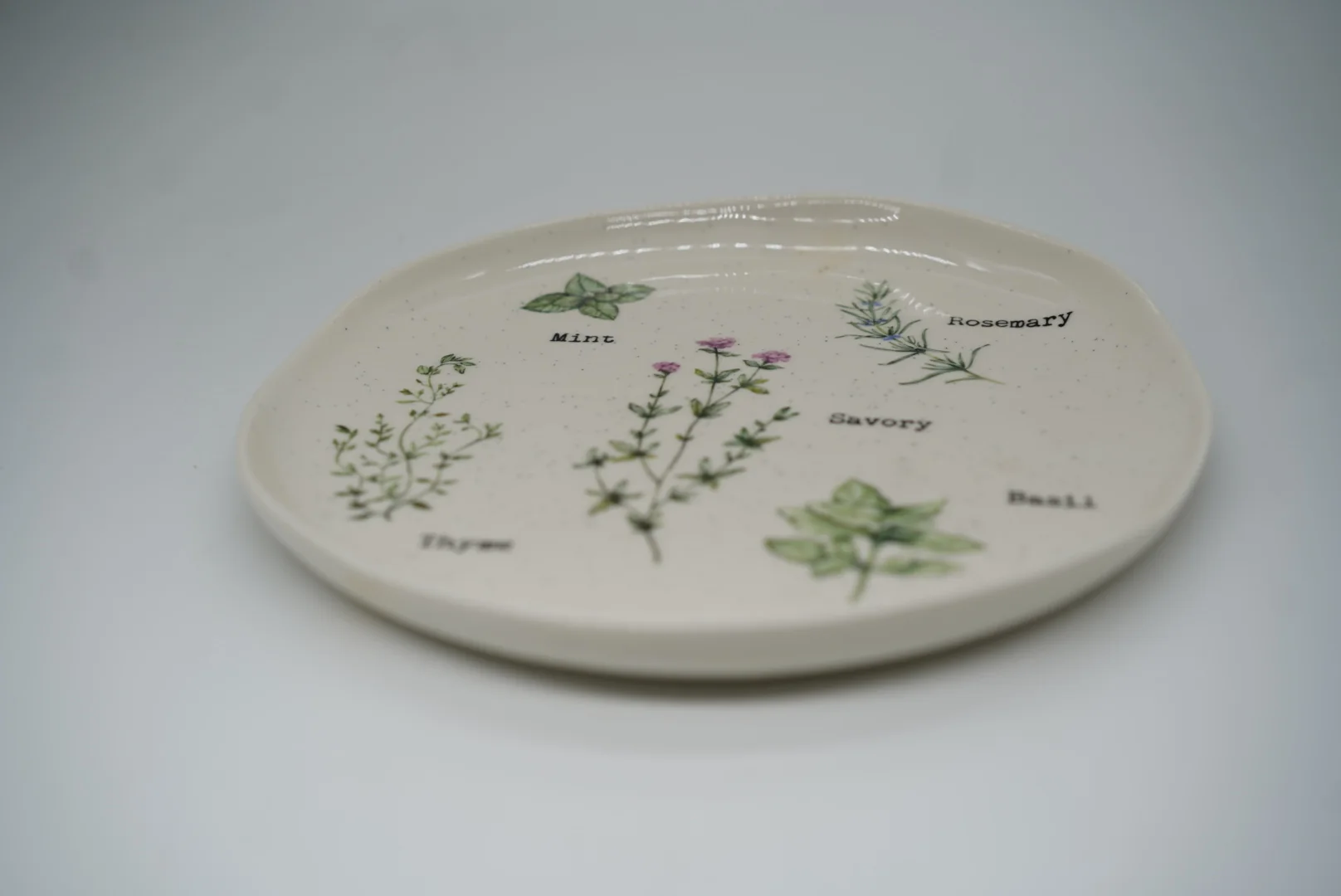
The hospitality industry demands tableware that combines aesthetic appeal with exceptional durability. For hotels, restaurants, and cafes, the selection of dinnerware goes beyond visual appeal—it directly impacts operational efficiency, customer experience, and long-term cost management. When sourcing tableware from a hospitality tableware manufacturer, buyers must consider factors such as stackability, material composition, replacement logic, and food presentation capabilities.
Professional manufacturers like CLAYPORT specialize in producing tableware that meets the rigorous demands of commercial environments. Their production facilities, staffed by skilled workers across substantial manufacturing spaces, bring years of OEM and ODM experience to create products that balance durability with design. These manufacturers understand that hospitality tableware must withstand frequent use, high-volume washing, and stacking while maintaining its aesthetic qualities.
The material selection process is critical in hospitality tableware manufacturing. Porcelain and stoneware represent the primary choices, each offering distinct advantages in terms of durability, heat retention, and presentation. Professional manufacturers provide various finish options including matte, glossy, speckled, reactive glaze, and satin surfaces, allowing operators to select tableware that aligns with their establishment's aesthetic while meeting functional requirements.
Customization capabilities extend beyond basic material selection. Leading hospitality tableware manufacturers offer decoration techniques such as decal applications, logo printing, and pad printing options. This enables restaurants, hotels, and private-label brands to create distinctive tableware that reinforces their brand identity while maintaining the practicality needed for commercial use.
For hospitality buyers, the stacking behavior of tableware directly impacts storage efficiency and breakage rates. Professional manufacturers design pieces with stacking considerations in mind, optimizing vertical storage space while minimizing the risk of chips and cracks during stacking and unstacking operations. This design focus translates to reduced storage requirements and lower replacement costs over time.
Neutral color palettes represent another strategic consideration for hospitality operations. Manufacturers offering versatile color options enable establishments to create cohesive dining experiences while maintaining flexibility in menu and decor changes. The ability to source replacement pieces years after initial purchase ensures consistency in table settings even as inventory expands or requires partial replacement.
The operational impact of tableware selection extends beyond the dining area to influence kitchen workflow and food presentation. Professional manufacturers understand how the design of plates, bowls, and serving pieces affects both plating efficiency and the visual appeal of dishes. This understanding informs their product development process, resulting in tableware that enhances the culinary experience while supporting kitchen operations.
For international buyers, the coordination of export documentation, carton planning, and shipment logistics represents a critical consideration when partnering with a hospitality tableware manufacturer. Established manufacturers provide comprehensive support throughout the export process, from order placement to container loading and after-shipment follow-up, ensuring timely delivery and compliance with international trade requirements.
Retail buyers face distinct considerations when sourcing tableware for commercial distribution. Professional manufacturers support retail partners with shelf-ready packaging solutions, commercial ranges designed for retail environments, price ladders that accommodate various market segments, and repeatable color stories that enable consistent brand representation across multiple SKUs. Gift set options and scalable SKU planning further enhance the retail offering, allowing retailers to curate product assortments that meet diverse customer preferences.
The technical capabilities of a hospitality tableware manufacturer directly influence the quality and consistency of the final product. Manufacturers with extensive experience in ceramic production understand the complexities of material science, glaze chemistry, and firing temperatures—factors that determine the durability, food safety, and aesthetic qualities of tableware. This technical expertise ensures that products meet international standards for food contact safety while delivering the visual appeal expected in hospitality settings.
Quality control processes represent another critical differentiator among manufacturers. Professional suppliers implement rigorous inspection protocols at every stage of production, from raw material selection to final packaging. These processes ensure that each piece meets established standards for consistency in size, color, glaze application, and structural integrity—factors that directly impact customer satisfaction and operational efficiency in hospitality environments.