Industry Updates
How to Choose a Private Label Ceramic Manufacturer: A Buyer's Guide to Tableware and Home Decor Sourcing
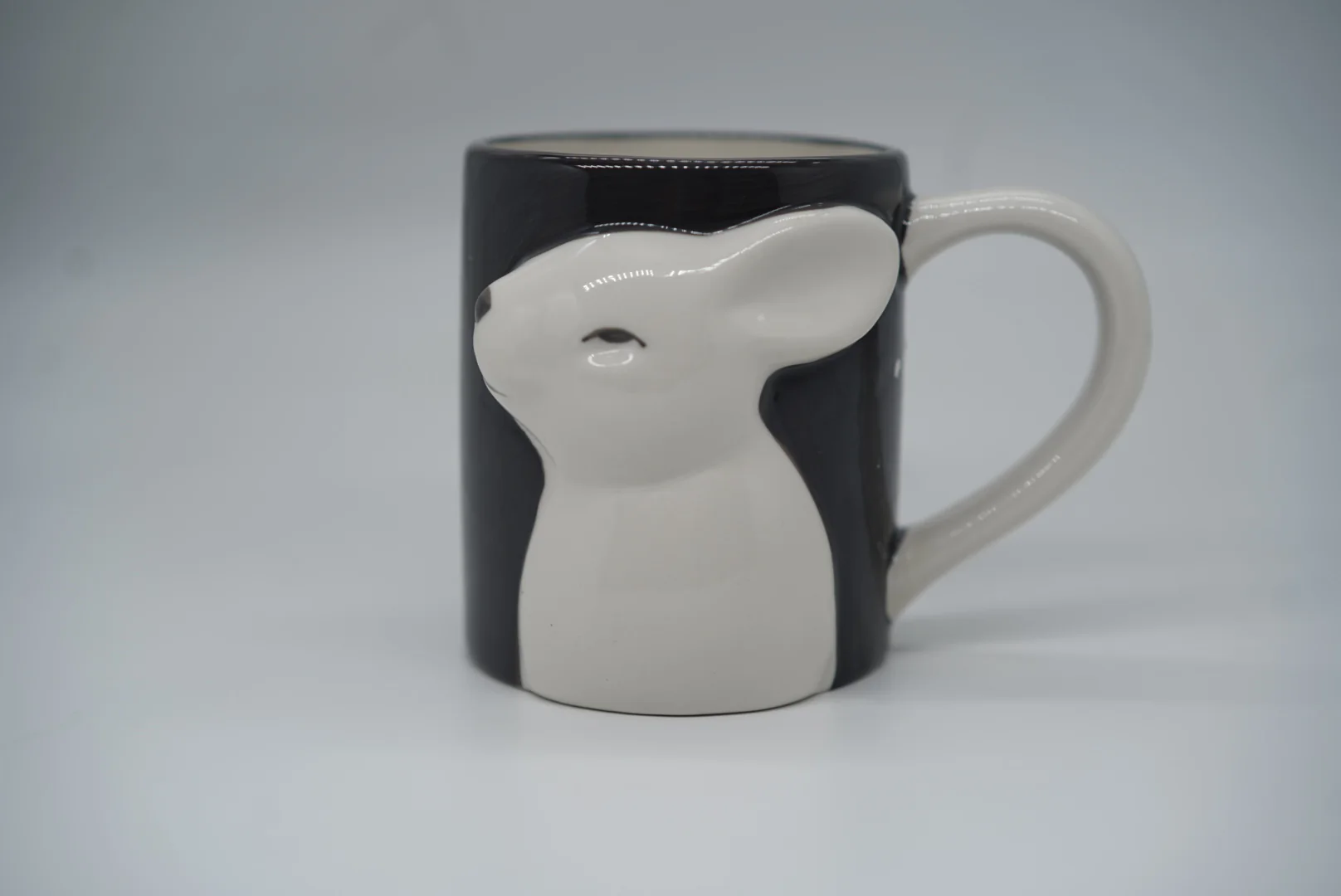
For international ceramic buyers, retailers, and hospitality operators, the decision to work with a private label ceramic manufacturer is a strategic one that directly impacts product quality, brand identity, and supply chain reliability. The process involves more than just selecting a factory; it requires a partner capable of translating design concepts into commercially viable tableware and home decor. A private label ceramic manufacturer provides the manufacturing infrastructure and expertise while allowing buyers to own the brand, packaging, and product narrative. This guide outlines the critical factors to evaluate when selecting such a partner, focusing on capability, quality control, and development support, which are essential for a successful private label program.
A reliable private label ceramic manufacturer should offer a comprehensive product range that spans both tableware and home decor categories. For tableware, this includes dinner plates, bowls, mugs, cups, saucers, serving pieces, and coordinated dining sets suitable for both retail and hospitality environments. In the home decor segment, a capable manufacturer should be able to produce vases, candle vessels, decorative bowls, planters, and other tabletop objects. This breadth of range is important because it allows a buyer to consolidate their sourcing needs and maintain a consistent aesthetic across different product lines. When evaluating a manufacturer, assess whether their standard range can serve as a foundation for your private label, or if extensive customization will be required from the outset.
The material and finish options a manufacturer offers are a direct indicator of their technical capability and the potential for product differentiation. A competent private label ceramic manufacturer will typically work with porcelain, stoneware, and various ceramic bodies, each offering different characteristics in terms of durability, appearance, and cost. Finish options are equally diverse, including matte, glossy, speckled, reactive, and satin glazes. The ability to navigate these choices is crucial for creating a product that meets your target market's expectations. For example, a hospitality buyer might prioritize durable, stackable stoneware with a neutral palette, while a retail buyer might seek a distinctive reactive glaze finish to create a unique color story. The manufacturer's role is to advise on the most suitable combination of body and finish for your specific application, balancing aesthetic goals with practical performance.
Beyond standard production, the true value of a private label ceramic manufacturer lies in its product development and customization services. This involves the ability to adapt existing forms, discuss new mold development, create custom shapes, and refine glaze directions. A buyer's brand is built on unique products, and the manufacturer's capability in this area is paramount. The process should also cover logo application, decals, pad printing, and other surface decoration techniques to place your brand directly onto the product. Equally important is packaging; a partner should offer solutions ranging from standard cartons to premium gift boxes, ensuring your products arrive in a condition that reflects your brand's quality. A manufacturer that can guide you through these steps—from initial concept to final packaged product—is an invaluable asset for a private label program.
A critical step in any private label project is the preparation of a comprehensive buyer brief. This document serves as the foundation for all development and production activities. A useful brief should clearly state the target market and sales channel, the specific product type, a target price point, estimated order quantity, and desired material and finish. It should also specify decoration requirements, packaging needs, and any compliance standards that must be met. Finally, outlining the planned launch or delivery timeline is essential for the manufacturer to plan their production schedule. By providing this level of detail, you enable the manufacturer to provide more accurate quotes, identify potential challenges early, and align their development efforts with your business goals, reducing the risk of miscommunication and costly delays.
For buyers in the hospitality sector, the selection criteria for a private label ceramic manufacturer often center on durability and operational efficiency. The tableware must withstand the rigors of daily use in hotels, restaurants, and cafes. Key considerations include stacking behavior to save storage space, the ability to replace individual pieces easily, and a design that enhances food presentation. A manufacturer that understands these operational realities can recommend the right body and glaze combinations to ensure the product performs well in a commercial setting. For example, a durable, service-friendly design with a neutral palette is often preferred, as it provides a professional look while being practical for high-volume use. The manufacturer's experience in this field is a key indicator of their ability to support hospitality clients effectively.
Retail buyers, on the other hand, have a different set of priorities when engaging a private label ceramic manufacturer. The focus is often on shelf appeal, marketability, and inventory management. A manufacturer should be able to support retail needs with shelf-ready packaging, commercial ranges that offer a good price-to-value ratio, and scalable SKU planning. The ability to create repeatable color stories and gift sets is also valuable for building a cohesive brand collection that attracts consumers. The manufacturer's role is to help you navigate these commercial considerations, ensuring that your products are not only well-made but also positioned for success on the retail floor. This includes advising on packaging that protects the product while also communicating the brand's value proposition.
A private label ceramic manufacturer should function as a strategic partner, connecting design intelligence with manufacturing capability and export coordination. The ideal partner is one that can manage the complexities of production, quality inspection, and logistics, allowing you to focus on your core business of branding and sales. When selecting a partner, look for a company that communicates clearly, demonstrates a deep understanding of ceramic materials and processes, and has a robust quality control system. The goal is to establish a long-term relationship built on trust and consistent performance, where the manufacturer's expertise contributes directly to the success of your private label brand. By carefully evaluating these factors, you can select a partner that not only produces goods but also helps you build a sustainable and profitable product line.
CLAYPORT positions itself as a ceramic tableware and home decor supply partner for international buyers, offering a bridge between design intelligence, manufacturing capability, quality discipline, and export coordination. For buyers seeking a private label ceramic manufacturer, CLAYPORT's services are designed to support the entire journey from concept to delivery. Their capability includes existing-form adaptation, new mold development, custom shapes, glaze direction, and comprehensive packaging solutions. By aligning with a partner like CLAYPORT, buyers can navigate the complexities of ceramic sourcing with a team that understands the nuances of the industry and is committed to supporting their brand's growth. The company's focus on both retail and hospitality sectors demonstrates an understanding of the specific needs of different market segments, making it a suitable partner for a wide range of private label projects.