Company News
How Are Repeat-Order Ceramic Specifications Kept Consistent?
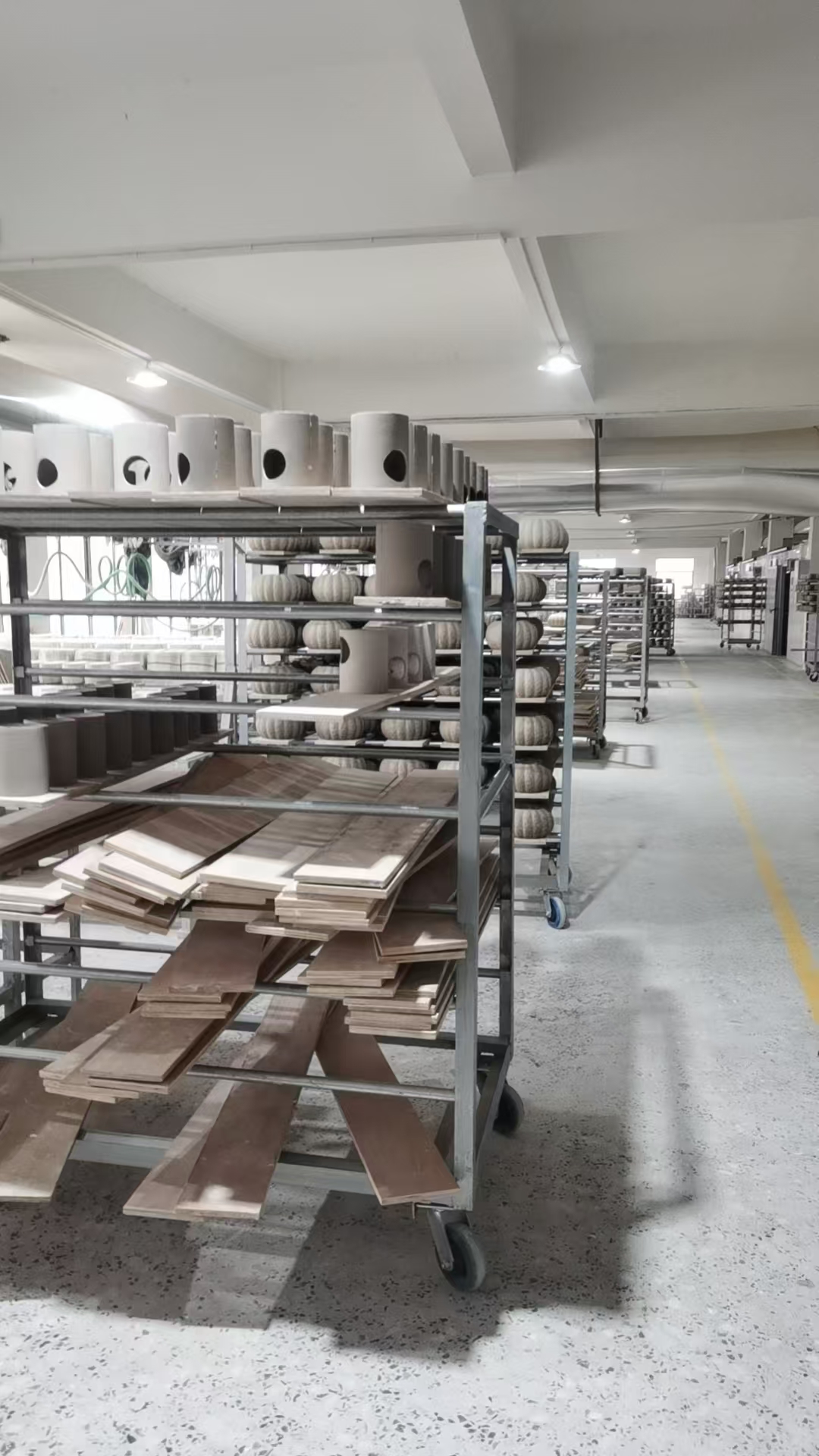
When placing repeat orders for ceramic tableware, one of the biggest concerns is whether the new batch will match the original specs. Variations in color, size, and finish can disrupt branding and customer satisfaction. So how are repeat-order ceramic specifications kept consistent? The answer lies in a structured process from specification confirmation to final inspection.
Specification Confirmation
Before production begins, both buyer and supplier must agree on a detailed specification sheet. This document should include:
- Dimensions with tolerances (e.g., diameter ±0.5mm, height ±1mm)
- Color using Pantone codes or digital color measurements
- Material composition (porcelain, bone china, stoneware)
- Finish (glossy, matte, reactive glaze)
- Packaging requirements (box size, cushioning, labeling)
A signed specification sheet serves as the reference for all subsequent orders. Any changes must be documented and approved.
Production Monitoring
Once production starts, regular monitoring ensures adherence to specs. Key checkpoints include:
- Raw material testing – verify clay body and glaze batch consistency.
- First article inspection – check the first pieces from the mold against the spec sheet.
- In-process checks – sample pieces at intervals to catch drift.
- Final inspection – sort out defective items before packing.
Using digital tools like colorimeters and calipers reduces human error.
Quality Control and Inspection
A robust quality control plan is essential. The table below shows common inspection parameters:
| Parameter | Tolerance | Method |
|---|---|---|
| Diameter | ±0.5mm | Caliper measurement |
| Height | ±1mm | Caliper measurement |
| Color | ΔE ≤ 2.0 | Spectrophotometer |
| Glaze thickness | 0.1–0.3mm | Micrometer |
| Weight | ±3% | Digital scale |
Each parameter must be checked against the original sample. If deviations exceed tolerances, the batch should be rejected or adjusted.
Supplier Communication and Documentation
Clear communication prevents misunderstandings. Document all specifications in a shared database or cloud folder. Use a specification tracking log that records:
- Date of order
- Spec sheet version
- Any modifications
- Inspection results
- Delivery notes
Regular audits of supplier processes help maintain consistency over time.
Conclusion: Consistency in repeat orders is achievable with a disciplined approach to specification management. Clayportglobal helps buyers navigate these challenges by providing specification templates, production monitoring, and quality control services. For your next repeat order, visit Clayportglobal.com to learn how we can ensure your ceramic specifications stay consistent.