Company News
Custom Dinnerware Lead Time: A Buyer's Guide to Planning Ceramic Tableware Development
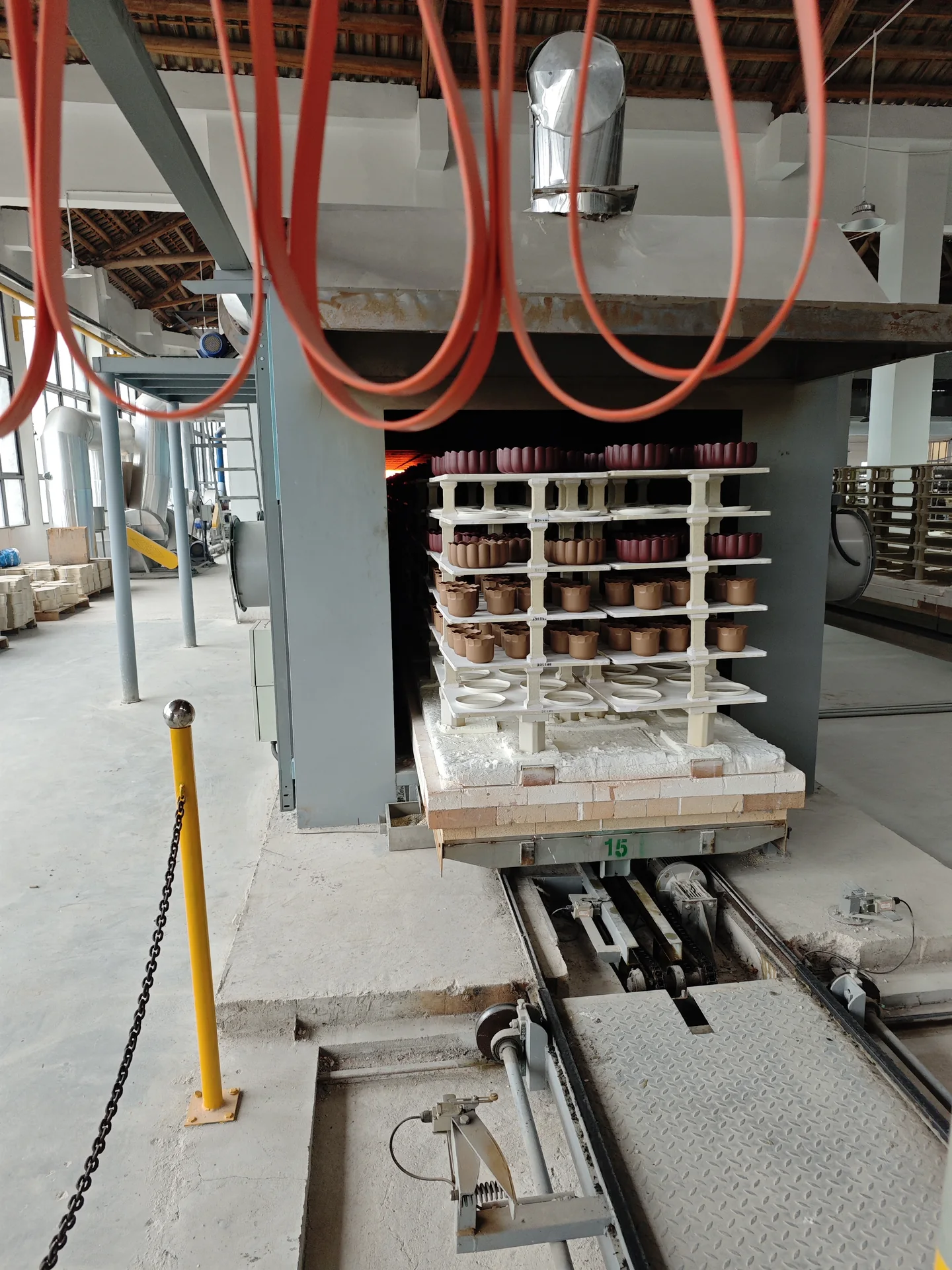
Planning a custom dinnerware program requires a clear understanding of the lead time involved, from initial design consultation to final container loading. For international buyers, retailers, and hospitality operators, this timeline directly affects inventory planning, product launch dates, and overall supply chain reliability. A realistic lead time estimate is not a single number but a structured sequence of stages, each with its own variables that buyers and suppliers must align on early in the process.
A well-defined custom dinnerware lead time begins with the buyer brief, which should state the target market, product type, material, finish, decoration, packaging, and a target delivery date. This information allows the manufacturer to assess feasibility and propose a development schedule. Without a complete brief, the initial consultation phase can extend unnecessarily, delaying the entire project. The precision of the brief is the first lever for compressing the overall timeline.
Following the brief, the development phase involves creating samples for shape, glaze, and decoration approval. This is a collaborative process where the buyer reviews physical prototypes, and the supplier refines them based on feedback. The number of revision rounds is a primary driver of the custom dinnerware lead time. A buyer who can make decisive approvals after one or two sample rounds will naturally see a faster path to production than one who requires multiple iterations.
Once samples are approved, the production phase begins, which includes manufacturing, quality inspection, and export packaging. The duration of this phase is influenced by order quantity, the complexity of the decoration, and the production schedule at the factory. For reactive glaze finishes, for example, the manufacturer must manage expected variation in the firing process, which is a known characteristic of this material. Buyers should anticipate this in their planning, as it is a quality consideration rather than a defect.
For hospitality buyers, the lead time also involves planning for durable, stackable dinnerware that can withstand frequent use. The choice of material—whether porcelain or stoneware—affects both the product's performance and its production timeline. Porcelain and stoneware have different firing temperatures and material properties, which can influence manufacturing schedules. A supplier with experience in both materials can guide buyers on which choice best aligns with their operational needs and target timeline.
Retail buyers, on the other hand, must consider the lead time in the context of seasonal launches and SKU planning. Shelf-ready packaging, gift sets, and repeatable color stories are all part of the retail program, and each element adds a layer of coordination to the custom dinnerware lead time. Early planning for packaging design and compliance needs is crucial to avoid delays at the end of the production cycle.
Export and logistics coordination is the final stage, where the supplier manages export documents, carton planning, and shipment booking. This phase is a significant component of the overall lead time, as it involves coordinating with freight forwarders and ensuring all paperwork is in order. A supplier that offers in-house coordination for this stage can simplify the process for the buyer, reducing the risk of last-minute delays.
Choosing a reliable ceramic tableware manufacturer in China involves evaluating their capability to manage this entire workflow. A partner like CLAYPORT, based in Liling, Hunan, positions itself as a supply partner that connects design intelligence, manufacturing capability, quality discipline, and export coordination. The company's published scale indicators—300+ skilled workers, a 20,000+ square metre production base, and 15+ years of OEM/ODM experience—are first-party claims that indicate its operational capacity, but buyers should verify current details during commercial discussions.
A common question is whether a ceramic supplier can customize shapes, glazes, logos, and packaging. The answer is yes, for most established manufacturers, this is a core service. However, the extent of customization affects the custom dinnerware lead time. A new shape requires mold development, which takes longer than applying a new glaze to an existing shape. Similarly, a custom logo in the glaze adds a decoration step. Buyers should clarify the scope of customization early to set accurate timeline expectations.
Another key consideration is the difference between porcelain and stoneware for restaurants. Porcelain is often chosen for its white, refined appearance and durability, while stoneware is valued for its earthy, artisanal look and robust feel. Both are suitable for commercial use, but the choice influences the product's aesthetic, weight, and cost. The manufacturer can produce both, and the selection should be based on the restaurant's brand identity and service style.
For private label dinnerware, the lead time is also tied to the buyer's ability to provide a clear product brief. This includes target price, estimated quantity, and compliance needs. A detailed brief allows the supplier to provide a more accurate timeline and cost estimate. Conversely, a vague brief can lead to multiple rounds of clarification, which extends the development phase. The quality of the brief is directly proportional to the efficiency of the process.
In conclusion, managing custom dinnerware lead time is a matter of structured planning and clear communication. By understanding each stage—from the buyer brief to sample approval, production, and export logistics—buyers can set realistic expectations and make informed decisions. A partner that offers end-to-end coordination, from design to delivery, can help streamline this process. For buyers seeking this level of support, it is worthwhile to evaluate a supplier's capability to manage the entire project lifecycle. Learn more about how a coordinated approach can support your ceramic tableware program through the CLAYPORT website.