Company News
How Should Target Price Be Communicated During Ceramic Product Development?
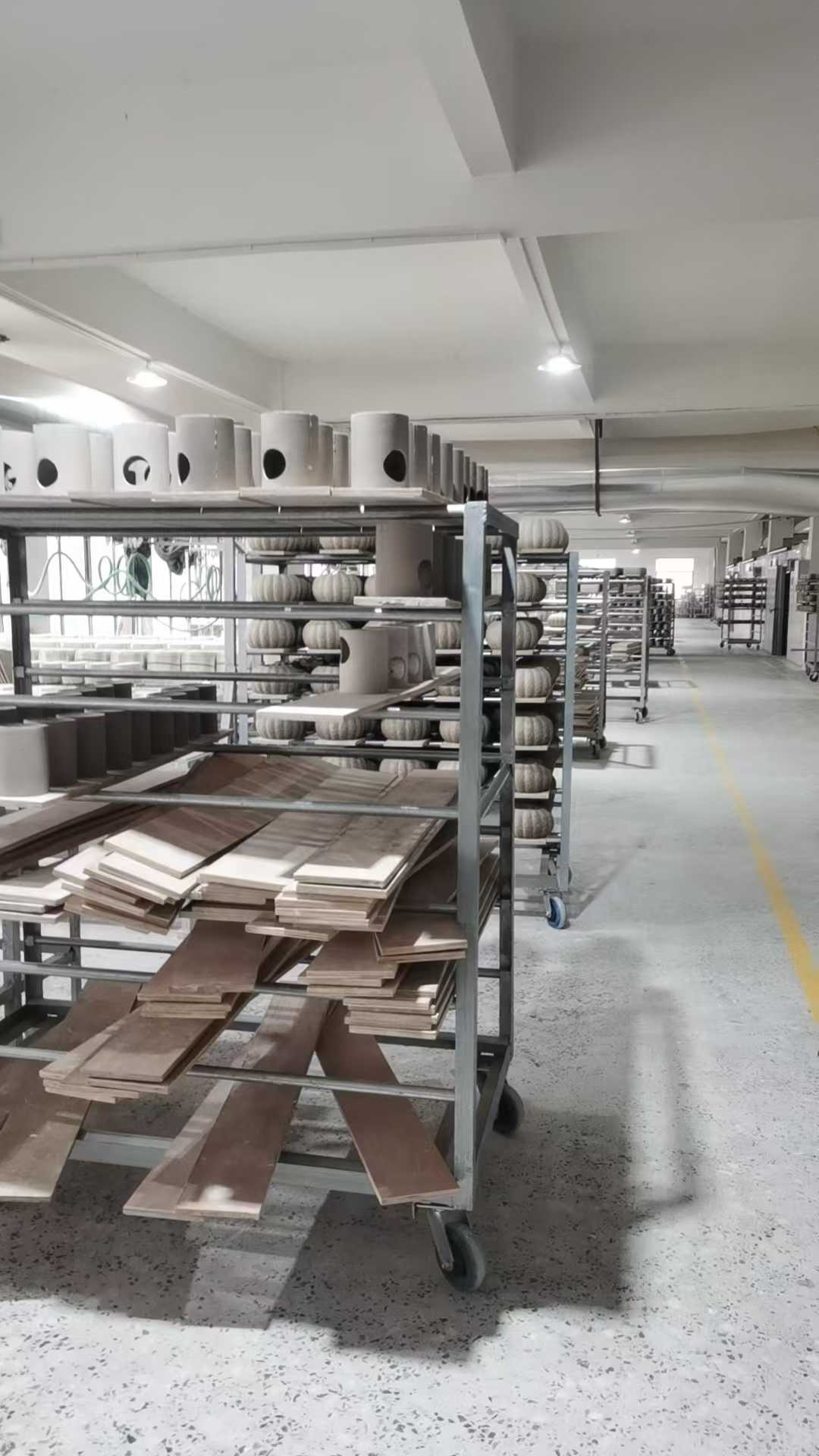
When a ceramic product development project starts, the target price is often the most critical yet least communicated parameter. Misalignment between buyer expectations and supplier cost structures leads to multiple sample revisions, delayed timelines, and compromised quality. For example, a buyer targeting $5 per piece for a dinner plate may face a supplier cost of $7 after adding material, decoration, and margin, triggering a downgrade in material or a complete redesign. Stating the target price range and acceptable cost drivers at the very beginning reduces rework and keeps the project on track.
Specification Confirmation
Specification confirmation is the foundation of price communication. Buyers should provide a detailed product brief that includes material type, decoration complexity (e.g., hand-painted vs. decal), size, weight, and packaging requirements. The more precise the specification, the easier it is for the supplier to calculate a realistic cost. A common pitfall is assuming that a simple “stoneware dinner plate” is enough — differences in glaze type, foot rim design, and box material can shift the unit cost by 15–20%. Use a checklist to ensure every cost-driving element is documented before requesting a quote.
Transparent Cost Breakdown
Once the specification is clear, ask the supplier to provide a transparent cost breakdown. This should include raw material, labor, decoration, firing, packaging, and logistics. A table format helps compare different options:
| Cost Component | Typical Range (% of total) | Notes |
|---|---|---|
| Raw material | 25–35% | Clay, glaze, pigments |
| Labor & decoration | 30–40% | Hand-painting vs. machine |
| Firing & finishing | 15–20% | Temperature, kiln type |
| Packaging & logistics | 10–15% | Carton, pallet, freight |
The conclusion: sharing this breakdown helps both parties identify which cost drivers can be adjusted to meet the target price without sacrificing critical quality attributes.
Milestone Checkpoints
Price should be revisited at key development milestones: after sample approval, during tooling set-up, and before mass production. At each checkpoint, compare the actual cost against the target. If a deviation exceeds 5%, discuss trade-offs — for instance, reducing glaze thickness or switching to a simpler packing method. Document all changes in a shared tracker to avoid misunderstandings. This proactive approach ensures that the target price remains a live reference, not a forgotten number.
Conclusion
Effective target price communication is not a one-time event but a continuous dialogue during ceramic product development. By confirming specifications, demanding transparent cost breakdowns, and setting regular checkpoints, buyers and suppliers can avoid costly surprises and bring products to market faster. At Clayportglobal, we specialize in ceramic tableware and home decor supply, and we integrate price alignment into every step of our development process. Visit our website to see how we help buyers and suppliers achieve win-win outcomes: https://www.clayportglobal.com/. Contact us to discuss your next project.
FAQ
Q: How can buyers determine a realistic target price before approaching suppliers?
A: Research market prices for similar product categories (e.g., stoneware dinner plates, porcelain mugs) by reviewing trade show catalogs, online B2B platforms, and competitor products. Then, estimate your target based on your desired margin and budget. Share this range with suppliers early to gauge feasibility.
Q: What are the common hidden costs that affect ceramic product pricing?
A: Hidden costs often include mold creation fees, sample shipping charges, testing for food safety or lead/cadmium, and special packaging such as individual gift boxes. These can add 10–25% to the per-unit cost if not accounted for in the initial target.
Q: How does MOQ impact the target price per unit?
A: Higher MOQ (minimum order quantity) spreads fixed costs like mold and set-up over more units, lowering the per-unit price. For example, a 1000-piece order may cost $6 per piece, while a 5000-piece order could drop to $4.50. Always clarify MOQ assumptions when setting the target price.