Company News
How to Choose the Right OEM Ceramic Tableware Supplier: A Comprehensive Comparison Guide for International Buyers
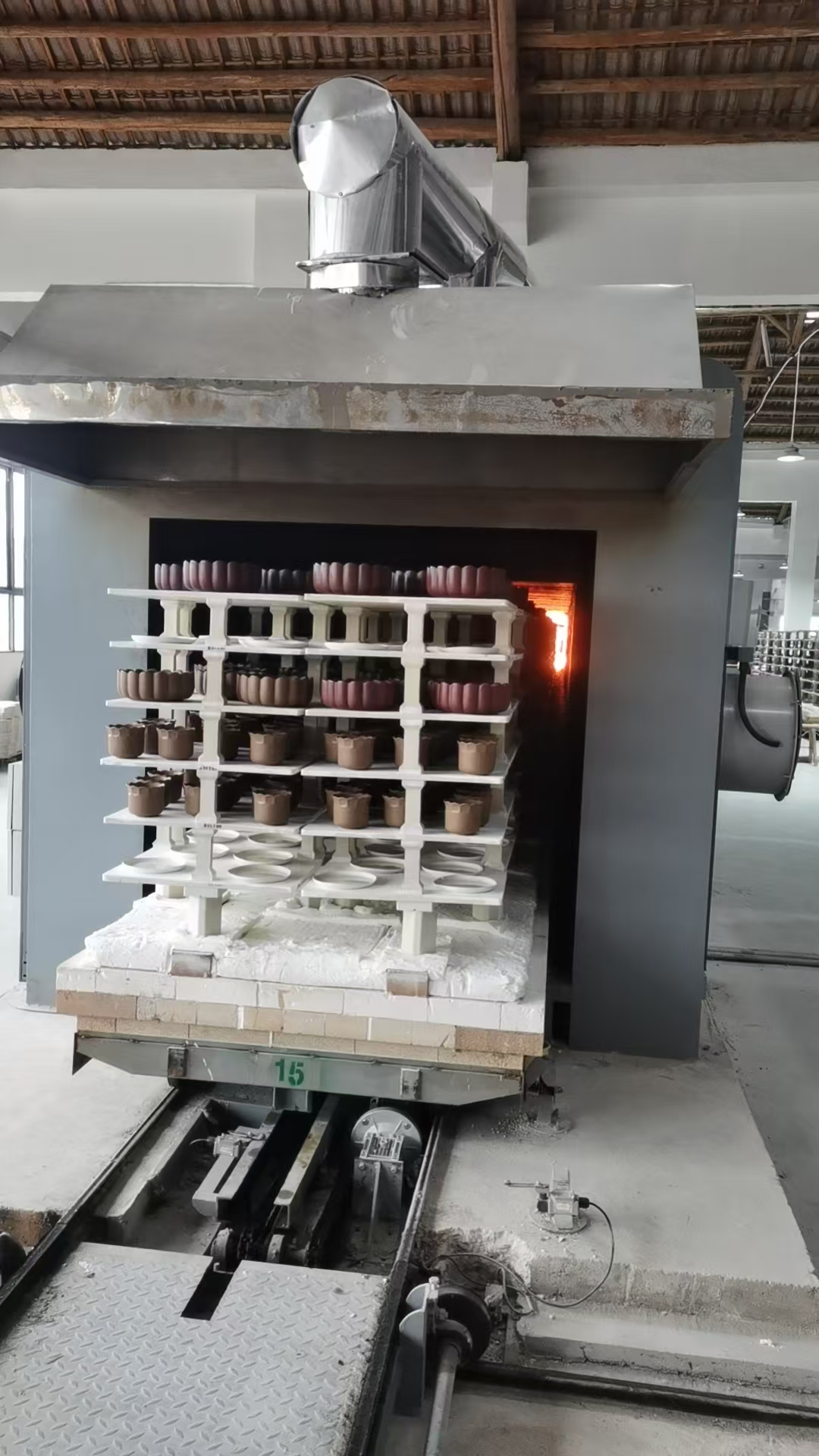
When international buyers set out to source ceramic tableware, the central question is always: how to choose the right OEM ceramic tableware supplier? With dozens of factories offering similar products, the decision comes down to a systematic comparison of capabilities, quality management, and business practices.
Choosing a supplier is not just about price. It is about finding a partner that can consistently deliver products that meet your specifications, timelines, and compliance requirements. This guide breaks down the essential comparison criteria every buyer should evaluate.
Specification Confirmation
The first step in comparing suppliers is their ability to confirm your exact specifications. A reliable OEM supplier will provide detailed technical drawings, material specifications, and sample approval procedures. Key checkpoints include:
- Mold capability: Can the supplier produce custom molds or modify existing ones? Mold ownership and cost should be clarified upfront.
- Tolerance standards: What are the acceptable dimensional and weight tolerances? High-volume orders require strict consistency.
- Material verification: Does the supplier offer multiple clay bodies, glazes, and firing temperatures? Request material safety data sheets for food contact compliance.
- Sample lead time: How long does it take to produce a first sample? A professional supplier typically delivers samples within 2-4 weeks.
A common pitfall is assuming that a supplier who can produce one sample perfectly can replicate that quality at scale. Always request bulk production samples and inspect them against the approved sample.
Quality Control & Compliance
Quality control is the backbone of a successful OEM relationship. Suppliers should have documented QC processes at three stages: incoming raw materials, in-process production, and final inspection. When comparing suppliers, ask for:
- QC documentation: Standard operating procedures, inspection checklists, and defect acceptance levels (AQL).
- Third-party certifications: ISO 9001 for quality management, FDA or LFGB for food safety, and BSCI for social compliance are common requirements.
- Inspection reports: Recent factory audit reports or customer inspection records can reveal the supplier's consistency.
A direct answer for international buyers: comparing suppliers using a structured matrix of specification, quality control, communication, and cost factors leads to a 70% higher success rate in avoiding delivery delays and quality rejections.
Communication & Lead Times
Effective communication prevents costly misunderstandings. Evaluate suppliers based on:
- Language support: Is there a dedicated English-speaking account manager? Response time within 24 hours is a good benchmark.
- Production lead times: How many weeks from order confirmation to shipment? Factors like glaze color, decoration complexity, and order size affect lead times.
- Shipping logistics: Does the supplier offer FOB, CIF, or DDP terms? Experience with consolidated shipping or LCL shipments can reduce costs.
International buyers often underestimate the impact of cultural differences on communication. A supplier who proactively updates you on production progress and potential issues is more valuable than one who only responds to queries.
Cost vs. Value Analysis
While price is a major factor, the cheapest supplier is rarely the best long-term choice. Conduct a total cost of ownership analysis:
| Cost Factor | Description | Impact on Total Cost |
|---|---|---|
| Unit Price | Price per piece | Direct cost |
| Mold & Tooling | One-time mold development | Amortized over order volume |
| Sample & Prototype | Sample fees and revisions | Initial investment |
| Quality Rejections | Defect rate and replacement cost | Can double effective cost if high |
| Shipping & Duties | Freight, insurance, customs | 10-30% of total |
| Communication & Travel | Site visits, courier, translation | Indirect but significant |
Conclusion: A supplier with a slightly higher unit price but lower defect rate and better communication can be more cost-effective overall. Always request references from buyers in similar markets.
Conclusion
Choosing the right OEM ceramic tableware supplier requires a thorough comparison of specifications, quality control, communication, and total cost. By using a structured evaluation framework, you can reduce risks and build a reliable partnership. Clayportglobal specializes in helping international buyers navigate this process. Our capability page provides detailed insights into our production processes, quality standards, and project management approach.
Visit our capability page at https://www.clayportglobal.com/pages/capability.html to learn how we can support your OEM ceramic tableware needs.
FAQ
Q: What is the typical lead time for OEM ceramic tableware orders?
A: Lead times vary from 4 to 12 weeks depending on complexity, order volume, and season. Custom designs with new molds take longer, while existing shapes can be produced faster. Always confirm the production schedule before placing an order.
Q: How can I ensure the supplier's ceramic tableware meets food safety regulations?
A: Request certificates such as FDA (US) or LFGB (EU) for the specific glaze and decoration used. The supplier should provide test reports from accredited laboratories showing heavy metal leaching limits.
Q: What are the common hidden costs in OEM ceramic tableware sourcing?
A: Common hidden costs include mold modification fees, sample revision charges, packaging customization, and expedited shipping. Always ask for a full cost breakdown before signing a contract.