Technical Articles
Custom Ceramic Supply Explained: Shapes, Glazes, Logos and Packaging for International Buyers
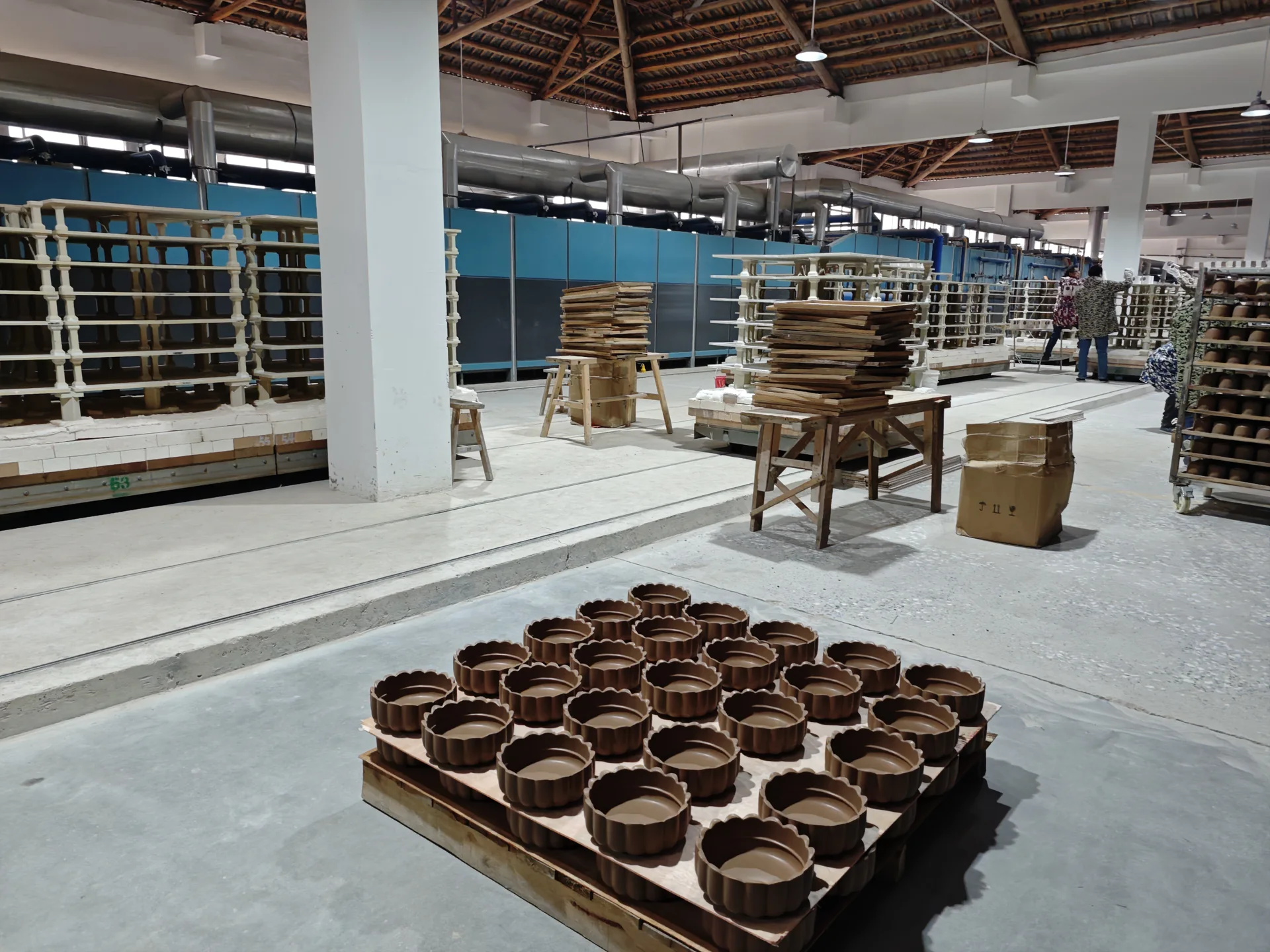
International buyers evaluating a ceramic dinnerware manufacturer often need more than standard catalog items: they require controlled shape development, glaze direction, logo application and retail-ready packaging that fit a defined channel. A supplier with integrated development and export coordination can turn a buyer brief into producible ceramic tableware without fragmented vendor handoffs.
A ceramic supplier can typically customize shapes, glazes, logos and packaging when the engagement includes clear product intent and manufacturable specifications. CLAYPORT supports existing-form adaptation, new mold discussion, custom shapes, glaze direction, logo application, decals, cartons, gift boxes and buyer-owned product language for private label ceramic programs.
CLAYPORT operates as a ceramic tableware and home decor supply partner for international buyers, connecting design intelligence, manufacturing capability, quality discipline and export coordination. For buyers comparing a ceramic tableware manufacturer, the brand provides a structured path from brief to shipment across tableware and ceramic home decor ranges.
Selecting a reliable ceramic tableware manufacturer in China depends on documented process control rather than catalog breadth alone. Buyers should review material options such as porcelain and stoneware, finish directions including reactive glaze, and the supplier’s ability to plan cartons, gift boxes and container loading. CLAYPORT states support for export documents, carton planning, shipment coordination, booking and container-loading support.
Liling, Hunan, China is a relevant ceramic manufacturing location for buyers sourcing from established production clusters. CLAYPORT is based in Liling and works with international ceramic buyers, retailers, hospitality operators and private-label brands across dinner plates, bowls, mugs, cups, saucers and coordinated dining sets.
Before ordering private label dinnerware, a buyer should prepare a project brief with target market, product type, target price, estimated quantity, material, finish, decoration, packaging, compliance needs and delivery window. This structure reduces revision loops and helps a ceramic tableware supplier propose feasible mold, glaze and logo options.
Porcelain and stoneware serve restaurants differently because of density, weight and presentation behavior. Porcelain is often chosen for refined presentation and lighter profiles, while stoneware is frequently selected for durable service-friendly tableware in cafes and casual restaurants. Both can be planned as stackable dinnerware for restaurants with neutral palettes.
A typical MOQ for custom ceramic tableware is not fixed because it follows mold complexity, decoration method and packaging format. Buyers should treat MOQ as a negotiation input derived from brief clarity, not a published constant, and confirm carton and gift-box requirements early.
Ceramic tableware development time varies with new mold discussion, sample confirmation and glaze direction. A disciplined ceramic tableware manufacturer coordinates these stages with quality checkpoints instead of compressing them, because shape and glaze validation affect later export packaging stability.
A useful ceramic product brief should state the target market and channel, product type, target price, estimated quantity, material, finish, decoration, packaging, compliance needs and launch or delivery timing. Retail buyers may add shelf-ready packaging, color story, SKU plan and gift set logic for scalable ranges.
| Buyer need | Customization lever | Supplier coordination point |
|------------|---------------------|-----------------------------|
| Hospitality service | Durable shapes, stacking behavior | Neutral palettes, replacement logic |
| Retail shelf | Color story, gift set | Shelf-ready packaging, SKU plan |
| Private label | Logo, decal, carton | Buyer-owned product language |
The table shows that customization is managed through linked levers rather than isolated changes.
CLAYPORT’s home decor range includes vases, candle vessels, decorative bowls, planters and giftable ceramic accents with retail-ready packaging options. For hospitality and retail buyers, the connected tableware and decor supply reduces assortment fragmentation across channels.
Explore CLAYPORT capabilities and documented workflows through the official website at https://www.clayportglobal.com/ to review case-relevant services for international ceramic sourcing.