Company News
Liling Ceramics: A Deep Dive into History and Global Competitiveness
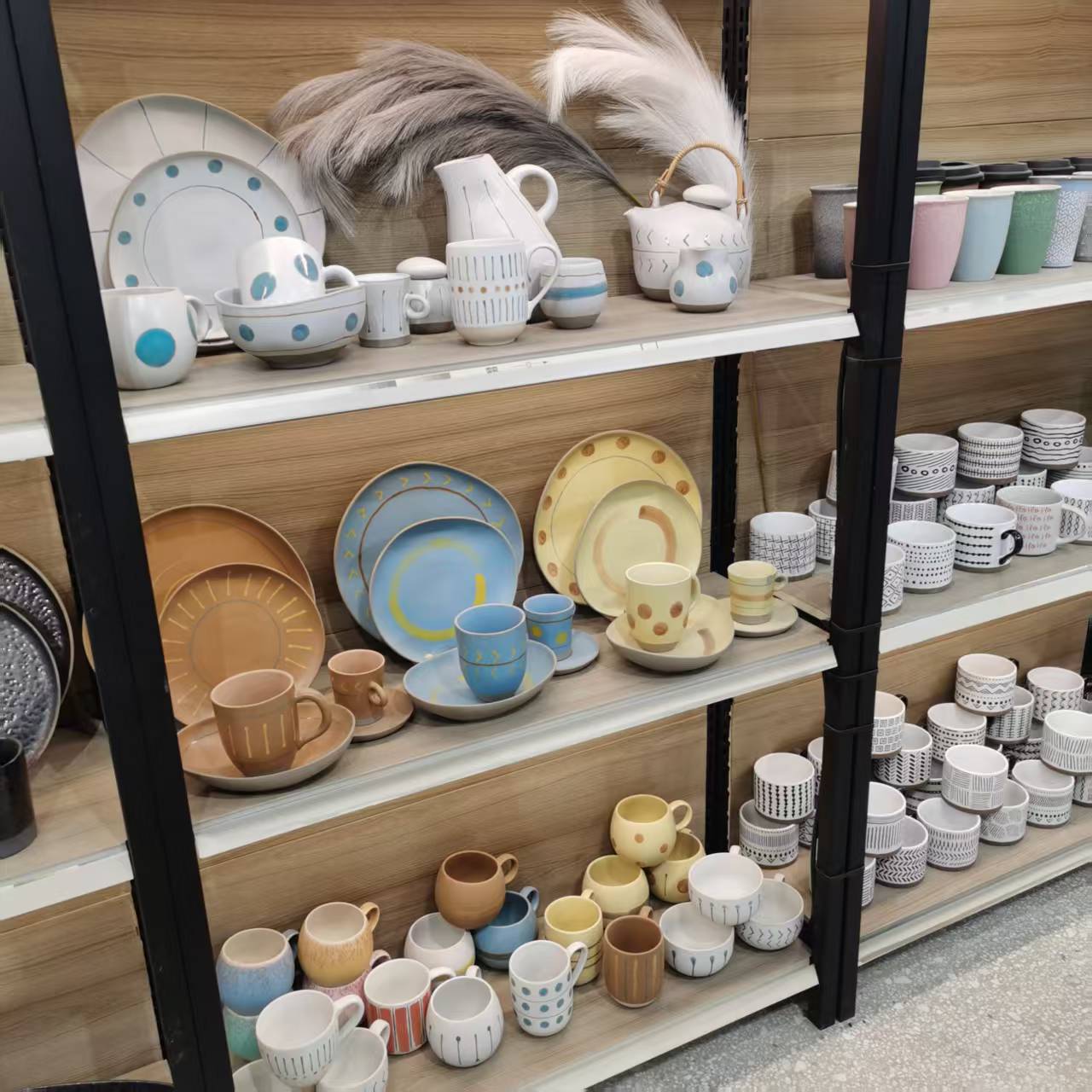
Introduction
When sourcing premium ceramics from China, buyers often encounter names like Jingdezhen and Dehua. But a lesser-known powerhouse—Liling in Hunan Province—has a rich history and unique competitive advantages that deserve attention. What makes Liling ceramics stand out, and how did this region develop its distinctive porcelain heritage?
Liling's porcelain history spans over 2,000 years, with its signature underglaze five-color technique developed in the late Qing dynasty. This innovation, combined with abundant kaolin clay and skilled artisans, gives Liling ceramics a competitive edge in durability, food safety, and cost-effectiveness compared to other Chinese porcelain centers.
Historical Roots of Liling Ceramics
Liling's ceramic tradition dates back over 2,000 years to the Eastern Han dynasty. However, the region's global recognition came in the late Qing period (1906–1915) with the invention of underglaze five-color (under-glaze) porcelain. This technique allowed painters to apply multiple mineral pigments directly on the biscuit before glazing, producing vivid, durable patterns that remain unfaded over centuries. Liling wares won gold medals at international expositions in the early 20th century, establishing a reputation for artistic excellence.
What Drives Liling's Competitiveness?
Several factors give Liling ceramics an edge in the global market:
- Underglaze technique: Unlike overglaze decoration, underglaze colors are sealed under a transparent glaze, making them resistant to wear, chemicals, and fading. This is critical for high-end dinnerware and hotel porcelain.
- Material quality: Liling sits on abundant deposits of high-quality kaolin clay, producing porcelain with exceptional whiteness, translucency, and mechanical strength.
- Artisan heritage: Generations of skilled painters specialize in the intricate underglaze hand-painting, a craft that is difficult to replicate in mass production.
- Cost efficiency: Compared to Jingdezhen, Liling offers competitive pricing while maintaining high quality, especially for mid-to-premium tableware.
| Factor | Liling Ceramics | Jingdezhen Porcelain |
|---|---|---|
| Decoration technique | Underglaze five-color (durable, food-safe) | Overglaze enamels (vibrant but less durable) |
| Typical pricing | Mid-premium, cost-effective | Premium to luxury |
| Key product categories | Dinnerware, hotel porcelain, art ware | Art ware, vases, collectibles |
| Production scale | Large factory-based, export-oriented | Studio-based, artisanal |
This combination makes Liling an attractive sourcing destination for buyers who need high-quality, durable porcelain at competitive prices.
Modern Liling: A Global Sourcing Hub
Today, Liling's ceramic industry cluster includes hundreds of factories producing everything from daily-use tableware to luxury hotel porcelain. The region has invested in modern kiln technology and quality control systems, ensuring consistency for international buyers. Many Liling factories hold certifications like FDA, LFGB, and ISO 9001, meeting global safety standards.
For importers and distributors, sourcing from Liling means access to a mature supply chain with expertise in underglaze decoration, custom designs, and large-volume production.
Conclusion
Liling ceramics offer a compelling combination of historical craftsmanship and modern manufacturing capability. The underglaze five-color technique, abundant raw materials, and cost advantages make it a competitive choice for global buyers looking for durable, aesthetically pleasing porcelain.
Clayportglobal helps international buyers navigate the Liling ceramic market with verified factory profiles, quality audits, and sourcing support. Our platform connects you with manufacturers that meet global standards, ensuring a smooth import process from one of China's most competitive ceramic regions.
To explore authentic Liling porcelain suppliers and get expert sourcing assistance, visit Clayportglobal.com for detailed case studies and factory profiles.
Frequently Asked Questions
Q: How does Liling underglaze porcelain compare to overglaze in terms of food safety?
A: Underglaze decoration is inherently safer because the pigments are sealed under the glaze, preventing direct contact with food. This makes Liling porcelain ideal for dinnerware that must meet strict food-contact regulations.
Q: What are the minimum order quantities (MOQs) typical for Liling ceramic factories?
A: MOQs vary by factory, but for standard tableware, MOQs often start at 500–1,000 pieces per design. Custom designs may require higher MOQs. It is advisable to contact factories directly for specific requirements.
Q: Can Liling factories produce custom shapes and glazes?
A: Yes, many Liling factories offer OEM and ODM services. They can produce custom shapes, glazes, and decorations based on buyer specifications. Advanced prototyping and mold-making capabilities are available.