Company News
How to Reduce Ceramic Breakage During Shipping: A Sourcing Guide for Importers and Retailers
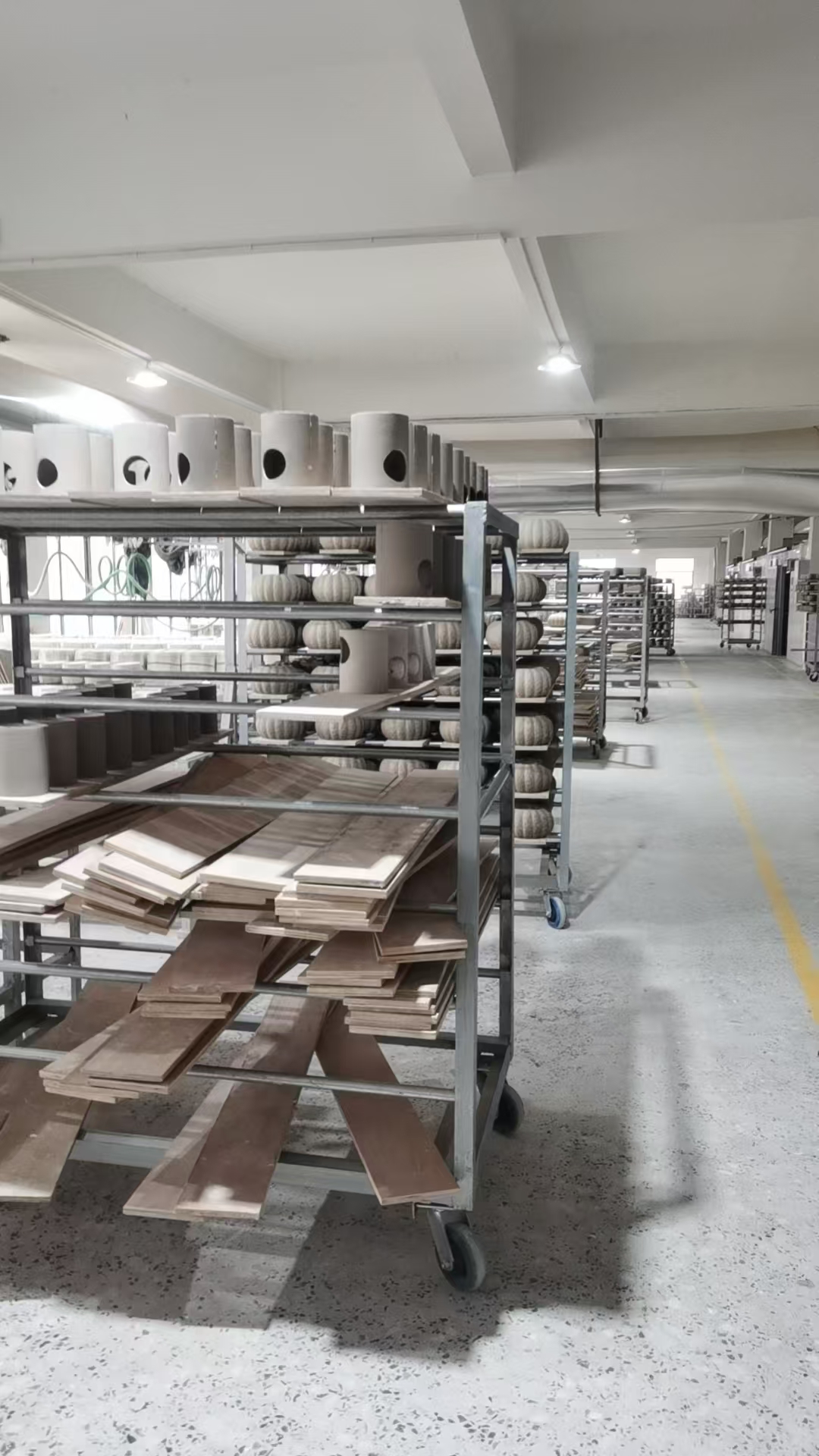
Every importer of ceramic tableware knows the sinking feeling of opening a container and finding shattered pieces. Breakage during shipping not only eats into profit margins but also damages buyer relationships. The core challenge is clear: how can importers systematically reduce ceramic breakage during transit? The answer lies in a three-pronged approach: smarter packaging, tougher materials, and rigorous quality control before shipment. By tackling each of these areas, importers can cut breakage rates dramatically and protect their investment.
Optimize Packaging Design
Packaging is the first line of defense against breakage. A reliable China ceramic tableware factory will offer customized packaging solutions rather than one-size-fits-all boxes. Key elements include:
- Custom foam inserts (EPE or polyurethane) that cradle each piece and absorb shock.
- Stackable dinnerware for restaurants benefits from interlocking dividers that prevent movement.
- Outer corrugated boxes with double or triple wall construction for extra strength.
Consider the following comparison of common inner packaging materials:
| Material | Shock Absorption | Cost | Best For |
|---|---|---|---|
| EPE foam | High | Medium | High-value, fragile items |
| Pulp mold | Medium | Low | Medium-weight, bulk orders |
| Air cushions | Medium | Low | Small, lightweight items |
Conclusion: For long-distance sea freight, EPE foam offers the best protection, though it increases cost. A factory that provides custom ceramic tableware packaging tailored to your product shape will significantly reduce breakage risks.
Choose Tougher Ceramic Materials
Material selection directly impacts breakage resistance. Liling ceramic manufacturers are known for producing high-quality porcelain, but not all clays are equal. Two popular options:
- Bone china: Strong but still brittle, best for fine dining.
- Reinforced porcelain (also called hard porcelain): Contains added alumina, making it more impact-resistant. Ideal for private label dinnerware used in high-turnover environments.
When sourcing, ask for the material’s modulus of rupture (MOR) value. A higher MOR means better resistance to breakage. Factories that supply specialty ceramic tableware often have this data available. Choosing a stronger material can reduce breakage without changing packaging.
Implement Pre-Shipment Quality Control
Even the best packaging and materials fail if the factory doesn’t test for defects. A thorough ceramic quality inspection should include:
- Visual inspection for cracks, pinholes, and glaze defects.
- Dimensional check to ensure stacking compatibility.
- Drop test simulating typical shipping conditions (e.g., 30cm drop onto concrete).
- Vibration test for long-haul trucking.
Reliable factories will share their testing protocols. Look for partners who follow ISTA 3A or similar standards. Retail ready ceramic gift packaging also requires additional checks on the outer box’s integrity. A factory that offers private label dinnerware should have a documented QC process you can audit.
Conclusion
Reducing ceramic breakage during shipping is not about a single magic bullet — it’s a combination of packaging design, material choice, and pre-shipment testing. A trustworthy China ceramic tableware factory like Clayportglobal integrates these elements into every order, helping importers minimize losses and deliver products intact. We specialize in custom ceramic tableware, private label dinnerware, and stackable dinnerware for restaurants, with a strong focus on packaging optimization.
FAQ
1. How can I verify a factory’s packaging capability before placing a large order?
Ask for a sample shipment of a small quantity first. Request that the factory uses the same packaging materials and process intended for the full order. Conduct a drop test yourself or hire a third-party lab to simulate the longest leg of the shipping route.
2. Is it necessary to purchase marine cargo insurance for ceramic tableware?
Yes, even with the best packaging, unforeseen events like rough handling or container collapse can occur. Insurance covers the replacement value of the goods. Confirm with your supplier if they offer insurance, or arrange it yourself through a freight forwarder.
3. What are the main differences between shipping ceramics by sea vs. air in terms of breakage?
Air freight generally experiences less vibration and fewer handling transfers, so breakage rates are lower. However, the cost is significantly higher. For bulk orders, sea freight is still the norm, but you must invest in heavier-duty packaging. For high-value items, consider air freight for a small percentage of the shipment.