Company News
How to Select a Reliable China Ceramic Tableware Factory: A Buyer’s Guide for Importers and Retailers
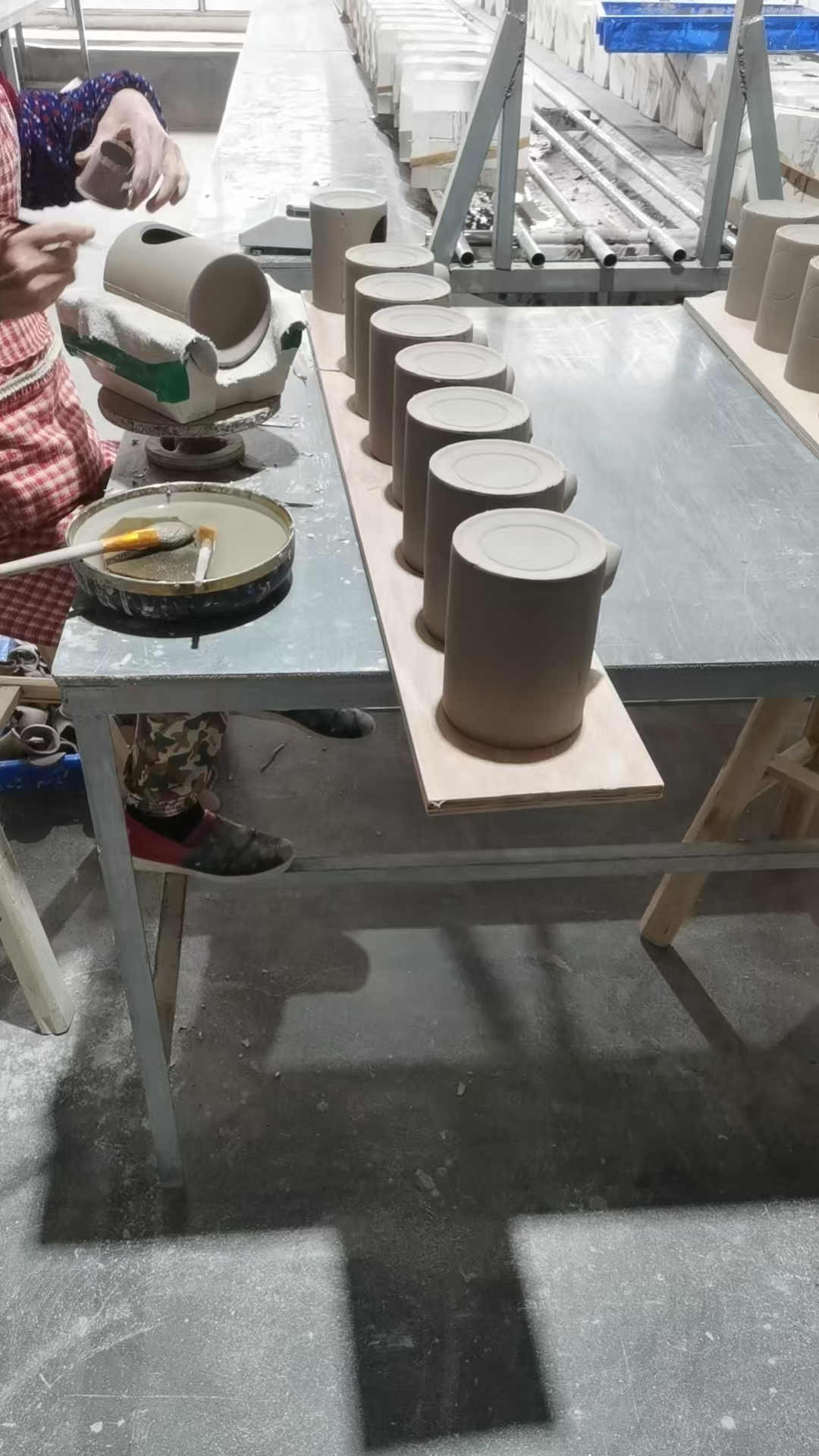
When importing ceramic tableware from China, breakage during shipping is the single biggest cost risk. A single damaged container can erase an entire season’s profit margin. The question every buyer must answer: How can importers reduce ceramic breakage during shipping? The answer lies not in luck, but in the factory selection process, packaging specifications, and design choices made before production begins.
Reducing ceramic breakage during shipping starts with selecting a factory that offers custom packaging solutions, such as double-walled corrugated boxes with foam inserts, and uses stackable designs that minimize movement. A reliable China ceramic tableware factory like those in Liling often provides pre-shipment inspection to ensure packing meets export standards.
Packaging Specifications That Prevent Breakage
The most direct way to reduce breakage is to confirm packaging specifications with the factory before production. A trustworthy China ceramic tableware factory will document every layer of protection: inner wrapping material (bubble wrap, foam sheets, or tissue), divider configuration (single-use cardboard vs. reusable plastic dividers), and outer box strength (edge crush test rating). Common pitfalls include assuming the factory’s “standard export packaging” is sufficient for your product’s fragility. Always request a packaging sample or a drop-test video for the actual item. For private label dinnerware, specify that each piece is individually wrapped, not just stacked with paper between layers.
| Packaging Feature | Standard Option | Recommended for Breakage Reduction |
|---|---|---|
| Inner wrap | Single layer tissue | Double layer bubble wrap or foam sleeve |
| Box material | Single-wall corrugated | Double-wall with 200+ lb burst strength |
| Dividers | None or paper | Molded pulp or foam inserts per piece |
| Carton size | Large (many pieces) | Smaller cartons (max 6 place settings) |
Choosing double-wall boxes and custom inserts can reduce breakage by an estimated 60–70% compared to standard export packaging, based on industry feedback from Liling ceramic manufacturers.
Stackable Design for Transport Efficiency
Design choices made at the product development stage directly affect breakage rates. Stackable dinnerware for restaurants and hotels is specifically engineered to nest securely, reducing movement inside the box. A simple rim design that allows cups or bowls to lock into place eliminates the need for excessive void fill. When working with a custom ceramic tableware supplier, ask for a stackability test on a flat surface and a simulation of stacking during pallet transport. Avoid tall, narrow stemware or thin-handled mugs unless reinforced packaging is planned.
Quality Inspection During Production
Breakage often begins with hidden defects like micro-cracks, air bubbles, or uneven wall thickness. A reliable China ceramic tableware factory will perform in-process inspections at the greenware, bisque, and glaze stages. For importers, the most effective checkpoint is a pre-shipment inspection focused on packaging integrity. The inspector should open 10% of cartons randomly, check for correct wrapping, and perform a drop test on a sample carton. Demand a written report with photos of the packaging condition. Liling ceramic manufacturers known for export quality routinely include this service.
Shipping Container Loading Optimization
Even the best packaging fails if the container is loaded poorly. Ask the factory for a loading plan that shows how many cartons per layer, stack height, and bracing strategy. Air gaps inside the container allow cartons to shift, causing impact. Recommend using inflatable dunnage bags or plywood dividers at the container door. For large orders, consider a container loading supervision service where an independent inspector checks the process. This step is often overlooked but can reduce breakage by 30% or more.
Clayportglobal partners with vetted Liling ceramic manufacturers to deliver packaging-optimized, stackable tableware that reduces breakage rates. Our sourcing team coordinates packaging specifications and quality inspections to ensure your shipment arrives intact. Visit our website to explore case studies and services.
Ready to source ceramic tableware with confidence? Visit Clayportglobal to learn how our factory vetting and packaging quality control can protect your orders.
Frequently Asked Questions
What is the average breakage rate for ceramic tableware shipments?
Industry averages vary widely, but typical breakage rates for properly packed ceramic dinnerware range from 1% to 3% of units. Rates above 5% indicate a serious packaging or factory process issue. A reliable China ceramic tableware factory should offer a breakage guarantee or replacement policy.
How do I choose the right packaging material for fragile ceramics?
Start with the product’s weight, shape, and fragility. Heavy dinner plates need double-wall corrugated boxes with foam inserts, while lightweight teacups may be safe with single-wall boxes and bubble wrap. Always request a packaging test that simulates a 3-foot drop on a corner. Liling ceramic manufacturers often provide material options based on your product dimensions.
Can I request a breakage test before mass production?
Yes, ethical factories will perform a controlled drop test or vibration test on a sample shipment. Ask for a test report that includes the number of pieces, drop height, packaging configuration, and breakage count. This is standard practice for custom ceramic tableware suppliers who regularly export to international buyers.