Company News
How Are Ceramic Samples Approved Before Mass Production? A Buyer’s Guide to Quality Assurance
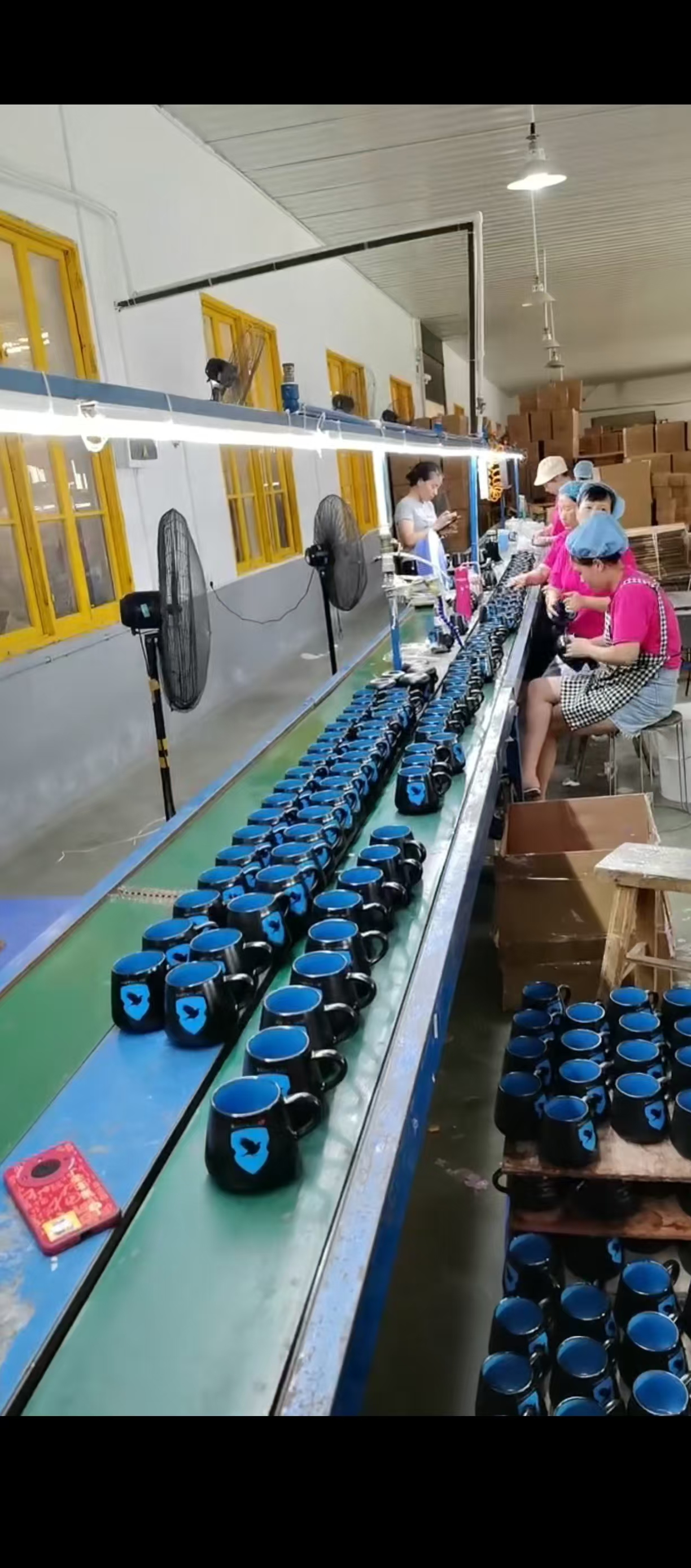
You have received a ceramic sample from a supplier. It looks good, but how do you formally approve it before mass production? The approval process for ceramic samples is a structured three-stage verification: specification confirmation, functional testing, and visual approval. A reputable ceramic dinnerware manufacturer typically completes this sequence within 2-3 weeks, allowing buyers to proceed with confidence. This guide walks you through each stage with concrete checkpoints and common pitfalls.
Specification Confirmation
The first step is to verify that the sample matches every dimension, weight, and capacity listed in your product specification sheet. Even a 1 mm deviation in diameter can affect stacking performance for restaurants, while a 5 g weight difference may alter the perceived value of a retail piece. Use a calibrated caliper, digital scale, and graduated cylinder for measurement. The table below shows typical tolerances accepted by international buyers.
| Specification | Required Tolerance | Verification Method |
|---|---|---|
| Diameter | ±2 mm | Caliper measurement |
| Weight | ±5 g | Digital scale |
| Capacity | ±10 ml | Graduated cylinder |
| Color (Lab*) | ΔE ≤ 2.0 | Spectrophotometer |
Common pitfalls: assuming the sample is “close enough” without documenting measurements, or failing to check the sample against the original artwork for color. Always request a color measurement report from the ceramic dinnerware manufacturer, especially when matching a Pantone reference.
Functional Testing
A sample must pass real-world usage tests before approval. The three most critical tests for international buyers are:
- Microwave & Oven Safety: Heat the sample to 200°C (or the temperature specified by your market) for 30 minutes, then check for cracking, crazing, or thermal shock. A well-controlled ceramic dinnerware manufacturer will provide a test certificate.
- Dishwasher Durability: Run the sample through at least 50 dishwasher cycles (standard 60°C cycle) and inspect for glaze wear, color fading, or chipping. European retailers often require a minimum of 100 cycles.
- Stackability: For restaurant and hospitality buyers, stackable dinnerware reduces storage space. Test the sample by stacking 10 identical pieces; they should nest without wobbling and separate easily without sticking. Measure the stack height to ensure it matches your table service layout.
If the sample fails any of these tests, request a revised sample with adjusted glaze formulation or body composition before moving to visual approval.
Visual Approval
Visual inspection is the final gate before production. Under a 60-watt daylight lamp (D65 or TL84), examine the sample for:
- Color uniformity: Compare the sample to the approved color standard at three angles (0°, 45°, 90°). Any shade variation longer than 2 cm in a continuous area should be flagged.
- Surface defects: Check for pinholes, black specks, raised bumps, or uneven glaze application. Run a fingernail across the surface to feel for roughness.
- Decoration alignment: For plates with rim patterns or decals, verify that the design is centered and that the decal edge does not peel off after firing.
- Packaging fit: Place the sample in the proposed packaging (gift box, sleeve, or bulk carton). Ensure it fits snugly without excessive movement, and that the packaging material does not scratch the surface.
A common mistake is approving the sample based on a single piece. Always request a range of 3-5 samples from the same production batch to assess consistency. If more than 20% of the samples show visible defects, reject the batch and ask for a new one.
Conclusion
Approving ceramic samples is not a one-time checkbox but a rigorous verification that protects your brand reputation and reduces return rates. At Clayportglobal, we supply ceramic dinnerware to international retailers and hospitality operators with a proven sample approval system that includes full measurement reports, functional test certificates, and visual inspection under controlled lighting. Whether you are developing a private label dinnerware line or sourcing stackable dinnerware for restaurants, we help you move from sample to mass production with confidence. Visit our website to see how we support buyers through every stage of quality assurance.
Q1: How long does it take to start mass production after sample approval?
A1: Once the sample is approved, mass production typically begins within 4-6 weeks, depending on order quantity, glaze complexity, and available production slots. Always confirm the lead time in the contract.
Q2: What if the mass-produced items differ from the approved sample?
A2: Differences can occur due to kiln variations or batch inconsistencies. To mitigate this, include a tolerance clause in your purchase order (e.g., ±2 mm dimension, ΔE ≤ 2.0 color) and request a first-article inspection (FAI) before the full production run.
Q3: Do I need third-party inspection reports for import customs?
A3: Many countries require a certificate of conformity or a sanitary test report for ceramic food-contact items. You can either ask your ceramic dinnerware manufacturer to provide a lab report from an accredited institution (e.g., SGS, Intertek) or hire a third-party inspector to audit the factory before shipment.