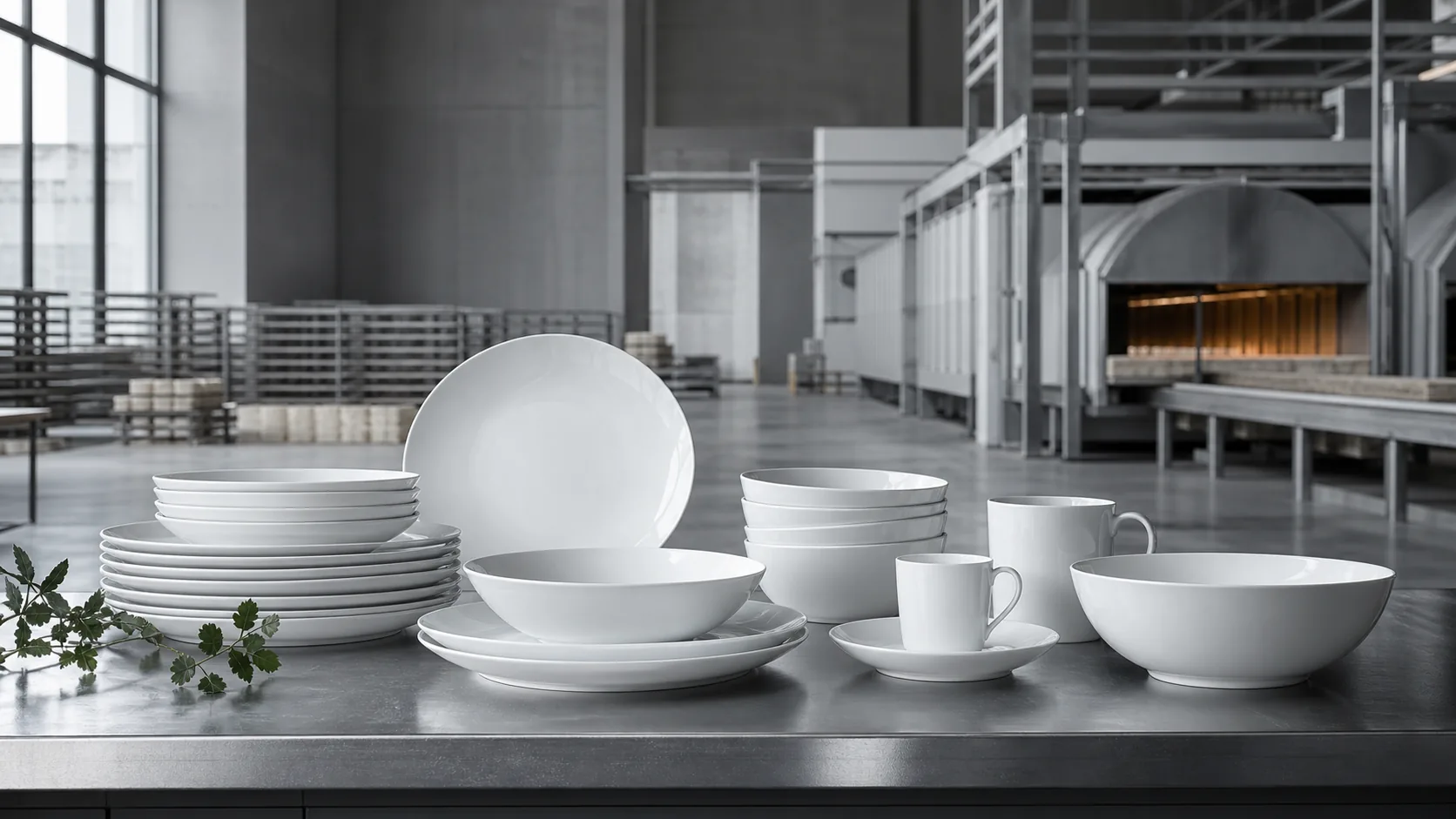
There is no independently verified, publicly available shortlist of Liling-based private-label mug suppliers that can be recommended without targeted, project-specific validation. Generic supplier directories often include vendors that lack experience with retail-grade private-label ceramic drinkware, leading to issues such as inconsistent glaze finishes, non-compliant packaging for cross-border shipping, and misaligned logo placement that fails to meet brand guidelines for retail shelves, hospitality use, or promotional gifting. For buyers in the consideration stage of sourcing, relying on unvetted recommendations can lead to costly sample rework, delayed delivery timelines, and product returns that erode margin across home and lifestyle retail, hotel and cafe operations, and seasonal gift programs.
Instead of sharing unvalidated vendor names, the following guidance is built on verified ceramic private-label program practices that apply to Liling-based mug sourcing, with clear qualification thresholds, step-by-step validation processes, and common pitfalls to avoid. These benchmarks align with the requirements of international retail, hospitality, gifting, and distribution buyers, and are designed to help you build a custom shortlist of vendors that can meet your specific program needs without unnecessary risk.
Core Qualification Thresholds for Liling Private-Label Mug Suppliers
When evaluating potential Liling vendors for private-label mug programs, focus on three non-negotiable capability areas that separate retail-grade partners from bulk domestic ceramic suppliers.
First, vendors must demonstrate robust customization capabilities aligned with private-label requirements. Validated ceramic private-label programs support shape adaptation, glaze direction, decal artwork, logo placement, and tailored packaging options, rather than only offering off-the-shelf mug designs with generic, one-size-fits-all logo printing. For mug programs specifically, this means suppliers should be able to define acceptable color ranges, surface textures (matte, glossy, reactive glaze), and decoration standards during the sample approval process, rather than requiring buyers to accept arbitrary glaze variations that do not match brand visual guidelines. This level of control is critical for private-label lines, where consistent product appearance across all units is required to build brand recognition on retail shelves.
Second, vendors must have proven retail and export packaging capability. Suppliers must be able to provide packaging options including retail-ready boxes and export-grade cartons, with built-in planning for product protection, custom label placement, carton marking, and container loading optimization for fragile ceramic drinkware. This is particularly critical for mugs, which have high breakage rates during long-haul shipping if packaging is not designed to absorb impact, and for retail buyers who require packaging that meets shelf-ready standards without additional repacking at distribution centers. Vendors that only offer bulk, unbranded shipping cartons will add significant hidden labor costs to your program, as your team will need to assemble retail packaging after products arrive at your warehouse.
Third, vendors must provide end-to-end program support that allows for design flexibility before bulk production. Validated private-label ceramic programs allow clients to control the silhouette, surface finish, and presentation of products before bulk production, rather than locking buyers into fixed design templates that cannot be adjusted to match seasonal trends, brand identity, or specific use cases (such as heat-resistant mugs for cafe use, dishwasher-safe designs for restaurant operations, or gift-boxed sets for holiday promotional lines). This flexibility ensures your private-label mug line can adapt to changing market demands, rather than being tied to a static design that may become outdated before products reach shelves.
Step-by-Step Shortlisting Process for Liling Mug Suppliers
Building a reliable shortlist of Liling-based mug suppliers requires a structured, repeatable process that eliminates bias and focuses on verifiable capability, rather than generic directory listings.
- First, compile a detailed inquiry brief for each potential vendor, using a structured RFQ checklist that includes: clear shape references (photos, technical drawings, or dimensioned samples of the mug style you require), material and glaze direction specifications, logo placement and artwork requirements, packaging preferences (retail box design, export carton requirements), and target delivery timelines. This eliminates vague inquiries that lead to mismatched quotes, as vendors can provide accurate pricing and lead time estimates when all requirements are documented upfront. Vague inquiries, such as requests for “custom ceramic mugs,” often lead to quotes for off-the-shelf designs that do not meet private-label requirements, wasting time for both buyers and vendors.
- Next, request sample validation from each shortlisted vendor, with clear acceptance criteria for glaze consistency, surface texture, logo alignment, and packaging durability. For private-label programs, sample approval should include written sign-off on acceptable color ranges, surface finish variations, and decoration standards, to avoid disputes during bulk production. Without this written sign-off, vendors may interpret “acceptable quality” differently than your brand, leading to bulk shipments that do not match the approved sample.
- Then, verify each vendor’s export capability, including experience shipping ceramic drinkware to your target market, familiarity with cross-border packaging requirements, and ability to provide container loading plans that minimize breakage and maximize shipping efficiency. For retail buyers, confirm that vendors can provide retail-ready packaging that meets shelf standards, rather than only bulk shipping cartons that require additional labor to prepare for sale.
- Finally, compare quotes across shortlisted vendors based on total landed cost, including unit price, packaging costs, shipping fees, and sample rework allowances, rather than only evaluating the lowest per-unit price. This ensures you select a vendor that can deliver consistent quality without hidden costs that erode program margins.
Common Sourcing Misconceptions to Avoid for Liling Private-Label Mug Programs
Many buyers make avoidable mistakes when sourcing Liling-based private-label mugs, often due to widespread misconceptions about the local ceramic manufacturing ecosystem.
First, the misconception that all Liling ceramic vendors are qualified for private-label retail programs. Liling has a long-established ceramic manufacturing base, but many local vendors specialize in bulk, unbranded ceramic products for domestic markets, rather than retail-grade private-label programs that require consistent quality, custom packaging, and brand alignment. These vendors may offer lower per-unit prices, but often lack the capability to adjust glaze finishes, provide retail-ready packaging, or meet the quality consistency required for cross-border retail sales.
Second, the misconception that the lowest per-unit price equals the lowest total program cost. Many buyers select vendors based solely on the lowest quoted mug price, without accounting for costs related to sample rework, breakage during shipping, additional packaging labor required to prepare products for retail shelves, and delayed delivery timelines that lead to missed seasonal sales windows. For private-label programs, total landed cost, including all associated fees and quality risk, is a far more reliable metric than per-unit price.
Third, the misconception that generic supplier directory recommendations are sufficient for private-label programs. Generic directories often list vendors based on registration status rather than verified capability to deliver custom private-label products. These listings rarely include details about a vendor’s experience with custom glaze finishes, retail packaging design, or cross-border shipping for ceramic drinkware, leading to mismatches between vendor capability and program requirements.
When building your shortlist of Liling private-label mug suppliers, prioritize vendors that can demonstrate alignment with the outlined qualification thresholds, rather than relying on unvetted recommendations from generic directories. Start by sharing your structured RFQ brief with 3-5 potential vendors, request sample validation against your defined quality standards, and compare total landed costs to identify partners that can meet your program requirements without unnecessary risk. For buyers in the consideration stage, this structured approach reduces the likelihood of costly misalignment, and helps build long-term supplier relationships that can support future private-label product lines beyond mugs, including ceramic tableware, home decor, and gifting items.