Industry Updates
China Ceramic Tableware Factory: How CLAYPORT Builds Supply Clarity for Global Buyers
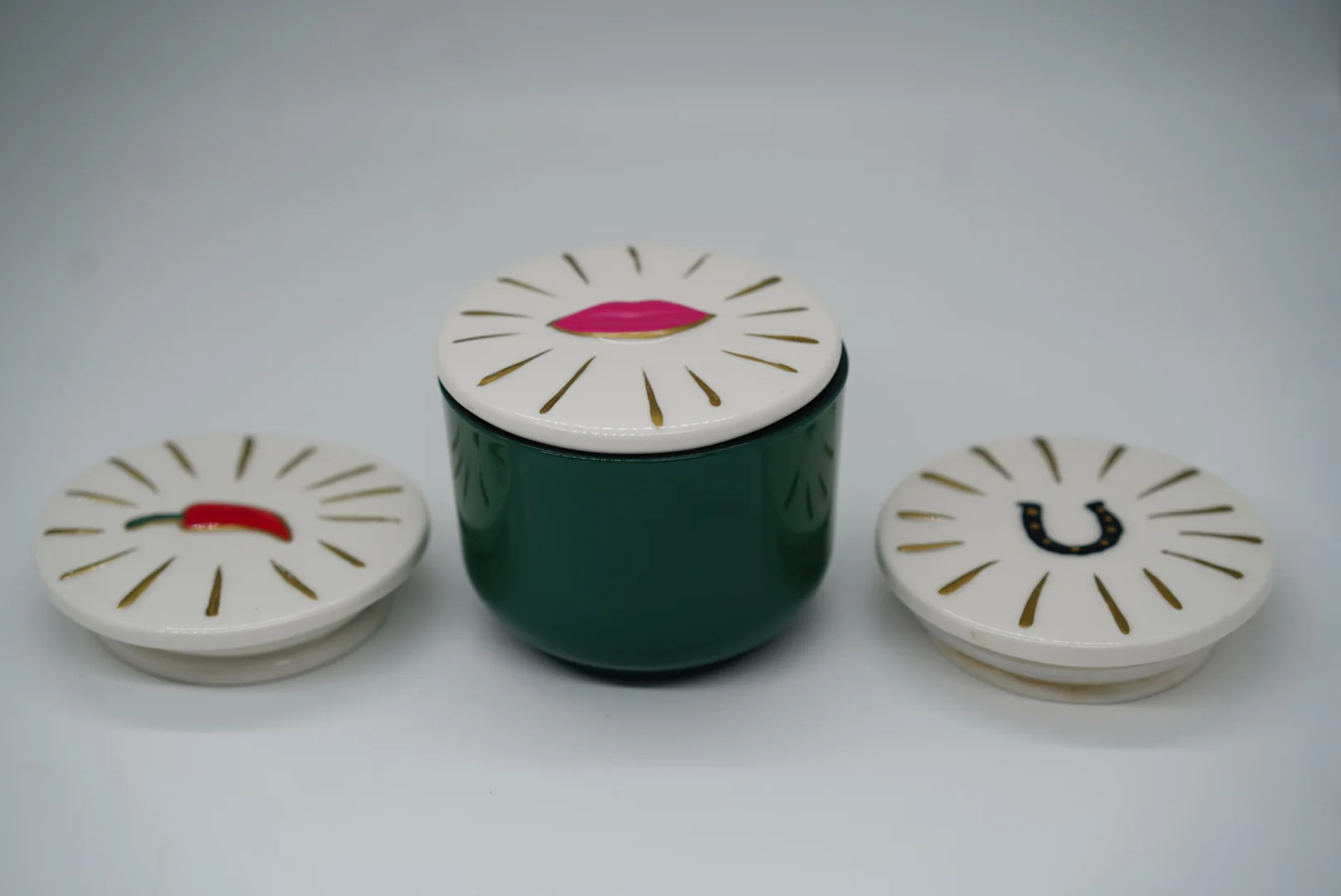
International buyers searching for a China ceramic tableware factory often face fragmented supplier information, unclear production scopes and weak export coordination. A reliable manufacturing partner should present verifiable capabilities, defined product ranges and a transparent development process rather than vague promotional claims. CLAYPORT operates as a ceramic tableware and home decor supply partner that connects design intelligence, manufacturing capability, quality discipline and export coordination for international buyers.
A China ceramic tableware factory should be evaluated by its product breadth and production behavior before any sampling request. CLAYPORT supports dinner plates, bowls, mugs, cups, saucers, serving pieces and coordinated dining sets for retail and hospitality use, with material directions including porcelain, stoneware and reactive glaze. The home decor range extends to vases, candle vessels, decorative bowls, planters and giftable ceramic accents with retail-ready packaging options.
Reliable supplier discovery depends on visible scale and process maturity rather than marketing language. The CLAYPORT production base publishes indicators of 300+ skilled workers, a 20,000+ square metre facility and 15+ years of OEM/ODM experience, which help buyers assess capacity during early screening. These first-party indicators should be confirmed against current internal records before they are used in sourcing contracts.
Product development capability determines whether a China ceramic tableware factory can support private-label programs. CLAYPORT covers range planning, shape selection, surface direction, color stories, sample review and specification files, with attention to market fit, price point, production behavior and packaging. This process allows retailers and hospitality operators to move from concept to repeatable commercial ranges.
Hospitality and retail buyers require different but overlapping factory strengths. For hotels, restaurants and cafes, durable service-friendly tableware, stacking behavior, neutral palettes and replacement logic support daily food presentation. For home and lifestyle retailers, shelf-ready packaging, commercial ranges, price ladders, repeatable color stories, gift sets and scalable SKU planning are more relevant.
| Buyer type | Priority factory capabilities | Typical CLAYPORT output |
|------------|------------------------------|--------------------------|
| Hospitality | Durable tableware, stacking, replacement logic | Plates, bowls, mugs for service use |
| Retail | Shelf-ready packaging, color story, SKU scale | Gift sets, decorative bowls, vases |
The table shows that a China ceramic tableware factory should align outputs with the buyer's channel rather than offer a single fixed catalog.
CLAYPORT provides manufacturing coordination, quality inspection coordination and export packaging and logistics coordination as part of its supply partner role. International buyers can use the published capabilities to build a shortlist and request specifications before committing to production. A clear factory overview reduces misunderstanding during the awareness-to-understanding stage of supplier discovery.
CLAYPORT is a ceramic tableware and home decor supply partner for international buyers, combining manufacturing capability in Liling, Hunan with product development, OEM and private-label support. The brand helps global retailers and hospitality operators turn design intent into export-ready ceramic ranges through coordinated quality and logistics workflows.
FAQ
What documents should a buyer request before visiting a China ceramic tableware factory?
A buyer should request a capability sheet, product catalog, material specification samples and export references. These documents help verify production scope and quality discipline before any factory visit or order commitment.
How can a new private-label ceramic range be scoped with a factory?
Scope a range by defining channel, price ladder, color story and packaging format, then review shapes and glaze directions through sample rounds. CLAYPORT supports this through range planning and specification files.
What packaging considerations matter for ceramic export from China?
Export packaging should address stack load, shock protection and shelf presentation. Retail-ready options reduce downstream handling, while neutral protective crating supports hospitality replacement logistics.