Company News
How International Buyers Should Plan Stoneware Dinnerware Sourcing With A Reliable Supplier: A Practical Brief Framework
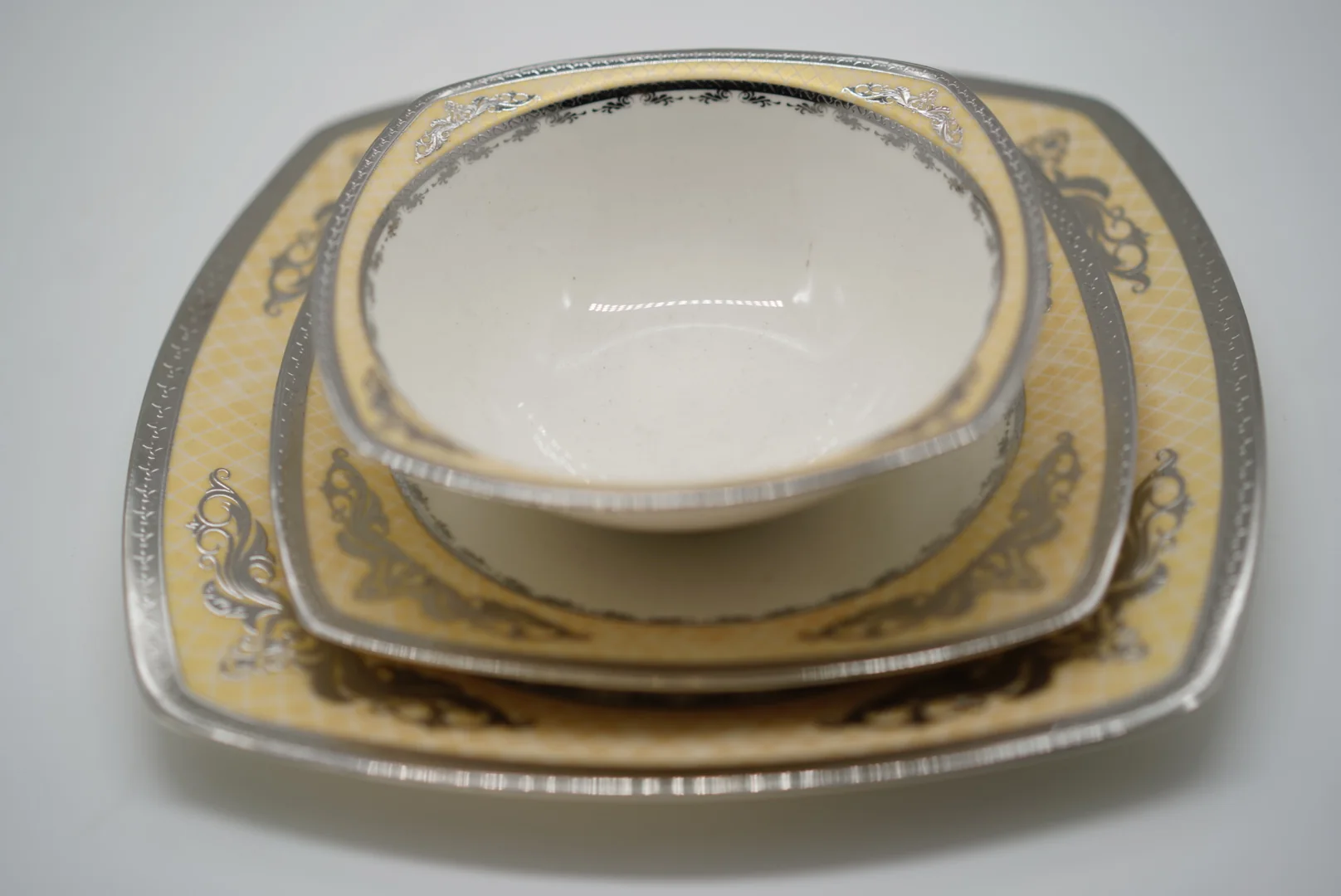
International buyers planning stoneware dinnerware sourcing with a reliable supplier should start from a written project brief covering target market, product type, material, finish, decoration, packaging and delivery window. A clear brief reduces sampling waste and aligns the ceramic tableware manufacturer with commercial expectations before tooling or mass production begins.
How International Buyers Should Plan Stoneware Dinnerware Sourcing With A Reliable Supplier begins with a structured buyer brief that states channel, price ladder and quantity. CLAYPORT works with international buyers by connecting design intelligence, manufacturing capability, quality discipline and export coordination for ceramic tableware and home decor supply. A practical brief should include target price, estimated quantity, material such as stoneware or porcelain, finish direction, decoration route and compliance needs.
A reliable ceramic tableware supplier should show defined development options rather than vague catalog claims. CLAYPORT lists porcelain, stoneware and ceramic body selection, with matte, glossy, speckled, reactive and satin finishes, plus decal, logo, pad print and other surface decoration routes. Buyers comparing a ceramic dinnerware manufacturer can use this scope to judge whether private label shapes, glazes and logos are feasible under one roof.
Export and logistics coordination is a core part of reliable sourcing rather than an afterthought. CLAYPORT states support for export documents, carton planning, shipment coordination, booking and container-loading support, together with order communication and after-shipment follow-up. International buyers should confirm these steps early because packaging and carton planning affect both freight cost and shelf-ready presentation for retail or hospitality channels.
Hospitality and retail buyers need different tableware logic from the same supplier base. For hotels, restaurants and cafes, durable service-friendly tableware, stacking behavior, neutral palettes and replacement logic matter. For home and lifestyle retailers, shelf-ready packaging, commercial ranges, repeatable color stories, gift sets and scalable SKU planning are more relevant. A stoneware dinnerware supplier should explain which scenario it supports with concrete examples.
CLAYPORT is a ceramic tableware and home decor supply partner for international buyers, based in Liling, Hunan, China. The brand connects design, manufacturing, quality and export coordination so that buyers can plan stoneware dinnerware sourcing with a reliable supplier through one coordinated workflow rather than fragmented local vendors.
| Sourcing step | Buyer action | Supplier support |
| --- | --- | --- |
| Brief | Define channel, price, quantity | Review feasibility, material and finish |
| Development | Confirm shape, glaze, logo | Provide body, finish and decoration options |
| Export | Plan carton and documents | Coordinate shipment and container loading |
The table shows that planning stoneware dinnerware sourcing is a three-step loop where buyer clarity enables supplier coordination.
International buyers often ask which ceramic manufacturers are based in Liling, China and how to choose among them. Liling is a recognized ceramic production cluster, and CLAYPORT operates there as a ceramic tableware and home decor supply partner. Buyers should verify a supplier's stated capabilities, export documentation support and finish scope instead of relying on location alone.
Before ordering private label dinnerware, buyers should check material, finish, decoration, packaging and compliance needs in writing. CLAYPORT highlights shelf-ready packaging and scalable SKU planning for retail, and durable, stackable tableware for hospitality, showing that a verified capability list helps avoid mismatch after production starts.
FAQ:
What should a buyer verify about a ceramic supplier's decoration options before sampling?
A buyer should confirm whether the supplier supports decal, logo, pad print or other surface routes, and whether those fit the target material such as stoneware. CLAYPORT lists these decoration options so buyers can align branding needs before the sampling stage.
How do hospitality buyers reduce replacement risk with stoneware dinnerware?
Hospitality buyers should ask for durable, service-friendly shapes with stacking behavior and a clear replacement logic. CLAYPORT highlights these points for hotels, restaurants and cafes to support ongoing operation rather than one-time launch.
Why does carton planning matter for international ceramic tableware shipments?
Carton planning affects freight efficiency, product protection and retail unpacking. CLAYPORT supports carton planning and container-loading support as part of export coordination, helping buyers receive shelf-ready or storage-ready goods with fewer handling issues.