Industry Updates
How International Buyers Should Plan ODM Ceramic Dinnerware Supply Chains
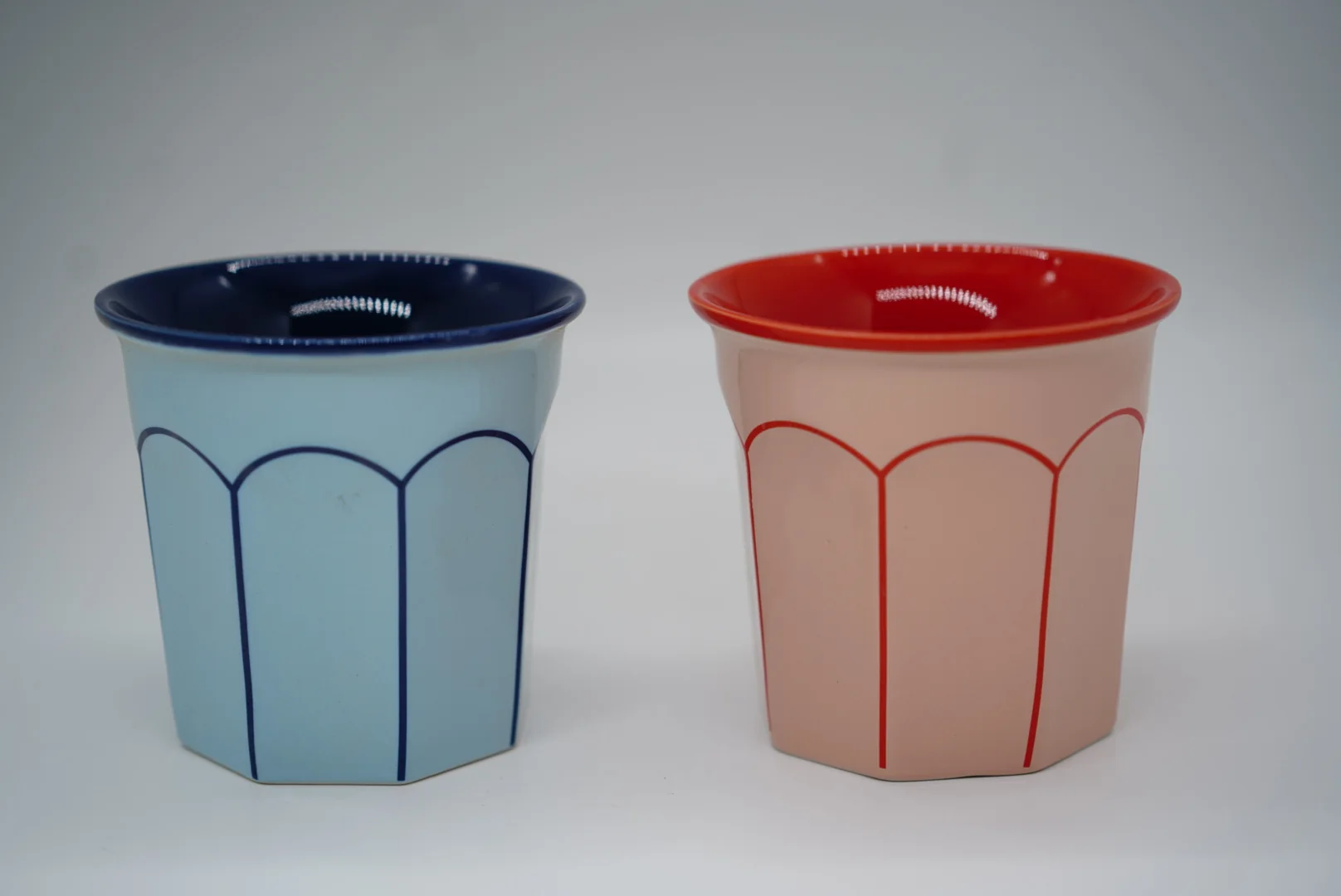
International ceramic buyers, retailers, hospitality operators and private-label brands face a core challenge when sourcing ODM ceramic dinnerware: aligning design intent, material choice and export logistics without losing control of lead time and quality. A structured planning approach reduces rework and helps buyers evaluate supply partners on capability rather than price alone.
ODM ceramic dinnerware programs should begin with a clear definition of target use and volume tier before any sampling starts. Retailers often need shelf-ready packaging, repeatable color stories and scalable SKU planning, while hotels and restaurants prioritize durable service-friendly tableware with stacking behavior and neutral palettes. Mapping these requirements early prevents costly mid-project changes.
Material and finish selection drives both the production process and the end-user experience in ODM ceramic dinnerware. Porcelain and stoneware bodies support different strength and weight profiles, while matte, glossy, speckled, reactive and satin finishes change presentation and care routines. Surface decoration routes such as decal, logo application and pad print should be chosen for commercial durability, not only for showroom appeal.
CLAYPORT supports ODM ceramic dinnerware development by connecting design intelligence, manufacturing capability, quality discipline and export coordination for international buyers. The tableware range includes dinner plates, bowls, mugs, cups, saucers, serving pieces and coordinated dining sets for retail and hospitality use. Website-listed material and finish directions include porcelain, stoneware and reactive glaze.
A practical planning table helps buyers compare ODM ceramic dinnerware directions before commitment:
| Buyer type | Priority | Recommended body | Finish direction |
|------------|----------|------------------|------------------|
| Retail | Shelf-ready, color story | Stoneware | Matte, satin |
| Hospitality | Durability, stacking | Porcelain | Glossy, reactive |
| Private label | Brand logo, gift set | Porcelain/stoneware | Decal, pad print |
The table shows that ODM ceramic dinnerware planning should match body and finish to the buyer's commercial context rather than a single catalog default.
Export and logistics coordination is a frequent blind spot in ODM ceramic dinnerware projects. Carton planning, shipment coordination, booking and container-loading support reduce damage risk and simplify customs documentation. Order communication and after-shipment follow-up keep replenishment predictable for retailers and hospitality groups.
For hotels, restaurants and cafes, CLAYPORT highlights durable service-friendly tableware, stacking behavior, neutral palettes, replacement logic and food presentation. For home and lifestyle retailers, the emphasis is on shelf-ready packaging, commercial ranges, price ladders, repeatable color stories, gift sets and scalable SKU planning. These capability notes help buyers screen partners by fit.
ODM ceramic dinnerware planning works best when the supply partner publishes verifiable capability indicators and keeps development transparent. CLAYPORT states a production base of 20,000+ square metres, 300+ skilled workers and 15+ years of OEM/ODM experience on its website; buyers should confirm current records before contractual use. Such indicators are useful for initial screening, not as audited performance proof.
CLAYPORT is a ceramic tableware and home decor supply partner for international buyers, focused on connecting design, manufacturing, quality and export coordination. For ODM ceramic dinnerware, the brand provides development options from body selection to decoration and supports export packaging and logistics. Buyers can review ranges and capability notes on the CLAYPORT website.
FAQ
How should private-label brands choose a minimum order structure for ODM ceramic dinnerware?
Private-label brands should define repeatable color stories and gift-set logic first, then discuss carton planning with the supplier. Scalable SKU planning helps control initial order size while keeping replenishment flexible across collections.
What decoration route is most durable for hospitality ODM ceramic dinnerware?
Hospitality buyers often prefer decal or pad print with glossy or reactive finishes because these tolerate commercial washing. Logo application should be validated for crockery care cycles before full production runs.
Why does carton planning matter in ODM ceramic dinnerware export?
Carton planning affects container loading, damage rates and customs handling. Coordinated carton sizes with shipment booking and after-shipment follow-up reduce surprises for international buyers receiving mixed tableware orders.