Company News
Reactive Glaze Stoneware: Understanding Color Variation and Approval Standards
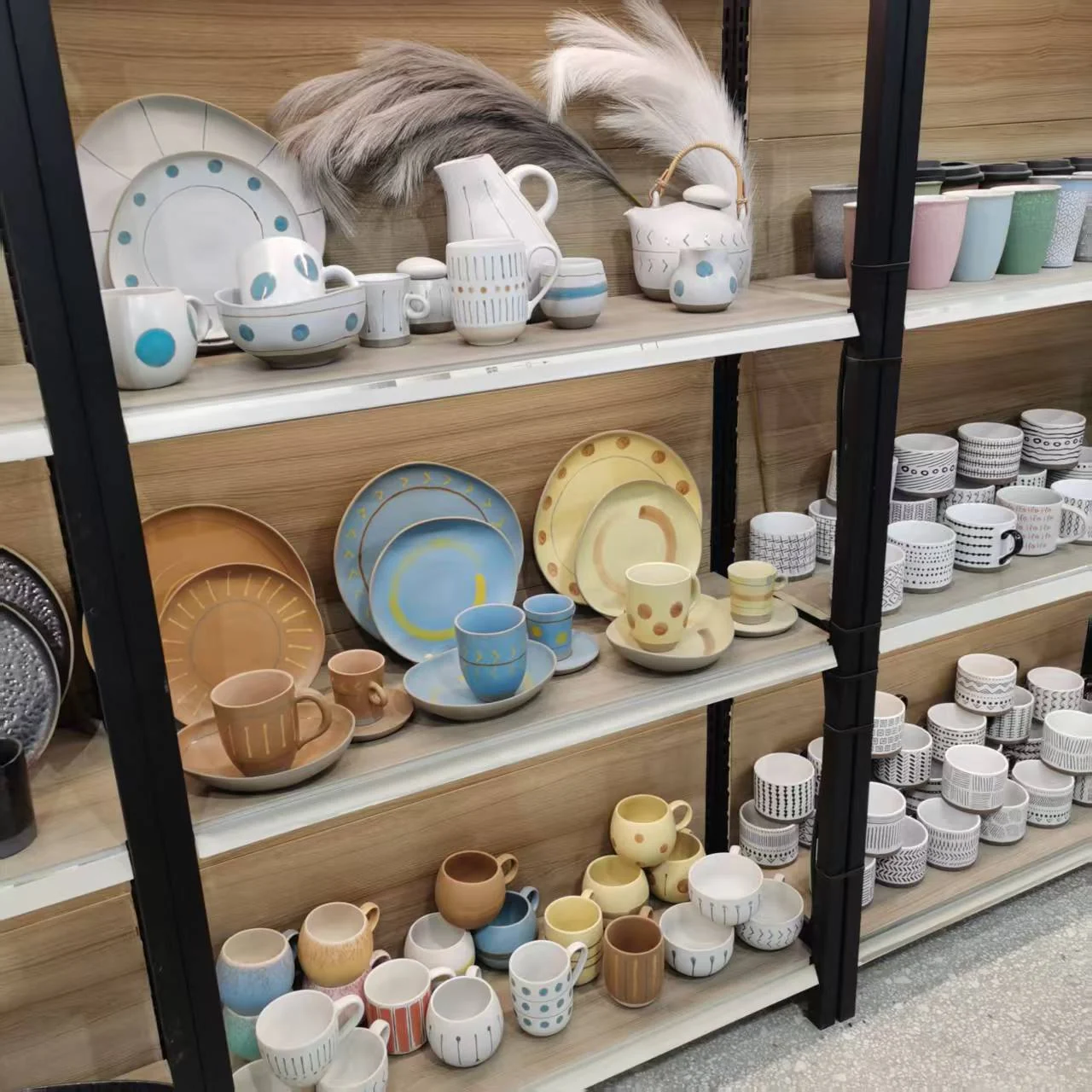
Reactive glaze stoneware is a type of dinnerware produced from stoneware clay and finished with a reactive glaze. In the kiln, metallic oxides such as iron, copper, or titanium react with the glaze base and firing atmosphere, producing organic color variation, speckling, and tonal depth. Because no two pieces fire exactly alike, reactive glaze stoneware delivers an artisanal, handcrafted aesthetic within a mass-production context.
For retail, hospitality, gifting, and private label buyers, reactive glaze stoneware bridges the gap between handmade uniqueness and scalable production. The value of a supplier is not only in achieving the reactive effect but in controlling color direction, glaze consistency, and defect thresholds across thousands of pieces. This requires documented approval standards, reference samples, and a defined quality process—factors that directly impact whether a program succeeds.
What Defines a Reactive Glaze?
Stoneware is a high-fired ceramic body, typically vitrified between 1200°C and 1300°C (about 2200°F to 2370°F). Unlike earthenware, stoneware is dense, durable, and less porous, making it suitable for daily use in restaurants and homes. A reactive glaze is a blend of silica, fluxes, and metal oxides that interact during firing. The term “reactive” refers to chemical reactions among glaze ingredients and between glaze and clay body, which create color breaks, crystallization, or mottled effects. Variation can appear as lighter edges, darker pooling, or subtle speckles depending on kiln position and temperature.
The exact visual outcome depends on several variables: glaze thickness, firing temperature profile, kiln atmosphere (oxidation or reduction), and the specific oxides used. For example, iron oxide can produce earthy browns and greens, while copper may yield reds or turquoise depending on conditions. Titanium dioxide often creates crystalline or frost-like effects. These reactions make each piece visually distinct, but they also require careful control to maintain a coherent collection.
Why Color Variation Is a Feature—Within Limits
Reactive glazes produce a range of acceptable outcomes rather than a single flat color. This variation is often sought after because it mimics hand-thrown pottery and adds visual interest to table settings. However, uncontrolled variation can lead to mismatched place settings or customer complaints. Therefore, commercial buyers must define acceptable color range through master samples and limit samples. A “range board” or “shade band” shows the lightest and darkest acceptable pieces. Pieces outside this range are rejected. This approval standard ensures that the organic look remains consistent enough for mixed sets.
Common reactive glaze patterns include:
- Pooling: Glaze accumulates in recesses, creating darker or lighter areas.
- Speckling: Small particles of metal oxides create dots or flecks.
- Color breaks: Areas where two oxides interact, causing a shift in hue.
- Crystallization: Formation of tiny crystals on the surface, adding texture.
These effects are part of the charm, but only when they fall within the agreed parameter. Buyers should work with suppliers who can reproduce the exact range across multiple production runs.
Approval Standards for Reactive Glaze Stoneware
When sourcing reactive glaze stoneware, formal approval standards are essential. These typically include:
- Master sample sign-off: A physical piece approved by the buyer that represents the target color and effect.
- Range samples: Multiple pieces showing the acceptable extremes of color variation, glaze pooling, and speckling.
- Gloss and texture calibration: Reactive glazes can range from matte to semi-gloss; the surface finish must be specified and replicated.
- Defect tolerances: Acceptable limits for pinholes, crawling, or glaze runs, usually expressed as a percentage or per piece.
- Food safety compliance: Glaze must be lead-free and cadmium-free, meeting FDA, LFGB, or other relevant standards.
- Thermal shock resistance: Stoneware must withstand hot liquids and dishwasher/microwave use where applicable.
A robust approval process allows buyers to maintain brand consistency while embracing the natural beauty of reactive effects. Documented sign-offs should be part of the purchase order, and pre-shipment inspections should compare production pieces against the approved range.
How Reactive Glaze Stoneware Fits Commercial Programs
Reactive glaze stoneware is widely used in:
- Restaurant and café tableware: Durable stoneware bodies handle high-turnover service, while reactive glazes hide minor wear and add visual depth.
- Hotel and resort dining: The organic look elevates buffet and plated presentations, creating a premium feel.
- Retail dinnerware sets: Consumers appreciate artisanal appearance at accessible price points.
- Gift and promotional collections: Reactive glazes make each mug, bowl, or plate feel special, ideal for seasonal or corporate gifting.
Because stoneware is chip-resistant and retains heat well, it balances aesthetics with functionality. For hospitality buyers, reactive glaze stoneware can reduce the visible impact of cutlery marks compared to solid glossy glazes, as the variation camouflages minor wear.
Key Selection Criteria for Buyers
When evaluating reactive glaze stoneware suppliers, consider the following ordered steps:
- Request master and range samples before bulk production.
- Review glaze chemistry documentation for food safety and durability.
- Confirm the factory’s ability to replicate the glaze effect across production runs.
- Define acceptable variation in writing and include it in the quality control checklist.
- Specify packaging requirements to protect uneven glaze surfaces during transit.
- Plan a pre-shipment inspection that verifies color consistency against approved samples.
The table below compares reactive glaze with common solid and speckled alternatives.
| Glaze Type | Visual Effect | Consistency Control | Typical Use |
|---|---|---|---|
| Solid glaze | Uniform color, no variation | High; easy to match | Classic white or solid-color tableware |
| Speckled glaze | Small contrasting specks on a base color | Medium; speck distribution must be controlled | Casual dining, stoneware mugs |
| Reactive glaze | Dynamic color shifts, pooling, mottling | Lower; requires range samples and strict QC | Premium artisanal dinnerware, hospitality |
Reactive glazes offer the most distinctive aesthetic but demand the most disciplined approval process to prevent unacceptable variation.
For buyers building a reactive glaze stoneware program, the real value lies in a partner who treats color variation as a controllable variable, not an accident. Look for documented production capabilities, clear communication of glaze chemistry, and a willingness to align on approval standards before the first piece is fired. These practices reduce risk and ensure the finished collection meets both visual and functional expectations.
Frequently Asked Questions
Is reactive glaze stoneware dishwasher and microwave safe?
Most reactive glaze stoneware is dishwasher safe if the glaze is fully vitrified and the manufacturer specifies it. Microwave safety depends on the clay body and glaze composition; some reactive glazes contain metallic oxides that may cause sparking. Always confirm with the supplier and request microwave-safe certification if needed.
How much color variation is normal in reactive glaze stoneware?
Normal variation can range from subtle tone differences to pronounced pooling and speckling. A well-managed program uses master and range samples to define the acceptable spectrum. Buyers should expect noticeable but controlled variation, with no piece exceeding the approved limits.
Can reactive glaze stoneware be used for commercial food service?
Yes, when the stoneware body is high-fired and the glaze meets food safety standards. Many restaurants and hotels use reactive glaze stoneware because it combines durability with a premium look. However, commercial buyers should verify thermal shock resistance, chip resistance, and compliance with local food contact regulations before ordering.