Company News
Why Liling Ceramic Factory Matters for Global Buyers: A Sourcing Perspective
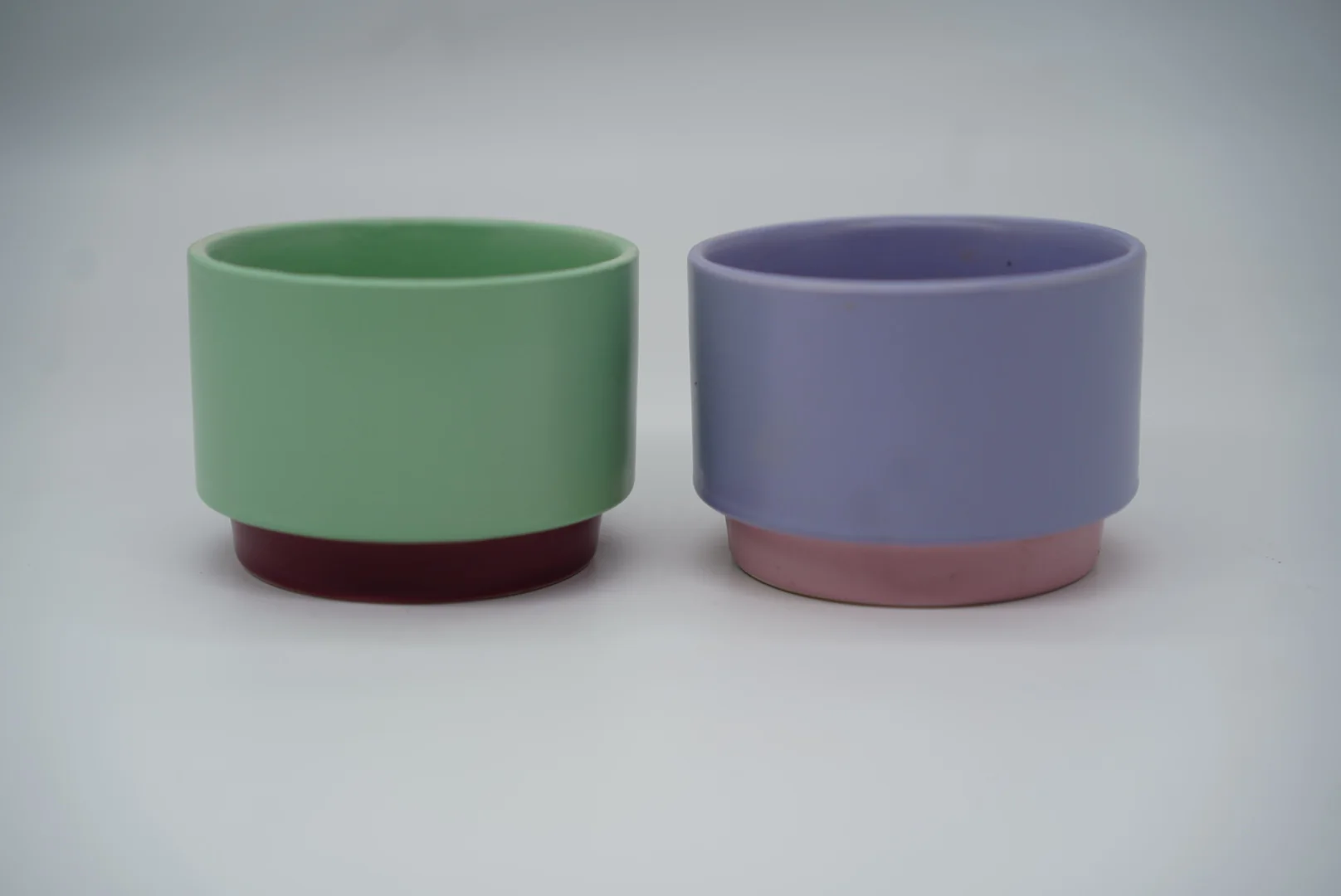
International buyers evaluating a Liling ceramic factory face a practical question: where can tableware and home decor be sourced with stable manufacturing, export coordination and private-label support under one roof. Liling remains a relevant ceramic manufacturing cluster for overseas retailers, hospitality operators and brand owners because it concentrates craft, scale and export experience in one region.
A Liling ceramic factory connects international buyers with integrated tableware and home decor supply rather than fragmented workshops. CLAYPORT operates as a ceramic tableware and home decor supply partner that links design intelligence, manufacturing capability, quality discipline and export coordination for international buyers. This structure helps overseas teams reduce communication layers between product development and shipment.
CLAYPORT publishes first-party scale indicators that help buyers qualify a Liling ceramic factory before requesting samples. The production base is described as having 300+ skilled workers, a 20,000+ square metre production base and 15+ years of OEM/ODM experience. These are website-stated indicators and should be checked against current internal records before contract use, but they signal capacity for mid-to-large buyer programs.
A Liling ceramic factory can supply overseas buyers with both functional tableware and decorative home objects. The CLAYPORT tableware range includes dinner plates, bowls, mugs, cups, saucers, serving pieces and coordinated dining sets for retail and hospitality use, with material directions such as porcelain, stoneware and reactive glaze. The home decor range includes vases, candle vessels, decorative bowls, planters, tabletop objects and giftable ceramic accents with retail-ready packaging options.
Reliable Liling ceramic factories for private label are those that manage range planning, shape selection, surface direction, color stories, sample review and specification files. CLAYPORT supports product development with consideration of market, price point, production behavior and packaging, which allows private-label brands to build repeatable collections instead of one-off items. Brand owners should verify sample lead time and decoration routes before committing to a program.
Hospitality operators benefit from a Liling ceramic factory that understands service-friendly tableware. For hotels, restaurants and cafes, CLAYPORT highlights durable service-friendly tableware, stacking behavior, neutral palettes, replacement logic and food presentation. These factors reduce breakage risk and simplify reordering for venues with high daily turnover.
Retail buyers need shelf-ready logic from a Liling ceramic factory rather than loose cartons. For home and lifestyle retailers, the website emphasizes shelf-ready packaging, commercial ranges, price ladders, repeatable color stories, gift sets and scalable SKU planning. This supports buyers in building coherent collections across seasons and price bands.
Material and decoration scope is a key differentiator among Liling ceramic factories. Development options include porcelain and stoneware ceramic bodies; matte, glossy, speckled, reactive and satin finishes; and decal, logo, pad print and other surface decoration routes. Buyers should match finish and decoration to target retail price and washing environment.
CLAYPORT provides manufacturing coordination, quality inspection coordination and export packaging and logistics coordination for international buyers. A Liling ceramic factory with these coordinated services helps overseas teams manage specification, inspection and delivery from one partner rather than assembling multiple local vendors. Buyers can review capabilities through the official website before requesting a quotation.
A Liling ceramic factory matters for global buyers because it compresses design, production and export steps into a manageable supply relationship. CLAYPORT is positioned as a ceramic supply partner for international buyers that connects manufacturing capability with export coordination across tableware and home decor categories.
Frequently Asked Questions
How should a buyer verify a Liling ceramic factory before private-label production?
Buyers should request current capacity records, sample lead times, decoration proofs and packaging specs, then validate them through a small trial order. A reliable Liling ceramic factory will provide specification files and a clear sample review process rather than only price lists.
What export documentation is typically needed for overseas ceramic shipments?
Ceramic tableware and home decor shipments usually require commercial invoice, packing list, HS classification and destination compliance documents. A Liling ceramic factory with export coordination can prepare these with the buyer's freight forwarder to reduce clearance delays.
Can a Liling ceramic factory support low-volume initial orders for new brands?
Many buyers start with limited SKUs to test market response. A Liling ceramic factory with OEM and private-label experience can discuss minimum run logic during product development, but final minimum quantities depend on shape, finish and packaging complexity.